Blog
Best Custom Belt Materials

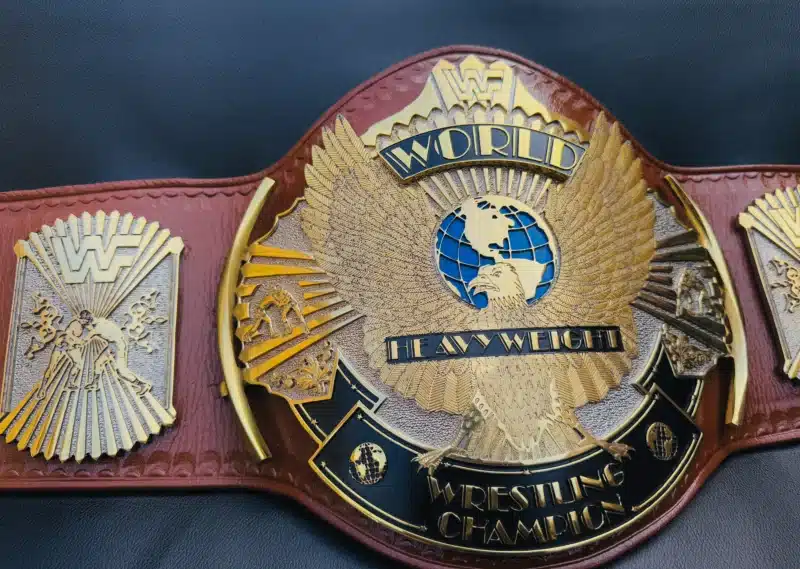
The material choice has a significant impact on the appearance, comfort, durability and overall value of a championship belt. Strong plates, a sturdy strap, and good finishing details are required in a well-designed belt. The various materials provide different attributes to the end result. For instance, leather imparts an old fashioned look and feel, while synthetic materials provide versatile design flexibility. It is important for organizers to be aware of these differences prior to ordering. By careful selection, they will be able to develop an award that will look impressive and facilitate long-term use.
Features Of Quality Materials
A custom belt’s appearance is maintained with regular handling and display using quality materials. The metal plates are secured with robust straps, and the finishes are robust to cope with regular use and protect decorative elements. When purchasing, inspect the thickness, surface, flex and construction of the material. They should also take into account the weight of the belt and its overall design. Careful selection of materials produces a professional look without excess weight. These details will help the organizer select an award that is appropriate for their event and budget.
Exploring The Best Custom Belt Materials
Traditional looking and naturally textured, genuine leather is still in use for the belt straps on championship belts. Has a high quality appearance and is ideal for wrestling awards, sports events, special occasions and ceremonies. Leather is also flexible and will acquire ‘character’ with use. When ordering though, buyers should make sure it has enough thickness, stitching and surface quality. To keep good leather looking good, the care it needs is extremely important. This option is great for those who want a classic and luxurious design.
Synthetic Leather Options
For those who prefer an alluring strap for budget-friendly prices, synthetic leather is an alternative option. It can be manufactured in a variety of colors, textures and finishes to correspond to various designs of belts. It is also flexible and customizable for themed awards and artwork. If you buy a synthetic, consider the material’s thickness, stitching and surface quality as there is a wide range of differences. The right synthetic strap can pull the whole thing together and make it look nice, while also assisting with the organization of production costs at tournaments and events.
Comparing Popular Strap Materials
There are pros and cons to leather and synthetic straps, so shoppers should make their decision based on their needs. Genuine leather will give the traditional feel and natural texture, while synthetic leather will be more colorful and tend to be cheaper. With appropriate construction methods decorative metal plates can be supported by both options. Before making your selection, take into account the intended use, likely use, and budget. Physical samples can also provide a clear idea of the differences in texture, flex, and overall appearance.
Selecting appropriate thickness of the strap
A belt’s thickness is determined by the thickness of its strap. A thicker strap will look sturdy, may be able to support heavier plates, and a thinner strap might be more flexible. But too thick and the belt becomes difficult to use and/ or to hang. When choosing a strap, buyers should take into account its size and weight, plus the weight of the metal plates. Inquire with the manufacturer about appropriate thickness and look at previous designs. A balanced selection will ensure good appearance and handling.
Selecting Quality Metal Plates
There are various metals used to produce championship belt plates, such as brass and zinc-based plates. Brass is a heavy material and lends to fine decorative work. Another choice for manufacturers is to use zinc alloy to make shaped plates that include several finishes. Different materials possess varying properties, price and manufacturing needs. The buyer should inquire on the plate thickness, weight, engraving options and surface treatment. This information allows them to evaluate the choices they have and choose which of the plates will best suit their designs.
Understanding Plate Finishes
The belt’s appearance and the art print on the surface is affected by metal finishes. Gold gives a traditional look and feel to the championship and silver is a clean and modern look. A vintage finish is given with antique finishes, while a polished surface provides a brighter effect. Finishes may be mixed, allowing the purchaser to emphasize particular parts of the design. Take a look at the event logo, the color of the event strap and the overall theme before deciding. A coordinated finish will make the belt look more professional and more attractive.
Exploring Decorative Belt Details
Enamel colors can give championship belt plates personality and appearance. Red, blue, black, green and other colors can be used to emphasize logos, lettering and decorative patterns for manufacturers. The colors chosen should be suitable for the event’s theme and not distract from the design. Contrasting colors can be used to highlight key points for the viewer. They should also make sure to check color samples before approving production. A well-designed color scheme will make a stand-out award that will draw attention in ceremonies and photos.
Selecting Engraving And Lettering
Engraving conveys important details and personal touches to a championship belt. It allows users to add event names, win names, competition dates, team logos and special messages. Good lettering makes it easy to read key information. Use a suitable font style to match the design and space to accommodate each word. When designing a small plate, don’t overfill it with information, as too much text can make it hard to read. A professional finish and memorable award will come from careful engraving.
Organizing Materials By Events
Belts are essential to sports competitions, where they can convey strength, achievement, and team spirit. Real leather straps and attractive metal plates can provide a classic championship look. Synthetic straps can be used by the organizer if more than one or multiple awards are required within a specific budget. It can be completed with team colors, sports symbols and event logos. Before choosing materials, take into account the winning’s handling and display requirements. The correct match is used to make the award look like the competition and to provide the winners with a memorable prize.
Available materials include the following:
Custom championship belts can also be used for corporate parties, school events, charity events, and even community events. Lightweight designs, colorful artwork and customizations may be suitable for these events. Awards straps can be made of synthetic materials for easy color options, or metal plates for a unique look. The materials should be chosen to fit the audience and budget of the event. With a thoughtful design, a simple recognition prize can become a memorable keepsake that celebrates participation, achievement, and community.
Maintaining Custom Belt Quality
A belt will look better and last longer if it is properly cared for. Use appropriate leather care products to clean leather straps and do not over moisten or use strong chemicals. Use soft cloth and gentle cleaning process for synthetic straps, following manufacturer’s recommendations. Focus on stitching, edges and places around the plates. Keep belt in a clean, dry location after use. It is important to care for the strap regularly so it doesn’t suffer any unnecessary damage and maintains a good appearance.
Protecting Metal Plates
The handling of metal plates is important to keep their decoration and finish. For surface dust and fingerprints, use a soft microfiber cloth. Never use rough materials that could scratch or damage smooth surfaces and/or decorative finishes. Ensure the belt is kept from excess moisture and ensure it is kept in a secure manner when not in use. It is also important to note that the manufacturer’s cleaning directions should be followed when purchasing metals with certain finishes. Simple care practices help to keep the plate shiny and maintain the full award.
Planning Your Material Selection
The kind of material used can have an impact on the overall expense of a personalized championship belt. The price of the leather is also influenced by the use of genuine leather, plate metals, decorative finishes, engraving, and custom artwork. It is important for buyers to determine what features are most important prior to requesting quotations. Check against various manufacturers and inquire about the inclusions of each one. Think production quality not just price. This clarity in budget enables buyers to choose materials that fit their requirements while maintaining vital design elements and quality of construction.
Reviewing Manufacturer Samples
Before ordering, see some of the manufacturer’s past projects and material samples offered. Inspect and compare the texture of the straps, stitching, plate thickness, engraving and metal finishes. Request a digital design preview including your chosen materials and the entire belt. Check all colors, names, logos, and decorations before releasing for manufacturing. Communication avoids errors and lets manufacturers know what to expect. A careful review will give buyers increased confidence in their material selection.
Final Thoughts On Belt Materials
The type of belt that needs to be crafted will rely on the design, function, price range and use of this award. Real leather imparts a traditional look, and synthetic straps are affordable and versatile. Metal plates, enamel colors and engraving further contribute in adding character to the finished design. Before ordering, compare samples and discuss the quality of construction with manufacturer. A careful selection of materials produces a pleasant championship belt to commemorate achievement and stay with you for years.