Blog
Fantasy Football Belt Rules


Fantasy football is a way to unite friends, families and coworkers in a friendly competition. Players choose who to play with, plan the team and play all season long. Clear rules make it easy to understand the competition and helps to prevent an unnecessary argument. The organizers need to make sure they define the scoring rules, the deadlines for the deadline, the playoff structure, and the requirements to be met in order to qualify for the championship before the season starts. The guidelines provide a level playing field and enable participants to have a good time. A league that is well-organized also makes the prize of the championship award more substantial since all managers know how to get there.
Purpose Of Championship Belts
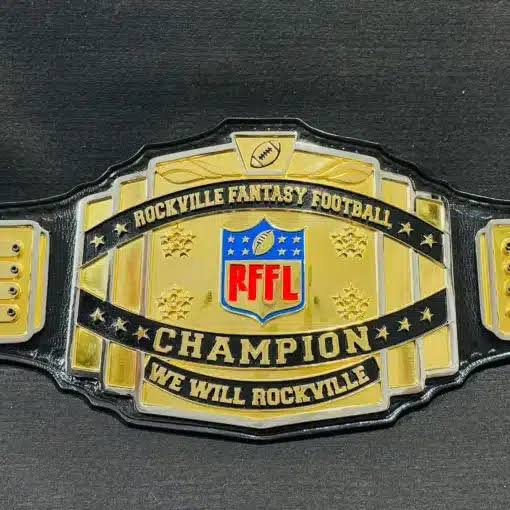
A championship belt is a unique addition to fantasy football leagues that allows them to honor their champions. Rather than using just a trophy or a certificate, organizations can add a belt to denote the highest achievement in the league. Runners run all season to earn this special award. The belt can also foster friendly competition and motivate the returning managers to do better. Clear ownership rules ensure that everyone knows who to pass the belt to, how long they will hold the belt and when they will need to hand it on to the next champion.
Defining Basic Belt Guidelines
All leagues should have clear rules in place prior to competition. Organizers must describe who is eligible for the championship, the criteria for determining the winner of the championship, and the time of the award ceremony. They should also specify if the champion retains the belt or if it is retained until the next season. The written guidelines avoid confusion and provide all participants with the same information. Keep rules short, simple and easy to understand. This will play a role to ensure consistency across the league.
A situation where everyone is competing fairly
In order to have fair competition, all participants must adhere to the same standards. Roster restrictions, scoring options, player transfers, trades and deadlines, and requirements for lineups should be explained to organizers. They should also explain what happens when deadlines are missed, when managers choose not to play and when there are arguments over the scores. They can help keep the competition credible and avoid conflicts amongst participants when they make consistent decisions. Do not make significant changes to important rules during the season unless all managers agree. Standards help everybody get on the same page to establish good teams and strive for the championship.
Determining The Belt Winner
League standings makes it easy to measure each manager’s performance during the regular season. Prior to the start of competition, organizers shall explain the points system, win-loss records and tiebreakers. Total points scored is one way that some leagues use to break ties; others may look at head-to-head or other performance metrics. This information should be available to participants prior to the playoffs. Standings are important to ensure that everyone can keep track of the competition and which teams will advance to the championship round.
Managing Championship Playoffs
The playoffs decide who will win the title of the league. The playoff schedule, qualifications, matchups and scoring rules should be announced ahead of time. Discuss what happens if a game gets tied, if it is postponed, and what to do in case of an unexpected absence. There must also be sufficient time for the participants to line up and study the upcoming matches. Consistent playoff structure will excite and ensure fairness. After the last fight, the league is able to use its official scoring system to declare the champion and can begin to set up the belt presentation.
Managing Belt Ownership
It is important that the organizers explain the belt ownership system prior to the first championship season. Some leagues award the belt to the winner for life and others employ a single traveling championship belt that rotates amongst the annual winners. A traveling belt is an ongoing tradition since each new champion is recognized by the champion who came before them. Permanent awards are a keepsake to each season. Select one option that fits the budget and preferences of the league; then clearly communicate this to all participants.
Setting Return Deadlines
There must be clear return guidelines for a traveling championship belt. Current winner should know how and when to pass on the trophy to the next winner. Organizers may designate a date prior to the start of the new season or make arrangements for a handover at the first league meeting. Discuss responsibilities for delivery costs and the precautions to take when transporting the belt. A straightforward contract avoids any delays and ensures that there is an award to celebrate in the future. These details assist the league in keeping its tradition without needless quarrels.
Allowing Friendly Challenges
Certain leagues provide for pleasant challenges, whereby the participant can compete for a temporary belt recognition. Organizers may consider including weekly matches, special events, or targeted rivalries to add extra thrills to the competition. They should, however, clarify whether these challenges are for the official championship or just for fun. This is the case if there are clear limits, as this can cause confusion between weekly achievement and season title. A challenge system should be used to encourage participation rather than to be the primary scoring system for the league. Maintain all challenges: fair, simple and consistent with the groups’ preferences.
Defining Challenge Conditions
Challenge conditions provide participants with an awareness of how they might compete for temporary recognition. Organizers must define who can participate as a manager, match up times, scoring conditions, and challenge amount. They can also determine if the existing belt holder should take every challenge that’s eligible or have a predetermined program. Do not have a rule that one participant has an advantage. Set the rules in advance and stick to them. A clear challenge system generates some excitement and helps preserve the balance of the league.
Arbitration and Disciplinary Actions
When two teams end up in a disagreement over scoring, it can be tense, particularly during significant match-ups in the playoffs. Organizers should select the official fantasy site and present what that scoring method is and how it influences the results. The participants should report any errors they may have within a clear time limit. The commissioner will be able to review the platform records and will have the ability to use the published league settings to make the decision. Don’t make personal judgements or arguments based on friendships. Even in a close race, a consistent process will ensure that participants will trust the process and be willing to accept the final outcome.
Applying Consistent Penalties
League penalties must not cause conflict where it is not warranted by violation of a rule. Consequences for failing to meet lineup deadlines, changing rosters without authorization, or failing to adhere to agreed guidelines repeatedly may be set by the organizer. Communicate all penalties and enforce them equally at the start of the season. Do not add in new punishments when a disagreement has arisen. The commissioner should make a note of key decisions and the rationale for them. Enforcement is consistent and promotes responsible participation and maintains the overall reputation of the league.
Maintaining The Championship Belt
When the champion keeps it in good condition, a championship belt can be used by the league for many seasons. Participants should refrain from bending the strap, scratching metal plates, or letting decorative surfaces come into contact with water. Keep the award in an appropriate protective case or clean surface. Organizers may also hand out some basic care instructions at the handover event. Periodic maintenance keeps the belt both looking good and eliminates unneeded repairs. All owners should honor the award as future winners will be able to enjoy it as well.
Recording Belt History
A championship history is a way to remind the league of all the winners and significant seasons. Organizers can document the names of the champions, fantasy team titles, winning years, and remarkable accomplishments. They can keep photographs of the awards and important playoff games also. A digital record facilitates sharing this information with subsequent participants. Several leagues display the nameplates of former champions on a moving band. Giving the trophy added significance and makes the trophy more relevant to the history of the league.
Building Exciting League Traditions
An award ceremony is a great way for participants to celebrate the season together. The organizers may announce a winner, share some of the highlights of the match and award the belt in a final ceremony. Award Manager rounds to congratulate the winner and to take group pictures. Use a short speech or friendly introduction to make the event more entertaining. It does not require elaborate decorations or arrangements for the ceremony. A humble and well organized party can help to reinforce friendships and motivate all to come back for the next season.
You need to update your rules every season
League organizing teams need to check their rules at the end of each season. Question participants about their rules and about what caused confusion. They can discuss these things before they improve: scoring settings, challenging conditions, ownership arrangements, and award presentations. Provide a chance for each manager to provide feedback. The changes approved by the commissioner should be communicated prior to the next competition. Frequent reviews contribute to the expansion of the league and fairness. There is also a clear annual process that ensures that the championship belt tradition remains fun for everyone – returners and newbies alike.
Final Thoughts On Belt Rules
Belt rules in fantasy football help make leagues fair, honor the winners, and ensure that winning traditions and awards are preserved. Develop and communicate clear ownership rules, understand the championship requirements and set up a consistent process for challenges and disagreements. Keep a record of winners and read the rules before each season. If the participants know their duty, they can concentrate on competition and enjoy the activity. With a well-designed set of guidelines, a championship belt becomes a permanent reminder of achievement, friendly competition, and league history.