Blog
How Championship Belts Are Made

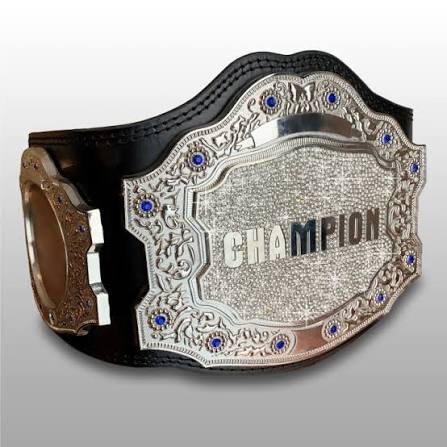
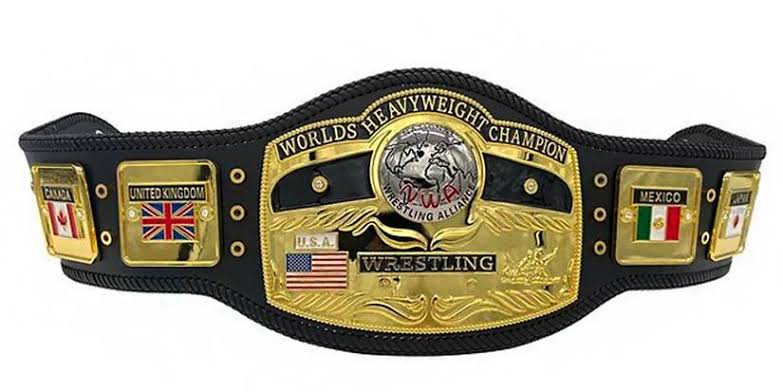
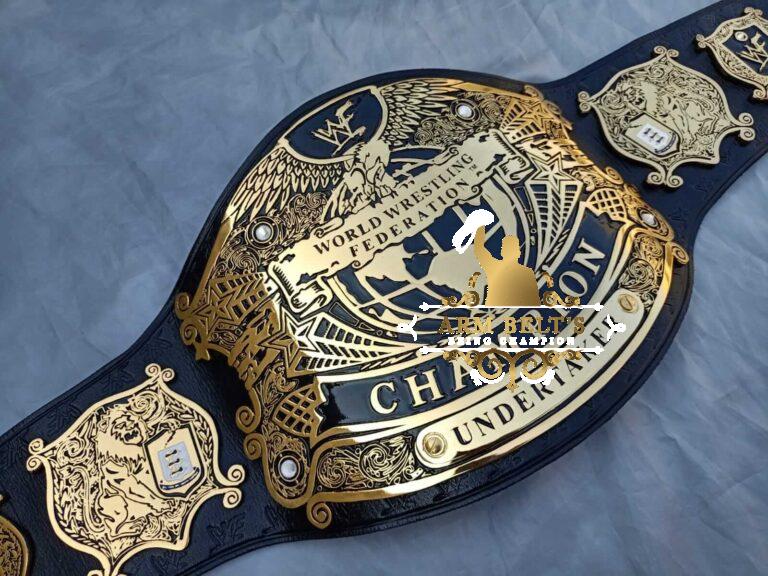
All championship belts start with an idea. Designers think about organization, championship name, brand and target market. They talk about key elements like the belt’s shape, the layout of the plates, the colors, and the decorative elements. Some wrestling promotions may want a more classic style with a gold theme, and others may opt for a more contemporary design with bold graphics. Such premature decisions provide a firm direction for the manufacturing team and allow them to create the belt as a symbol of the championship.
Prepare Detailed Artwork
Once the concept is decided, designers draw digital artwork to represent the belt’s design. They assemble the center plate, side plates, logos, lettering, borders and decorative patterns. They use digital design software to tweak proportions, compare colors and so on before production. Manufacturers also have a handy reference to follow along the way while making the artwork. The design process can be carried out with a degree of care to avoid design errors and ensure the final belt is what the organization expects.
Select Suitable Materials
The characteristic shape and ornamentation of a championship belt are provided by metal plates. Brass, zinc alloy or other appropriate material is used by the manufacturers based on design, budget and desired finishing. The quality of the materials is different in terms of weight, strength and detailing. Brass is good for fine metalwork, while zinc alloy may be used for decorative articles and copy designs. Materials for the belt are determined by the manufacturer’s choice to meet the belt’s function and offer an appropriate combination of look and toughness.
Pick Quality Strap Materials
The strap is attached to the metal plates and enables the winner to wear the belt without any discomfort. Genuine leather, synthetic leather or other flexible materials are often used for this component. Genuine leather products will give them a traditional look and a lot of character with use, while synthetics may provide a different color or price. Thickness, flexibility, texture and durability are also factors taken into account by the team. These decisions affect the comfort, shape and quality of the belt when used normally.
Shape The Metal Plates
After the manufacturer decides on a metal, the production team creates each plate based on the design approved. The central plate and smaller side plates are formed by stamping or special cutting machines. Workers are careful to adhere to the artwork in order to ensure accurate dimensions and edges. Some designs have rounded edges, others have sharp edges or odd shapes. When cutting accurately, each plate will fit into the overall design and provide a solid basis for the subsequent detail work.
Add Engraved Design Details
The patterns, lettering and decorative additions to championship plates are achieved through the process of engraving. Laser engraving, CNC machines or traditional tools can be used to engrave detailed artwork onto a metal surface. They add names of the championships, logos of the organization, decorative borders, and other elements. Raised areas are also used in some designs to add texture and depth. By using precise engraving, the small details are brought to light and create a professional look that is applicable to the original design concept of the belt.
Apply Decorative Finishes
Championship plates are colored and shined to perfection with metal finishing. Manufacturers might apply a gold, silver, nickel or other surface to achieve the look they want. Some belts have one level of metal finish, others may have multiple finishes to create contrast. The production team chooses the finish that’s suitable for the logo and engraved details. A properly prepped surface will result in a consistent look from plate to plate, and make the overall presentation of the championship belt much better looking.
Add Stones And Colors
Some Championship belts have colored stones, enamel details or decorative components that make it look more appealing. These additions are carefully placed based on the art and fastened appropriately. Contrast with red, blue, green and clear stones around logos or borders. Enamel also allows the manufacturers to incorporate certain brand colors for the design. These details need to be spaced properly and aligned correctly so as to not create an imbalance in the appearance of the belt.
Build The Leather Strap
The strap is an essential part of the belt in determining its size and shape. The selected material is measured and cut by workers to the approved design. These form a concave shape around the waist, giving sufficient room for the metal plates. There are some straps with smooth surfaces and some with textured patterns or decorative edges. The balanced appearance and a proper seating of the plates are achieved through accurate cutting.
Add Stitching And Fasteners
Cutting the strap, workers then apply stitching, lining and fastening parts. Quality stitching ensures good performance in terms of holding material together and enabling normal handling. The strap can be attached to the plates by snaps, screws, or other acceptable means. They also manufacture adjustment holes or fixing parts in accordance with the design of the belt. The strap is easy to put together and adjust to fit properly.
Assemble The Complete Belt
The assembly stage is the final stage of metalwork and strapping. Center plate and side plates are installed in the same manner as the original artwork, using appropriate screws, rivets, or other means of attachment. They make sure to ensure the alignment and spacing for even design. The center plate is typically the most prominent, making it important in positioning it. When someone lifts, wears or displays the championship belt, secure attachment is also a factor to prevent unwanted movement.
Check Overall Appearance
After attaching the plates, the production team examines the complete belt from different angles. They check for irregular spacing, loose connections, scratches and finishing quality issues. The workers also test the flexibility of the strap and the overall shape of the belt. They notice if they have an issue, they fix it before going any further. This inspection is used by the manufacturer to assure consistency of quality and to provide assurance that the finished product is consistent with the approved design.
Complete Final Quality Checks
A finished belt should be both functional and aesthetically pleasing. Quality teams inspect the fastening system, plate connections, flexibility of straps and overall construction. They can try out the belt’s adjustability and check for handling hot spots. Weight also is a concern as a very heavy design could feel uncomfortable after prolonged wear. Such testing assists manufacturers in finding weaker components and making them stronger before they put the product into the hands of their customers.
Prepare Belts For Delivery
Workers do the plates after passing quality control, remove fingerprints and pre-prepare the belt for the packaging process. It is important to wrap it to prevent scratching when it is being stored and transported. Depending on the size and value of the finished product, the manufacturer can put it into a suitable box or a display case. They might also contain care directions or information about the product. The care taken in packaging ensures the belt arrives at its destination in good condition and helps create a good impression with the customer.
Final Thoughts On Belt Manufacture
Once you get an idea of how championship belts are created, you will have a better understanding of the workmanship involved in these amazing awards. Every component is designed by the artists, casted and perfected by the metal plate manufacturers and prepared by the skilled workers in the strap before being assembled. The final product is then quality checked for look, feel and durability. Every stage adds to the identity and worth of the belt. Careful planning and attention to detail can be the difference between a successful and unsuccessful professional wrestling title, or between a fan-made and a real wrestling title.