Blog
Championship Belt Manufacturing Process


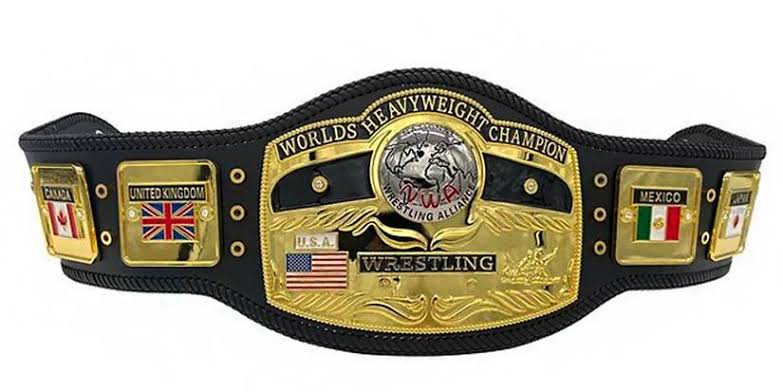
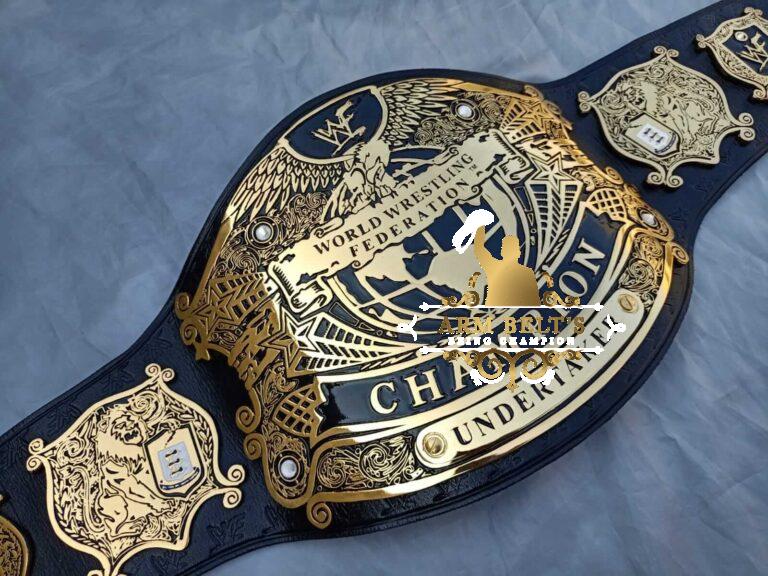
The making of championship belts requires design expertise, selection of materials, metal working and meticulous assembly. There are a number of steps manufacturers go through to create an award from an initial idea. They start by clarifying the Client’s needs and then creating the design of the plate shapes, artwork, color and strap size. The different stages help make the belt look, feel and perform well. The skilled workers orchestrate these tasks to produce a delicate product that is representative of the championship, brand, event or the designer’s own design.
Why Production Quality Matters
This is because the look, feel and performance of a championship belt is affected by the production quality. Everything from good materials to precise measurements, to clean engraving and secure assembly, has a part to play in the end result. The poor workmanship may result in an uneven plate or rough edges, loose attachments or weak stitching. Small details should be taken care by manufacturers during the manufacturing process, not only the appearance. Buyers need to be aware of these factors, as they can guide them to comparing products and finding the belts that have a more superior construction and value.
Design The First Design
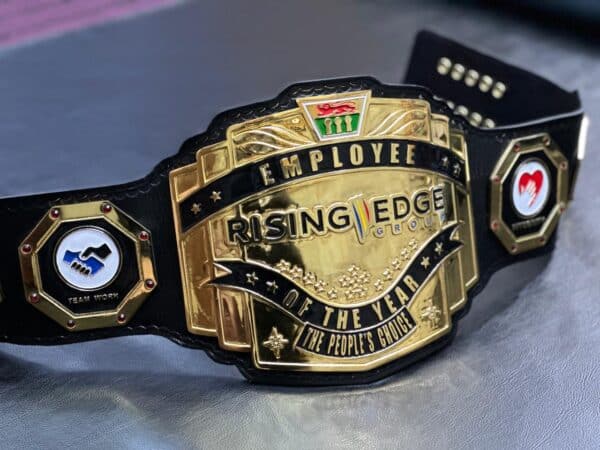
Each successful belt start with a clear understanding of the client’s concepts. Manufacturers talk about the function, desired style, budget, size, color, and customization needs of the belt. A wrestler’s wrestling promotion can request an authentic-style ring design, or a company can use their company logos and skilled artwork. Customers can also share reference images to explain their vision. Clear communication facilitates the design team to make appropriate decisions and minimizes confusion before the manufacturing process starts.
Create Digital Design Artworks
Designers discuss the requirements then develop art that illustrates the overall belt layout. They position the center plate, side plates, lettering, logos, borders and decorative features. Digital software is used to test various colors, shapes and positions for designers before production. Users have the option to view the preview and ask for changes to significant information. This stage provides everyone with a visual direction and will prevent the manufacturer from unnecessary metal work changes once metal has been started.
Determine Appropriate Belt Materials
The structure and visual impact of championship belts comes from metal plates. The material used for manufacturing can be zinc alloy, brass, steel or other materials that are suitable for the design and budget. Every option has varying weight, strength, appearance and finishing options. Some customers prefer to go with the heavier plates for a classic championship look, while others opt for the lighter plates for easier handling. The purpose of the belt should be the starting point for manufacturers when choosing materials and the options should be made clear to the buyer.
Use High-Strength Straps
The strap is to hold the plates together and provide wearability to the belt. Leather and synthetic are popular options among manufacturers when it comes to design and price. There are choices ranging from leather for a classic look to synthetic for other variations in texture, colour and cost. The maker should also take into account flexibility, thickness, and stitching as well as the overall length. The belt is appropriately supported by a suitable strap, which may also be used to make it comfortable to wear around the waist or to keep the belt in the correct shape when it is displayed.
Prepare Plates And Shapes
Upon the manufacturer’s choice of a particular metal, the workers produce plate shapes based on the approved artwork. Cutting Equipment is used to form center plate and smaller side plates with precise outlines. The team carefully measures the dimensions, ensuring that each component fits the design. The workers then finish off the rough edges and the surfaces are prepared for engraving or other decoration. Proper cutting ensures proper preparation for subsequent steps and uniformity in the appearance of all plates.
Smooth And Polish Surfaces
Polishing enhances the look of a metal plate and helps to prepare it for decorative finishing. The workers employ appropriate tools to smooth surfaces, round edges and eliminate unwanted marks on the metal. Depending on the design, different polishing methods can be used to achieve the desired effect – bright, brushed or textured finishes. When preparing the surface for later decoration, it is also important to take care with the surface. Before proceeding, manufacturers should check each plate as it can be noticed that some plates may be scratched or uneven, which may impact the final presentation.
Add Engraving And Decoration
Championship belts become convinced of their identity by the names, symbols, titles and detailed artwork of engraving. Laser engraving, conventional engraving tools or other appropriate means can be used. Championship logos are frequently shown on the center plate, and side plates might feature other symbols or text. Precise positioning ensures that all details are clearly and evenly arranged. In order to avoid unnecessary errors, it is crucial for the worker to review the spelling, logo quality, and artwork placement with the approved design before engraving.
Add Colors And Stones
Championship plates are enhanced with colour and decoration which add depth and personality. Enamel, coloured finishes, polished areas or decorative stones can be used to give prominence to individual elements of the artwork to the manufacturer’s taste. The traditional color of gold, silver, black, red and blue can produce familiar championship looks, but a custom mix can provide a distinctive look to each individual belt. The workers need to use these details carefully to ensure that boundaries and patterns remain clean. The balanced decoration is very beneficial for making the belt look impressive without feeling crowded.
Create The Belt Strap
The first step in strap production is that of measuring and preparing materials. The chosen leather or synthetic material is cut to the desired length and form of the belt. They can also include curves and adjustment holes to ensure a comfortable fit. The strap should be sufficiently wide to allow for the plates and be supple enough to wrap around the waist. Careful cutting will minimize waste and provide the manufacturer with a clean base to stitch, line and attach the plate to.
Stitch And Finish Edges
Stitching is for reinforcing the strap and provides a much-needed visual detail. Use appropriate thread and stitching to join various layers or to attach decorative borders. They also round corners and finish materials as per the material. Even stitching creates a straighter and stiffer strap for everyday use. It is important before installing the metal plates that manufacturers check the seams for loose threads, irregular spacing and weak points.
Assemble The Complete Belt
The assembly is used to join the metal plates and strap to form the whole championship belt. Center plate is installed first followed by side plates in approved sequence. They attach each plate to the strap using appropriate attachment techniques. Ensuring the belt is correctly aligned will allow it to look well balanced from all angles. Additionally, the assembly team reviews the space between plates and ensures that there are no sharp edges or fallout parts that could impact the product.
Include Final Design Details
Manufacturers will then add any additional design features after the main assembly. These can be special borders, engraving, special message, colored accents, or additional decorations. Workers ensure that all the details are in line with the customer’s approved artwork. They will also check the overall finish and the system to adjust the strap. This stage is used to provide the belt with its final character and to fix small visual problems before the product passes into the quality inspection stage.
Check The Finished Belt
Quality inspection allows manufacturers to discover issue before delivering a belt to the customer. The metal plates, surface finishes, engraving, strap material, stitching and plate attachments are checked. They inspect for loose decorations, rough edges, even colour and scratches. They can also compare the measurements and weight of the belt to the product specifications. Careful examinations help preserve the manufacturer’s reputation, and will make the customers more confident of the construction and the appearance of the product.
Test Fit And Appearance
It is also important for manufacturers to look at the full look and handling of the belt. They are able to test for strap flexibility, adjustment, plate alignment, and the overall balance. Fit and comfort are important factors for wearable designs in addition to appearance. For belts that are display, secure construction and shape that allows for attractive presentation is necessary. The team should also check the final product for discrepancies with the approved digital design before packaging, looking for any obvious differences. The last checks are to ensure consistency of result.
Final Thoughts On Belt Production
Manufacturing of the championship belt requires several sequential steps, starting with the artwork planning, selection of materials, shaping plates, decorating surfaces, preparing straps and finally the assembly. Attention to detail and appropriate production techniques must be observed at each stage. With the focus on construction and quality checking, it is possible for the manufacturers to make attractive belts as per the expectation of customers. Careful production can make a design idea a valuable award, whether it’s a commemorative for a wrestling champion or a company achievement or a special event.