Blog
Wrestling Belt Buying Guide

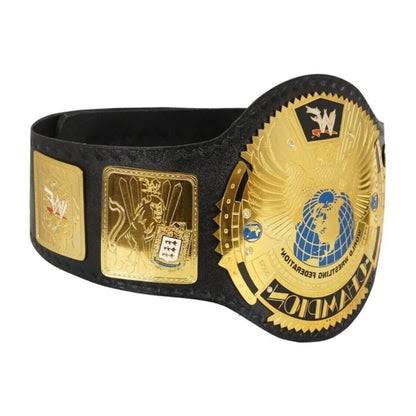
When shopping for a wrestling championship belt, there’s much more to it than just picking a pretty pattern. Before you invest money, you should think about its function, building, materials, dimensions, and general quality. Event organizers want awards that last and are appropriate for their competitions and collectors may prefer detailed artwork and display qualities. By making a careful decision, you can steer clear of disappointing products and avoid unnecessary expenses. Begin by determining who the wearers will be and how often they will wear and display the belt. It helps to make subsequent purchases a breeze.
Identifying Your Primary Objective
The entire purchasing process should be driven by your main purpose. The tournament organizer may want a rugged belt for multiple presentations, and the wrestling fan might want a belt to display on a shelf. Custom artwork that symbolizes their brand and championship divisions is frequently needed for promotions. If you want to personalize your club, but need a design that is easy to add elements to, and not going to cost you a fortune, then you may well choose to go with a simple design that can be done at school or local club. When comparing products consider the intended use, the recipient and the available storage space. You can pick functional features rather than decoration that you don’t need when you have a clear purpose.
Exploring Wrestling Belt Buying Guide
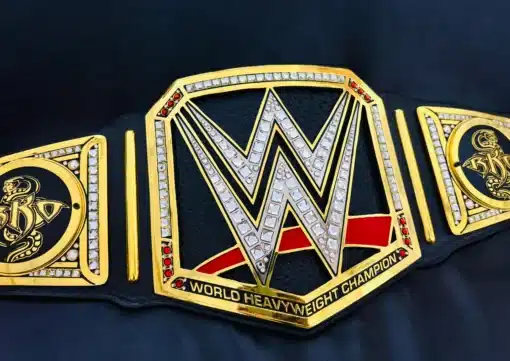
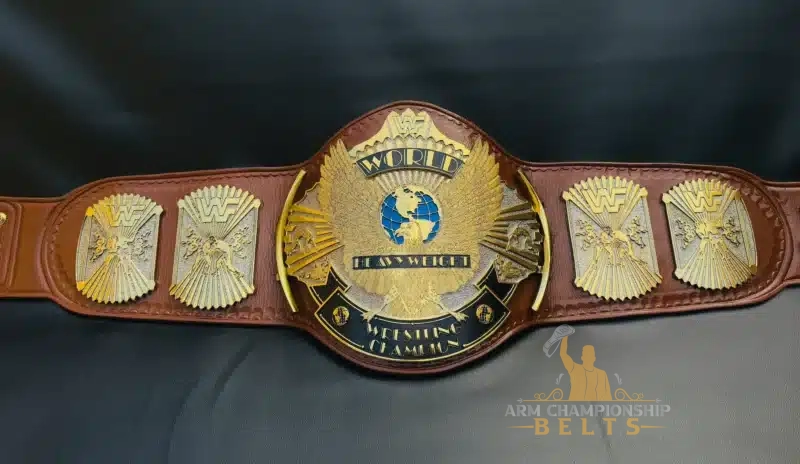
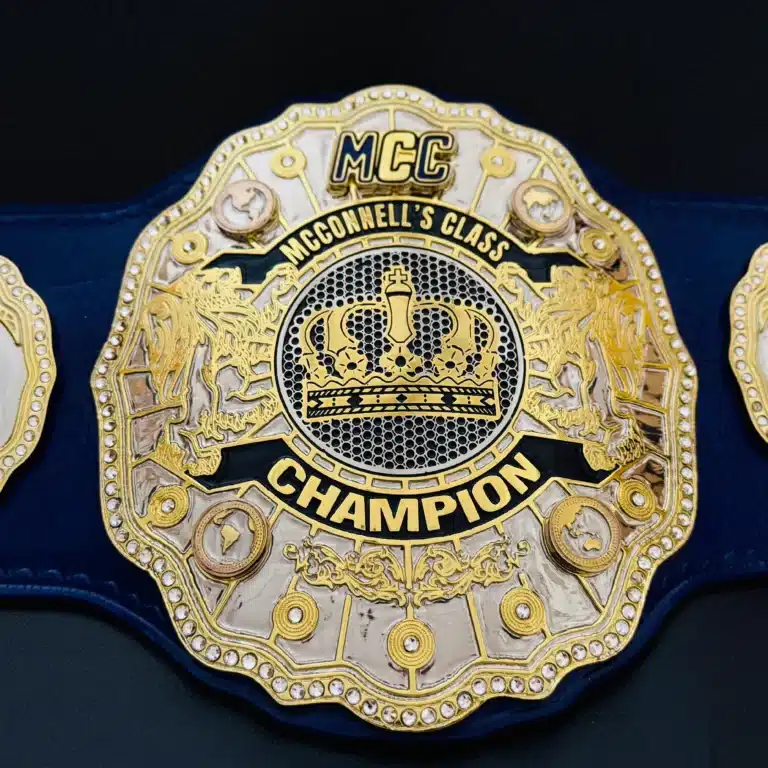
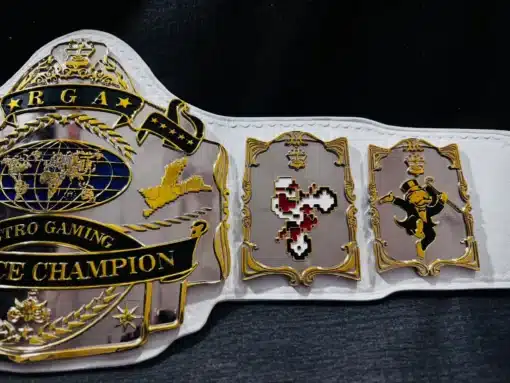
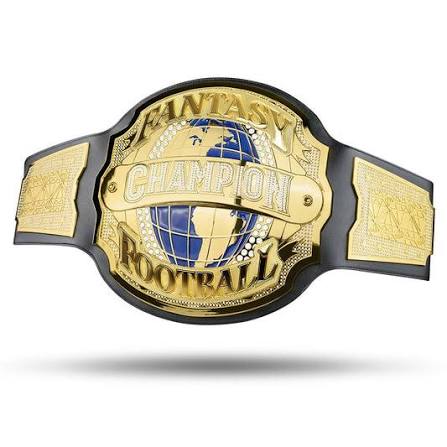
There are traditional, modern, replica and custom styles of wrestling belts. Old-fashioned designs are often characterized by big gold plates, large lettering and black straps. Contemporary designs can feature vibrant paintings, odd plates and decorative elements. Replica belts are popular among fans who have a fondness for the distinctive wrestling championship designs. Custom belts enable companies to produce unique belts that have their names and logos. Make some comparisons before you select one; think about which style would be the best fit for your project, your tastes and your wallet.
Choosing Suitable Belt Sizes
Belt size can make it look, feel and look better. Championship belts are large belts which have a good impact, particularly in the presentation and picture. Smaller designs might be appropriate for younger participants, casual events or those with limited display areas. Please make sure to confirm the total length, width of the strap, size of the plate and how the strap may be adjusted before ordering. When choosing a belt for personal use, take into account the size of the waist and comfort. Never take a product photograph as a definitive measure of sizes—always check the supplier’s information.
Checking Belt Materials And Quality
The durability and presentation of a belt is affected by its strap. Real leather gives a classic look, while synthetic leather is a more budget-friendly choice for those who prefer a more affordable option. There are also lightweight materials in some products to make them easier to display and handle. Measure thickness, flexibility, stitching, texture and edge finishing before selecting. The strap needs to be able to hold the metal plates in place but not too tight. Inquire with the vendor about cleaning before purchase, to know how to maintain the material.
Exploring Metal Plate Construction
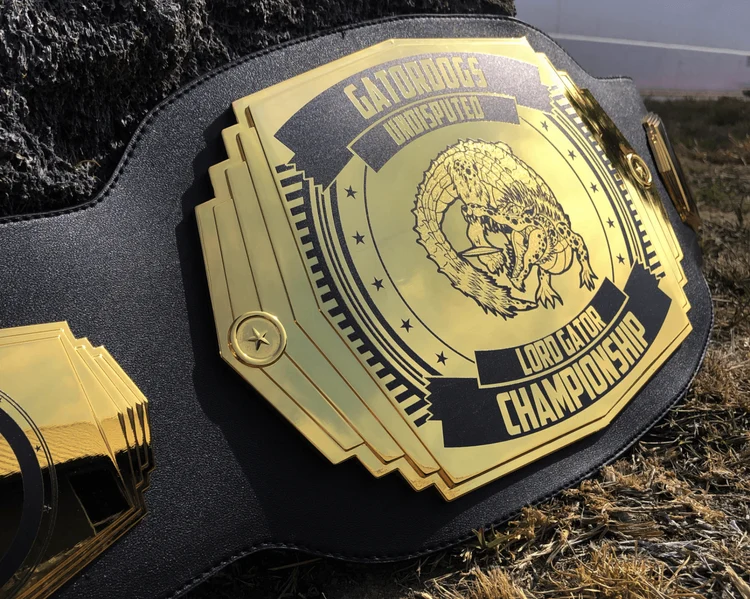
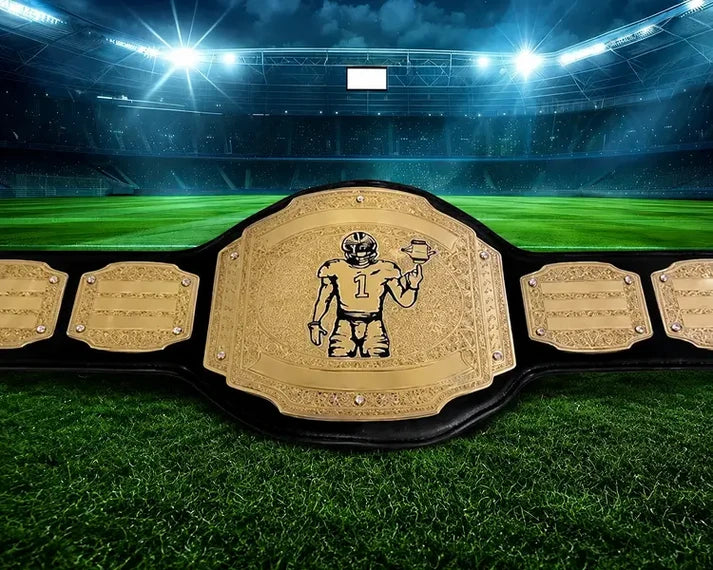
Championship belts are scored with metal plates, which add to the look of the belt. They can different in thickness, weight, engraving and surface finish which can affect their appearance and longevity. There are different styles for gold, silver and polished finishes, and selecting the one to match the preferred design. The use of raised lettering and decorative borders can create a sense of depth in the art. Look closely at close-ups of photographs. If you are unsure about the material and build on the plate, ask the vendor.
Reviewing Customization Options
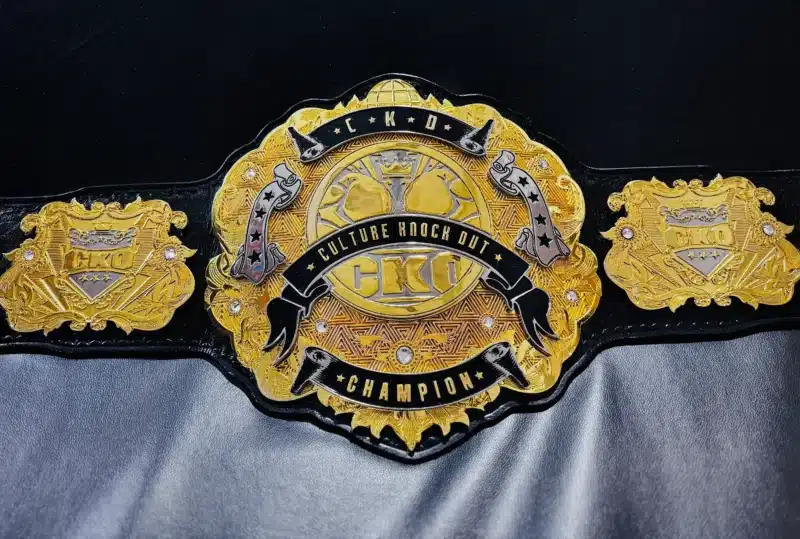
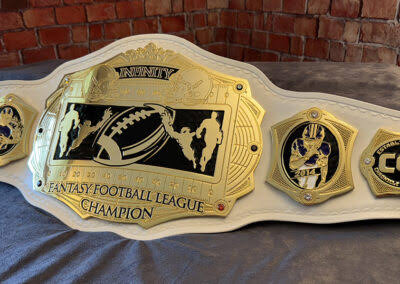
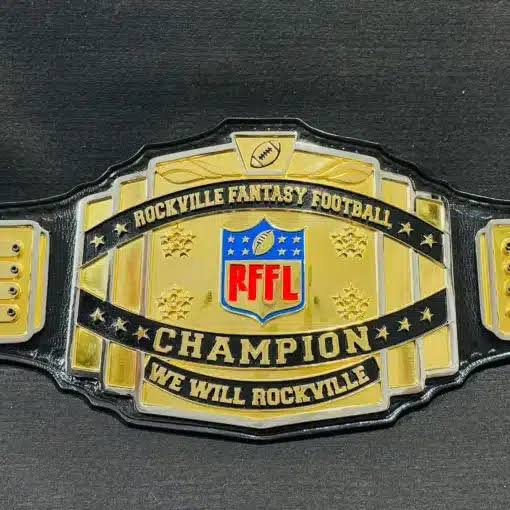
The most crucial design features are typically found on the center plate. To make an identity, you can add the promotion logo, the name of the championship, a wrestling symbol or a title of the event. Select artwork that conveys the intent of the belt, but does not overcrowd the available space. Clear lettering facilitates people identifying the design in presentations and photographs. Request a digital preview prior to production from the designer. Check layout thoroughly, and ask for alterations if it doesn’t match your expectations in terms of text, proportions, or graphics.
Adding Names And Logos
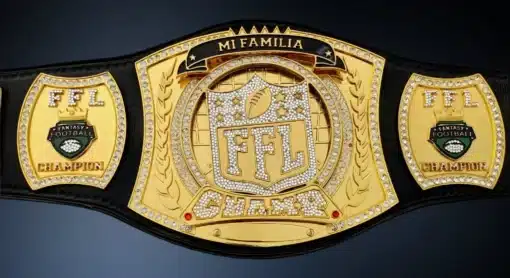
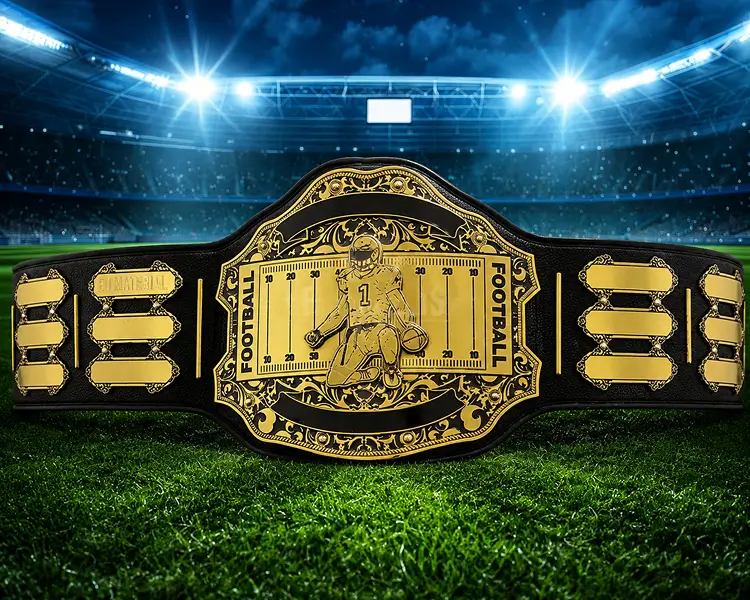
It’s a simple belt that can become a valuable celebration with personal information. Organizer’s names, competition year, championship division or winner’s name can be included. There are available designs that collectors can select which cater towards their beloved wrestling theme as well as personal interests. Finally, some manufacturers also supply removable nameplates for organizations to help them change the details of their champions after each event. Review all spellings, dates and logos before approving the final artwork. The right information safeguards the design and makes the final belt look more professional.
Planning Your Belt Budget
Having a clear budget will make it easier to compare the products without spending too much. First, establish a realistic budget, then check the various possibilities. Take into account the cost of the belt, personalization cost, packaging, shipping, and any taxes involved. More detailed art work and up-grade materials may add to the overall price. But it’s possible to create an impressive, simple design that’s well proportioned and finished nicely. Focus on the features that are important rather than the higher price.
Weighing Price Against Value
Just because a belt is a good price does not mean that it is a good value. Two products may appear identical in photos, but they can have different materials, plate thickness, strap flexibility and customization. Check out product specs, and find out what each seller is including in their quote. An increased cost can be for better built, or better customization. Read customer reviews and check out actual photos of the product, if available. This comparison will give you an idea of what you are getting before you buy.
Finding Reliable Belt Suppliers
A trustworthy seller will offer clear product info, realistic photos, and great communication. Check on customer reviews to see what they have to say regarding the quality of the product, delivery and customer support! Search for good details of the strap, plates, engraving, and finishing. You may also enquire from the seller of any past custom orders that are somewhat similar to the design you like. Don’t make a decision just from the good-looking promotional photos. With a bit of research, you can find sellers that are willing to communicate in a clear manner and provide products that match up with their description.
Confirming Delivery And Policies
The delivery is important, particularly if you require a belt for a tournament or special event. When ordering, inquire about production time, shipping time, tracking and packaging. It can be a bit of extra woe to the seller if the extra preparation of the custom products is needed because the artwork needs to be created and approved. Read and understand the return, refund and revision policy. Personalized products may have special requirements from some sellers. Make sure all critical requirements are set in writing, so you know what you are getting and can purchase with confidence.
Avoiding Common Shopping Mistakes
Product photos may alter the appearance, length, or width of a belt. Sometimes buyers overlook measurements, and then find that the award isn’t what they need. Always verify strap length, plate width, total weight and adjustment range. If you’re going to hang the belt, you should first measure the space you have available on the shelf or wall. When the listing doesn’t share any useful information, ask the seller for more measurements. Precision measurements enable you to select the belt for the purpose.
Considering Design Details
The whole look of a championship belt can be altered by a small problem in the design. Even if a product is otherwise very appealing, spelling mistakes, confusing logos, inconsistent spacing and tightly concentrated artwork can make that product appear unprofessional. Be sure to look over all of the specifics before approving custom production. Carefully inspect the colors, lettering, the arrangement of the plates and nameplate details. Ask another person to review the preview if you want an additional opinion. The extra time spent at this stage will save some disappointment and costly corrections later.
Making Your Final Purchase
Please check the function, size, material, design, price and reputation of the belt before ordering. Ensure the product has the features you need. Review customization specifications and for customized orders, ask for a final artwork sample. Check delivery options and seller policy before paying. Maintain a copy of the order information and approved design. This checklist will help you to compare options and make a confident decision without missing anything.
Choosing Quality Over Appearance
While design can attract a person’s attention, quality is what will satisfy them in the long-run. Don’t consider just the plate or the artwork; inspect the strap, workmanship, plate finishes and information from the seller. Select features based on how you plan to use the truck and not add any extras that will drive up your costs. A balanced purchase is one that looks good, is built well and is priced fairly. By doing some research, you can find a championship belt that will leave a lasting impression and be very satisfying.
Final Thoughts On Belt Shopping
Smart purchase begins with a clear purpose and care given to comparison. With this wrestling belt buying guide, you can assess style, material, size, customization, price and supplier before deciding on a belt. Verify product dimensions, read through customer reviews and approve all design elements before placing an order for a custom award. Focus on quality and functional aspects more than appearance. Thoughtful planning can help you select the belt that’s right for you, whether you’re looking for a tournament belt or a personal collectible.