Blog
Wrestling Belt Sizes

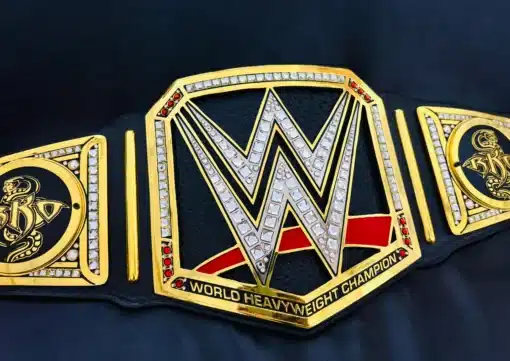
The proper size belt will enhance comfort, your appearance and presentation. A belt that is too loose or too tight will not be a good fit for a championship belt. The size also determines the location of the plates on the waist and how the belt appears in photos or when used at awards. Another factor to consider is dimensions; a large belt requires space to be displayed. Determine the primary purpose before buying and the intended user. This simple, yet important choice assists you to pick the proper measurements and stay clear of needless sizing issues.
Main Belt Measurements
There are multiple measurements of a championship belt that helps to determine the size. The entire strap length is the overall length of the belt and the width of the strap is the width that it covers around the waist. The width and height of the center plate are what determine the main artwork’s size. The belt’s sides also add to its overall look and composition. Some manufacturers offer adjustable measurements or options of various sizes. Perform a careful review of each specification, rather than depending on product photos. Precise measurements will give you an idea of what you’re getting before ordering.
Understanding Wrestling Belt Sizes
The straps and plates for adults’ championship belts are usually bigger than those used for youth belts. But manufacturers are not all the same size, so it is possible for the dimensions to differ from product to product. There are some belts which are longer to fit wider sized waists, and others that will fit the average sized adult human being. Be sure to always refer to the manufacturer’s measurement chart to select a size. Focus on the usable length of the strap, not the overall length. This separation will help you to understand whether the belt will fit the intended wearer’s waist comfortably.
Youth And Kids Belt Options
Youth belts are used for smaller sized wrestlers, including children. They may be easier to use due to their shorter straps and lighter weight construction. An entire grown-up belt can appear too big on a kid and make it difficult to put on the belt or to take photos. Be sure to measure the waist of the child before making a purchase. Take the child’s age as a rough guideline and don’t rely entirely on age. Precise measurements can be used to choose a comfortable and appropriate championship belt that will fit well.
Measuring Your Waist Correctly
Use a flexible measuring tape before buying a belt to find the right fit. Wrap the tape around the place that the wearer wants the strap to go. Make sure it fits snugly but isn’t too tight or too loose. Write the measurement in inches (or centimeters) and compare to the sizing chart provided by the seller. If the belt is to be worn over the clothing, use the same clothing. This is a better way to get a realistic concept of the fit when it’s used in real life.
Checking Usable Strap Length
The overall length of the belt is not necessarily the waist circumference it can cover. Manufacturers may place plate sections and end details inside of the overall measurement. Usable length: The area that can be tied around the wearer and fastened securely. If the description of the product doesn’t make its measurement clear, request clarification from the seller. Examine the buckle/fastening range too. Knowing this information will prevent you from spending money on belts that might appear larger in photos than they actually are in reality.
Measuring Plate Size And Shape
The center plate forms the central design of a championship belt. Its width determines the amount of space that the artwork will take up and how the belt will appear when worn over the waist. A larger plate can provide a more dramatic effect, or a smaller, more balanced effect on a narrow frame. Center plate width is a point to consider when ordering, and should be compared with the size of the straps. Think about who will wear it and overall design. A well proportioned center plate makes the belt look nicer and doesn’t get in the way or cause any discomfort.
Checking Side Plate Proportions
The side plates provide decorative detail and full the overall championship design. They must not overpower the center plate, but fit appropriately. The larger side plates will make a dramatic effect, and the smaller will provide a cleaner, more balanced style. Review product images for distance between plates and edges of straps. Take into account the curve of the belt around the waist. The correct proportions allow the plates to take the strap’s natural curve and to make appealing looks from various perspectives.
Choosing The Right Belt Fit
A belt should be tight and not cause pain or interfere with ease of movement. If the strap is too tight, it can cause discomfort, particularly when wearing for long periods or presenting. A sloppy belt can shift around the waist, causing an off-center appearance of the plates. Verify the range of fastenings and leave some space for the user’s comfort. If the wearer intends to put the belt on various garments, consider these layers of clothes when choosing the belt size. The balance produces easy handling and helps to make the championship look good.
Considering Different Body Types
The size of straps and proportions of plates differ according to body shapes. One size does not fit all when wearing a belt. Those with a wider waist will require longer straps, and smaller individuals will find shorter straps to be ideal. Width of plate also can produce different appearance across various body frames. Don’t select a size that is merely based on that of someone else’s. Measure each part individually and compare with manufacturer’s specifications. The process is simple and assists all users to select a more suitable option.
Exploring Adjustable Belt Features
Adjustable holes, snaps, or other fasteners are common features in many championship belts to allow them to be adjusted for a more flexible fit. The features can be used to adjust the strap position depending on the diameter of the waist. There are some designs that have multiple adjustment points and there are some designs that have a less extensive range of adjustment. Please note the fastening system prior to buying and ensure that it will fit the size. Check the buckle/snap quality as well. Reliable fasten to ensure belt stays securely in place during presentations, celebrations and during the occasional wear.
Planning For Future Adjustments
A bit of transformation space can help a championship belt to be more functional in different situations. Ideal fastening position may vary due to clothing thickness, personal comfort, and changes in waist sizes. Buyers should steer clear of a belt that can be tightened or loosen only at full or max settings. Rather what you need to do is select a size that will provide you with some adjustment room both ways. For those who have organized belts for rotating champions, this is a flexibility that needs to be taken into account. An appropriate adjustment range allows for easier wearing of the award item by the various winners.
Choosing Sizes For Different Uses
The belt dimensions should be decided by the event organizers based on the presentation style and participants. Depending on the age of the participants, adult competitions might demand larger designs, and school tournaments or other youth events may be more suitable for smaller designs. Think about the possibility that winners may want to wear the belt for ceremonies or just to hold for pictures. If multiple players are competing for one of the awards, a lighter design might allow for easier remanding. The storage and transportation of the items should also be taken into account. Choosing appropriate dimensions is an effective way to make the belt look impressive and fulfill the practical requirements of the event.
Collectors And Display Belts
People who collect belts should take into account the size when they’re not wearing them. Larger championship belts require larger shelves, solid wall brackets or large display cabinets. When ordering, take into consideration the amount of space available and allow for extra space around the plates. Measure the overall length, center plate height and overall weight of the belt. A large design may draw attention to the collection but must also fit into the collection area. Some collectors plan ahead so that they can have displays that are pleasing for both their visitors and their collection.
Avoiding Common Sizing Mistakes
Product images may portray a false sense of size when it comes to belts. Plates may look larger and/or straps longer than they are due to camera angles, close-up shots, and display arrangements. Please review the listed measurements before buying. Ask for more photos when the owner gives you little information and has a measuring tape in hand. If you already have a belt, compare the product dimensions with that one. The following simple checks can give you an idea of the true size and minimize the chance of getting the wrong size.
Using Manufacturer Size Charts
Different manufacturers can use various sizes and measurements. Different sizes of the same standard can be sold as different sizes. It is the buyer’s responsibility to never take any championship belt as being the same size. Read and follow the size chart and ask questions about measurements that are not clear. Before ordering, make sure you check the length of the strap, how it can be adjusted, the width of the plate and the overall length of the strap. If custom sizing is an option, provide precise dimensions and ask to verify. This will enable to avoid avoidable fitting issues and avoidable returns.
Final Thoughts On Belt Sizing
However, when it comes to selecting a belt, it is not merely about looking good. Measure the waist of the person the belt is intended for, and check the belt strap length, belt plates size and belt adjustment. Consider the use of the belt for an adult, child, tournament winner or personal collection. Be sure to refer to the manufacturer’s sizing chart before placing an order. With careful measurement you can find a snug fit, a balanced look and a championship award that you are not disappointed with.