Blog
Custom Wrestling Belts

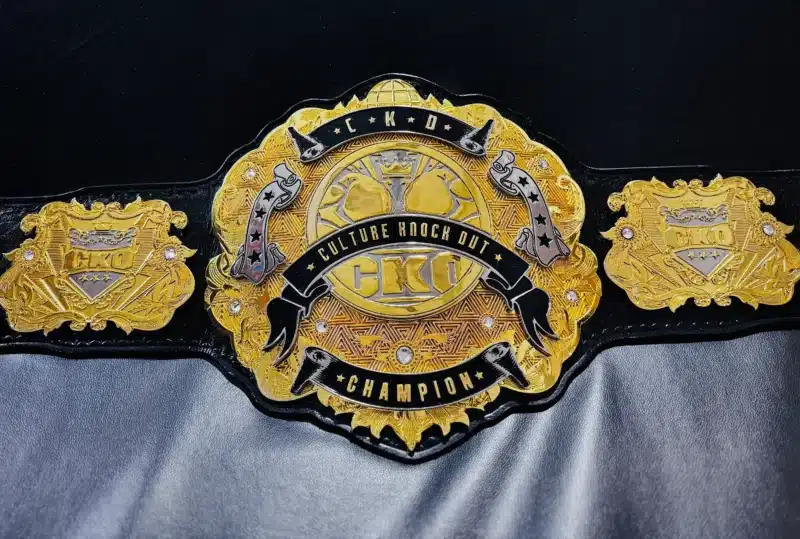
The importance of a championship belt can be likened to the sense of achievement, dedication, and excitement of competition. When it comes to artwork, colors, logos and other details that convey an organization’s identity, there’s no better opportunity than a personalized design. Awards can be designed to complement wrestling events and audiences—whether for wrestling promotions, schools, local clubs, or tournament organizers. Rather than a standard trophy, they can consider a unique trophy for the championship. A thoughtful design will also help to make the event memorable to those who won and help build a tradition for the event.
Creating A Unique Identity
Each wrestling association is unique, has its own audience and competitive format. These qualities should be evident in the use of appropriate colors, symbols, lettering and decoration in a championship design. In a traditional wrestling promotion, for instance, gold plates and a large font might be the preferred choice, whereas in a modern promotion, there might be colorful graphics and odd shapes. Before asking a designer about artwork, it is important for the organizers to know their principal theme. The consistent visual identity allows fans to recognize the championship and fosters a greater association between the award and the organization of the championship.
Exploring Custom Wrestling Belts
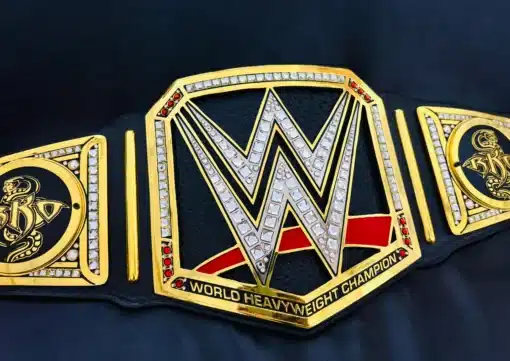
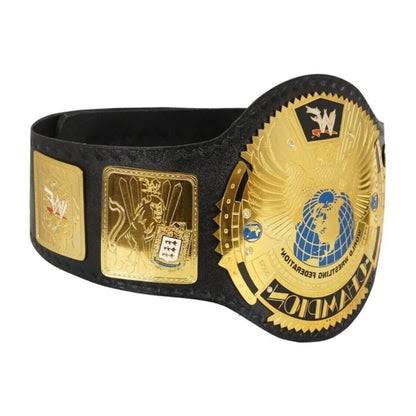
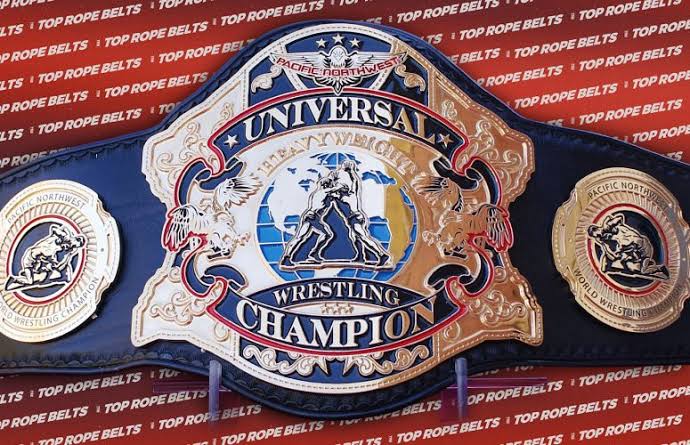
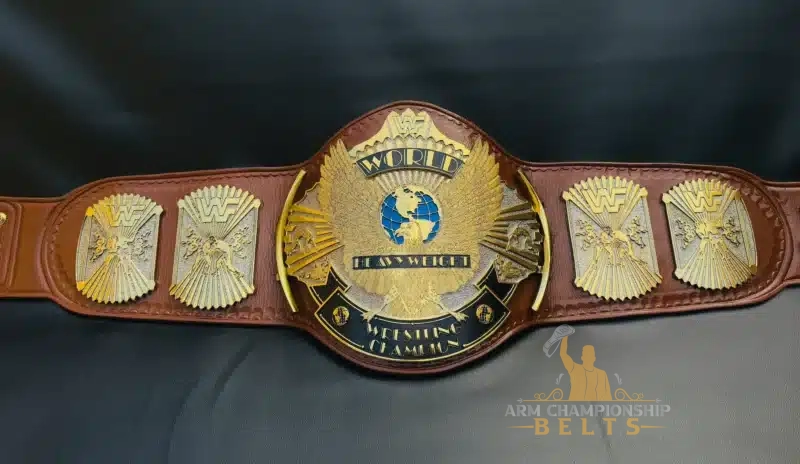
There are several different types of wrestling championship designs, such as traditional designs, modern designs, vintage designs and minimalist designs. Conventional belts frequently have big metallic plates, intricate borders, and vintage wrestling marks. The modern styles can feature original forms, vibrant color accents and contemporary artwork. Old-school fans will love vintage designs as a nod to the past. The organizers need to make a comparison of these styles based on the theme of the event, the audience, and the budget. If a suitable style is selected early, it will help the designer to create a well balanced layout and make it easier to avoid the need to change it during the creative process.
Selecting Suitable Belt Shapes
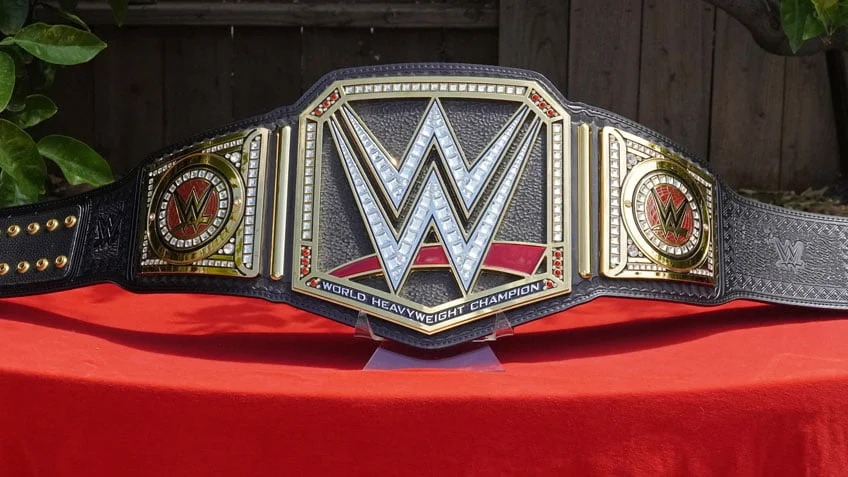
The shape of plates can create an overall effect on a championship belt. The large center plates make for an eye catching impression, while the side plates can be used for extra symbols and decorative elements. Some organizers like the traditional plates that are in the shape of an oval or shield, while others opt for the geometric outlines for a more modern look. The strap should also fit with the plate configuration and be comfortable in size. Before choosing belt dimensions, take into account the purpose for which it will be used. A well-balanced shape makes it look great in presentations, photos and when displayed in the future.
Planning The Main Artwork
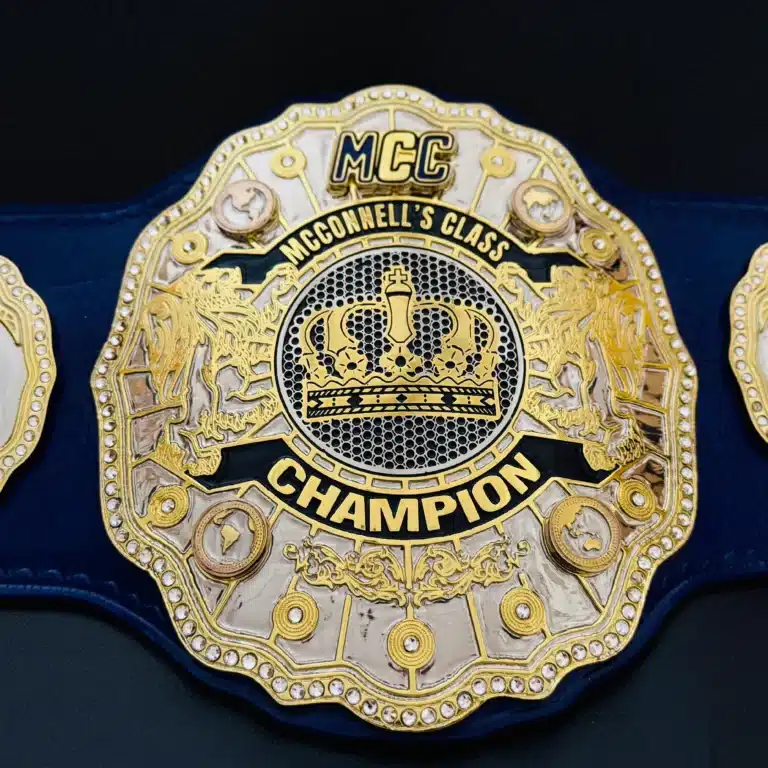
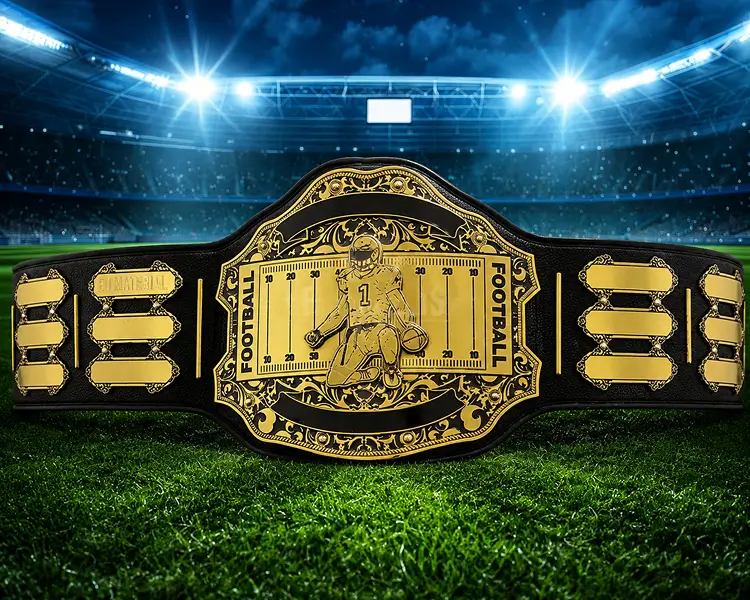
The center plate is the most important as it contains the major identity of the championship. Add the organization name, award title category, award logo, or a reasonable wrestling symbol to convey the purpose of the award. Graphics such as crowns, eagles, stars, shields and graphics related to wrestling can add to the theme when appropriate. Main lettering should be clear and there should be adequate space for significant elements. Be careful not to decorate too much as crowded artwork might be less readable. A balanced center plate instantly grabs the viewer’s attention and makes a strong impact.
Creating Matching Side Plates
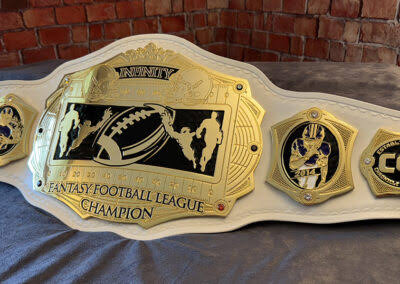
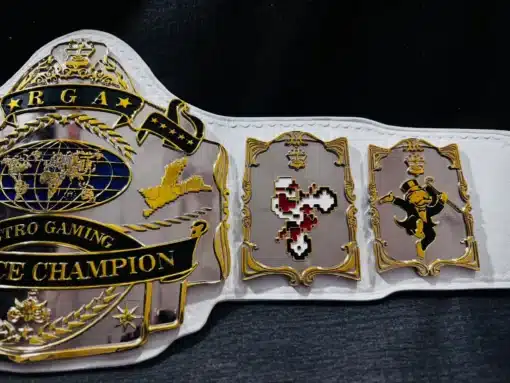
The side plates are a nice addition to give personality and complete the overall design of the championship. Smaller logos, initials, event symbols or patterns may appear in these areas. Using identical artwork conveys a traditional look while different graphics can add some variety. Ensure that each side plate matches the design of the center plate in color, shape and visual features. Request a complete belt layout from the designer before finalizing the design. This will help you to see spacing issues and make all plates look the same.
Selecting Materials And Finishes
The strap is the source of the comfort, flexibility, durability and appearance of a belt. Whether you have a traditional feel in mind or a practical option for a smaller budget, genuine leather is a great option. Before purchasing a material, buyers should look at the thickness, texture, stitching, flexibility, and edge finishing. The strap should be secure and not be too stiff. Think about how winners will use the belt during the presentation or primarily when they’ve won. This information enables the organizers to choose appropriate materials which are suitable for the purpose and likely use of the award.
Choosing Attractive Plate Finishes
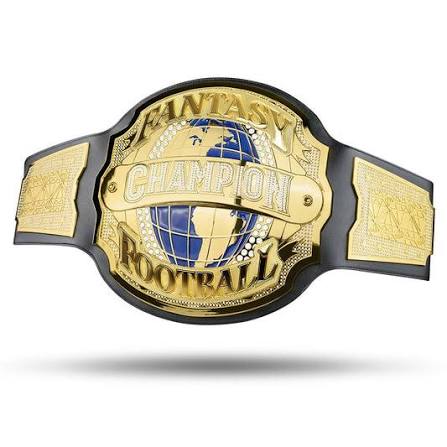
These plate finishes have an impact on the visual appearance and presentation of the belt. If you want a classic look and feel for your championship, then gold is the solution. If you want a clean, unique look and feel, then silver is the solution. Some of the designs include metallic finishes with other colors such as black, red and so forth to make the contrast stronger. Depth can be added to the artwork by raised lettering, engraved borders, and polished surfaces. Talk to the manufacturer about the possible finishes before you approve the design. Select combinations that will complement the theme of the championship without overloading the image or making it hard to read.
Adding Personal Championship Details
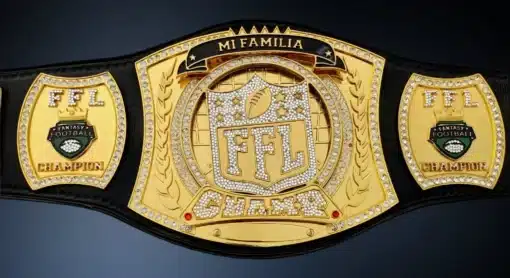
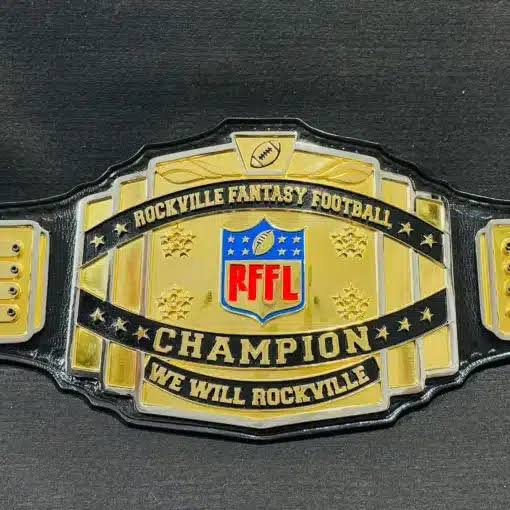
A personalization can make a championship belt more meaningful for an organization, event or accomplishment. Include the name of the promotion, championship division, tournament title, or founding year if applicable to the design. You can establish a recognizable logo that can enhance the organization’s identity and make the award more identifiable to fans. Some organizers will also have a removable nameplate to change the name of the champion after each competition. Check every spelling, date and logo prior to approving the artwork. Precise information contributes to a professional look.
Creating Special Event Themes
Anniversary design, annual tournament design, charity tournament design, and memorable wrestling mildews are all examples of special event designs. Organizers may feature the year of the event, artwork or a symbol that represents the event. These awards may be different from standard championship awards because of the limited colors and decorative elements. Maintain the continuity of the event by keeping it in line with the organization’s identity so that the fans can recognize the connection between various awards. A well thought out gifting idea provides something of value to reward the participants, and can help make the presentation a memorable and special event around a significant date.
Managing Design And Production
With a good designer, an idea can become a clear and appealing championship design. Discuss your event theme, event colors, logo files, plate shape and any key text with the designer prior to him/her beginning the artwork. Discuss what information is most important and what information you will not consider. Go over previous ideas and give detailed comments rather than asking for multiple unrelated changes. Communication is the key to saving time and clarifying your expectations for the designer. It also simplifies the approval process for all concerned.
Reviewing Artwork Before Production
Be sure to look at the full digital preview before the manufacturer starts manufacture. Examine the center plate, side plates, lettering size and placement, colors and logo. Read each name and title correctly, as there may be a difference in the spelling which could impact on the award. Request changes if art does not adhere to the directions given. Ensure the final design is confirmed by writing and both parties are aware of the approved design. This thorough inspection can eliminate unnecessary mistakes and provide the manufacturer with a clear guideline throughout manufacturing.
Planning Your Championship Budget
A realistic budget will enable the organizers to work out a balance between good design and production costs. First, determine the budget for the event and then do some research on materials, plate choices, customizations and sizes. The total cost may be higher if there is detailed artwork and superior materials, but chose the features that is most important. Factor in packing and shipping costs, along with any extra fees. Good proportions and clean finishes will still boost the impression of a simple design. Planning can help you to avoid any unnecessary costs.
Comparing Reliable Manufacturers
Manufacturers vary in their designs, the types of materials they use, their production timelines and their customer support services. Look at past projects and see examples of carefully taken photos of finished belts. Discuss the materials used in the plates, the type of straps, changes to the art work, costs of buying, and what is involved in delivery before deciding. Customer reviews can also give you insight into the communication and product quality of your customers. Don’t take the first offer if it’s not the best deal. A good manufacturer will be able to provide clear answers to your questions and be able to tell you exactly what happens from the design phase to delivery.
Final Thoughts On Championship Design
Making your own wrestling belts takes careful consideration, creative design, finding suitable materials and communicating with the belt manufacturer. Organizers are encouraged to build a case for their event identity, plate layout, personalization details and event budget before approval of production. Common pitfalls can be avoided by carefully examining artwork and shopping around. If you’re looking to honor accomplishments or create a memorable tradition, a unique championship design can serve as a way to do so, whether it is for a professional promotion, a local tournament, or some special event.