Blog
Boxing Belt Sizes

Understanding Championship Belt Sizes
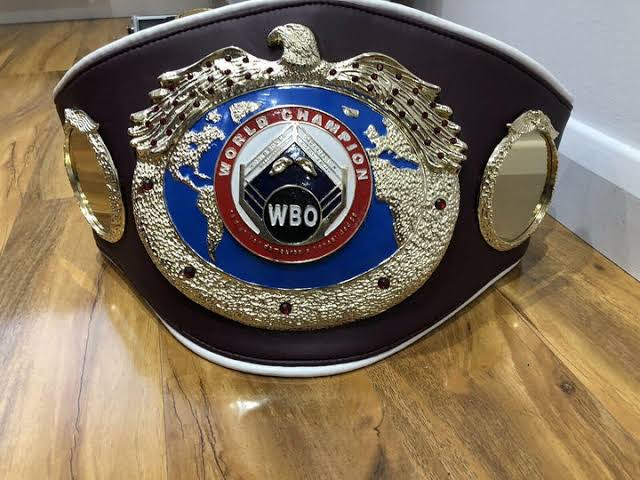
Championship belts are made up of decorative metal plates and straps around the waist. The right size will give a balanced look, make it easy to handle and keep the belt in place when presenting or celebrating. Belt width that is too narrow may not fit around the waist, and the belt collar that is too wide might look cumbersome. Size also needs to be taken into account when planning to display. Knowing the fundamentals of measurements is useful for a buyer to compare products and select a belt that is appropriate for their use.
Main Belt Size Features
There are a few measurements used to determine the size of a championship belt. The length of the strap determines the belt’s shape around the waist, whereas the width of the belt determines how it will look and how completely it will cover. The size of the center plate will dictate the size of the main design. Side plates too add to the overall width and overall aesthetics of the belt. Weight is another consideration and can be important for younger users or those intending to wear the belt often. It is easier to understand the whole product when buying it, if the features are discussed together.
Standard And Custom Options
Most of the sellers are selling the belts with standard dimensions which are good enough for the general display and presentation purposes. The length of the strap, size of the plate, and the shape of the strap might vary depending on the request of the customer for custom manufacturers. Standard options make it easier to buy since the buyer can compare with measurements that are familiar. Custom options provide extra versatility for those with specific styles or event needs. Be sure to review the vendor’s measurement chart, and inquire about any adjustments available prior to ordering. Specifications help avoid confusion and disordering of belts.
Standard Boxing Belt Sizes
For smaller displays and younger players, small championship belts are appropriate. The plates are smaller and their shorter straps make for a lighter design. But, one should never take it for granted that all small belts are a perfect fit for a buyer’s waist size. Actual size is more important than product labels as different manufacturers have different sizes. Before buying, see the overall length of the strap, the length of the working section, and the dimensions of the plate. These details enable you to choose the right one without having to go by general size descriptions.
Medium Belt Dimensions
Medium belts are frequently used for general awards, casual presentations and personal collections. They can be of a size that gives them visual prominence without being as large as some designs to take up space and weight. But different measurements may be applied to products in this category. Measure the length of the strap and the length of the fastening range and compare it to the waist size of the target user. Look at the center plate size as well since two medium belts can be quite different. Careful comparison can be done to help buyers select a functional and stylish design.
Large Belt Dimensions
Large championship belts often have wider straps and larger plates, and are generally larger. They are bold looking and may be an attention grabber at sporting events, or collection exhibitions. Some designs also feature larger side plates and other decorative elements. Before purchasing a big model, buyers should take into account weight and storage space. Longer strap can make a striking appearance, but might feel less convenient for smaller consumers. Check the complete specifications of the product to ensure that it matches your requirements.
Measuring For The Right Fit
Use a flexible measuring tape and wrap it around the belt where it would go. Do not allow tape to be too tight or too loose, but it must be even. Write the answer in inches or centimeters and then check with the seller’s sizing. If the belt is a piece of art, take into account how it will be presented, not just worn by an individual. A precise measurement is helpful to the buyer and will help them not to make a decision purely on the appearance.
Checking Strap Length
The strap length will determine the extent of the wrapping of the belt around the waist. Ask the seller what length the item is available for fastening, as this may vary from the full length listed. Some belts have more strap material than the buckle or fastening. Check with the intended waist size before ordering as it is important to compare the usable range. If the listing is not well detailed, reach out to the listing agent for clarification. This is a simple measure that can avoid fit issues, and avoid returns.
Understanding Fastening Range
Various championship belts have various fastening mechanisms such as snaps, buckles and adjustable closures. Each system has a particular range of adjustment. Look at the number of snaps on the belt or at the buckle pattern to see how easy it is to move the belt. Don’t size it too small to fit with ease. An adjustable belt might be more convenient if multiple users are using the same belt during an event. Always check with the seller about the range of the fastener.
Plate Width And Dimensions
Typically the center plate is the most striking element of a championship belt. It’s width and height can impact the design of the entire page and the page’s appearance of the primary artwork. Check the width of the plate and refer to the product description. A bigger center plate could be a good thing, but it can also be a bad thing. Users should take their size, display area and use into account before selecting a belt with an oversized center piece.
Comparing Side Plate Sizes
The belt’s sides are finished with side plates adding balance to the center design. While traditional and modern styles can differ in width, height, and position. There are belts with small side plates or larger sections with elaborate engraving art. Look at the entire width of the belt, not just the center plate. This measurement helps to provide a better understanding of the space required for displaying the belt. Proper plate balance can enhance both looks and usability.
Checking Overall Belt Width
Overall width is the width of the belt from top to bottom at its widest point. This is an important point to remember when someone wants to wear, carry or hang a championship belt. A broad design can produce a bigger visual impact, but can seem bulky to smaller users. If you are planning to attach the belt to a wall then measure the available wall space. You can get the complete shape of the product by comparing the width, length and plate dimension.
Choosing The Right Size
Size should be based on the intended use. The size of a belt for a children’s contest is not the same as that for an adult contest. Collectors might be more concerned with the fit on the plates, and the proportions of the display. The range of the participants who may handle or wear the award should be taken into consideration when organizing the event. Consider comfort, weight, look and storage when choosing. By comparing the dimensions to the purpose, it will help you save money unnecessarily and make the wrong purchases.
Considering Age And Height
When choosing belts for children or younger people, age and height might help you make a selection. These details are not, however, an accurate substitute for waist measurements, since there are many different proportions. Refer to manufacturer’s size chart and compare with the size of the user intended. When ordering belts for a group event, it is important to estimate the number of people that will be attending. They should fit comfortably and be proportionate without being overly cumbersome or uncomfortable.
Comparing Weight And Comfort
Weight can be a concern when using heavier plates, materials or any other decorative elements. If the design is heavy, it might be better for a display collection or for a special presentation, but may be cumbersome if used for long periods of handling. If limited information is given in the listing, request the weight of the product from the seller. Take into account the strength and age of the user, especially if children are to hold the belt. A good design is balanced and both attractive and functional for the purpose for which it is intended.
Custom Boxing Belt Sizes
Custom sizing allows the buyer to choose their strap length, plate size, and size of the entire unit. Make the necessary measurements and explain to the manufacturer how the belt will be used by the recipient. Describe the desired width of the plate, preferred waist range and any show requirements. Have the seller in writing confirm all measurements prior to the start of production. Communication is necessary to avoid misinterpretations and provide the manufacturer with information to develop an appropriate award for the championship.
Adjusting Strap Length
The strap can be adjusted for different waist sizes by some manufacturers. Consumers can inquire about additional snap locations, extended straps, or other securing options. Each manufacturer, however, offers various customization options; please check before ordering. Don’t rely on a seller to be able to make changes to a finished belt without it looking different. If you require an adjustment, communicate about it at the beginning of the design process. When there is an agreement, it will be less likely that the final product will not fit your needs.
Selecting Plate Proportions
Custom proportions for plates will affect the look and balance of the belt. A wide center plate may work nicely in a large championship design, and a smaller plate will have a more traditional feel. Center section should be emphasized and not dominated by the side plates. Before ordering, request a design preview from the manufacturer with measurements. Looking at the proportions before the making helps you to see how the design will look when finished and avoids some of the problems of the design not turning out as you’d expected.
Common Purchasing And Size Errors
Small, medium and large product labels are not exactly consistent across all brands. Medium belt may vary in strap length and dimensions of plates depending on different sellers. Please always refer to the measurement chart rather than just the category name. Ask for measurements when buying if the seller hasn’t provided them. This is a good habit to have when buyers compare products correctly and select a belt which fits their real needs.
Focusing Only On Appearance
Use intelligent artwork that can sway the shopping decision, but not solely on looks. There is the potential of a belt displaying amazing plates and colors, but having an inappropriate strap length and/or weight. Read and check the details with the design for material, fastening, size and specification. If photos are available, compare the customer’s photos as they may have a more realistic idea of the actual scale. Making a balanced choice, before finishing the transaction, involves both looks and functionality.
Forgetting Display Space
There must be ample space for proper presentation of large championship belts. Purchasers have been known to choose an outstanding design without paying attention to how deep it is, or how much wall space it requires, or how large the display case is. Check the area that is planned before ordering and with the full size of the belt. Take into account the way the mounting hardware is used, as well as surrounding decorations. Provide adequate clearance for belt cleaning and/or rearranging. Pre-planning is necessary to safeguard the collection and eliminate display issues on delivery.
Final Thoughts On Belt Sizes
Consideration of the length of the boxing belt, the waist size, size of the plates, overall width and weight are all important factors when selecting the right boxing belt size. It is important that buyers compare manufacturer charts and take into account the uses for which the belt is intended. Additional flexibility can be obtained with custom options if standard measurements are not appropriate. When choosing a belt, whether for a competition, as a collectible or a display, accurate measurement ensures that you get a belt that looks balanced and is useful.