Blog
Boxing Belt History

Early History Of Boxing
The history of boxing dates back to ancient times. Early fighters engaged in competitive events to showcase their courage, strength, and skill. Boxing competitions were part of the games of ancient Greece, and other societies laid their own rules for the sport. But the early matches were not the belts of the modern day. Fighters had value in terms of winning, being recognized by others and their own reputation. Boxing slowly became a sport of professionals and people now appreciated the systems that are in place to identify top-notch champions.
Early Professional Boxing
Eighteenth and nineteenth century saw a growth in the professional boxing. Fighters played by different rules and the promoters staged fights that increasingly attracted the public’s gaze. In many of the early events bare knuckle boxing was the most popular boxing event until the introduction of formal rules and gloves became accepted. At this time, the honors and awards publicized the champion’s success, including trophies, monetary awards and other prizes. Boxing organizations didn’t have the modern title systems that fans use in present times. These early traditions have helped to lay the groundwork for organized championship competition, however.
Awards Take Their Place
With the rise of popularity of professional boxing, boxing promoters and fans sought ways to honor successful boxers in a meaningful manner. Awards helped to set the winners apart from the masses and added meaning to important events. Major victories were rewarded with a belt, medal or other valuable prize for some early champions. These honors were given to show the public’s appreciation and to stimulate the fighters to strive for more. While styles and styles are going to change, the thought of offering a tangible sign of success began to grow into an influential aspect of boxing culture.
Boxing Belt History Begins
The tradition of awarding belts to successful fighters was inaugurated in the 19th century. Decorative belts were occasionally given as awards to boxing supporters and influential patrons for outstanding boxers. These early awards were not based on a single design or organization system. Rather, each belt was a reflection of the preferences of its sponsor, creator, or presenting group. A championship belt came to be recognized more over time as it provided a tangible sign of accomplishment. This tradition played a role in forging the relationship between boxing titles and awards in the modern-day.
John L Sullivan Era
John L. Sullivan went on to become one of the popular heavy weight champions of the bare-knuckle and early gloved boxing era. His success brought an incredible amount of publicity and ensured championship recognition. His career was linked with other significant championship belt conventions, such as awards for his heavyweight accomplishments. The popularity of Sullivan helped create the notion that a champion should have some sort of a token of success. His time, thus, marks a significant period in the evolution of boxing prizes and the boxing tradition.
Belts Gain Recognition
As professional boxing grew in the late ninetieth and early twentieth centuries, championship belts began to be more familiar. The tie between title wins and tangible rewards was reinforced by the efforts of promoters, sports groups and fans. These prizes could serve as a reminder to fighters of important achievements. Many fans also started to link a certain belt to iconic bouts and champions. This trend fostered a greater degree of design sophistication and of championship culture. Eventually, boxing embraced the belt as part of its image.
Growth Of Boxing Organizations
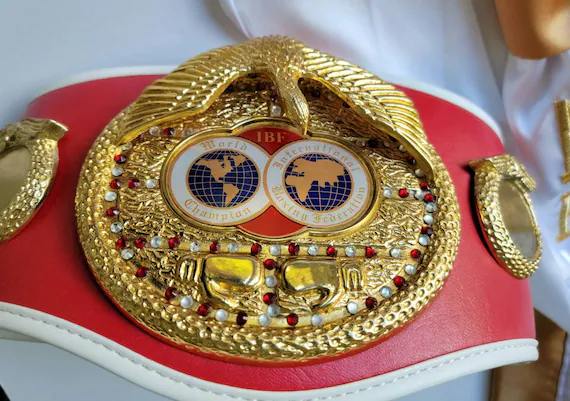
The organization of a professional boxing championship system began in the twentieth century. Various organizations started to develop rankings, award trophies and conduct competitions. It has started since 1921 by the World Boxing Association and 1963 by the World Boxing Council. In 1983, the International Boxing Federation followed and in 1988 the World Boxing Organization was born. From the rules, rankings and championship titles that these organizations established, modern professional boxing emerged.
Different Championship Systems
The boxing organizations have their own separate championship structures and championship procedure. The WBA, WBC, IBF and WBO crowns champions in various weight classes. Sometimes they hold recognized world championships for multiple fighters in the same division as they have their own system. This setup also grants chances for unification wars, where champions will fight for the right to merge their titles. It’s important for fans to be aware of these differences when it comes to professional boxing. Championship belts are also a result of these organizations’ traditions and designs.
Rise Of Title Unification
Round the title unification is a crucial one in modern boxing as fans would like to see the top champions compete against each other. When multiple championship titles are won in a successful unification fight, a single fighter will rule them all. These fights can be huge and promote a boxer’s career. In addition to this, unification provides an advantage for the fans of knowing which team member is best suited for a weight class. Championship belts, then, are not just about a single win, but also the evolution of the sport and its competitive goals.
Evolution Of Belt Designs
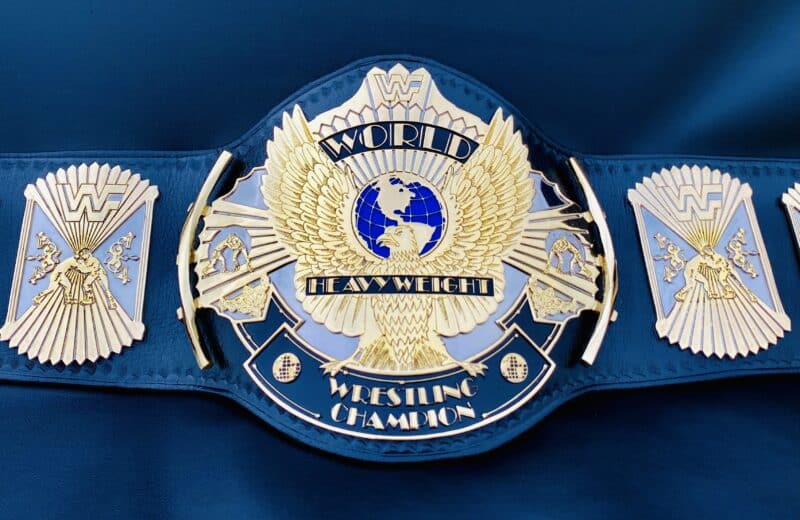
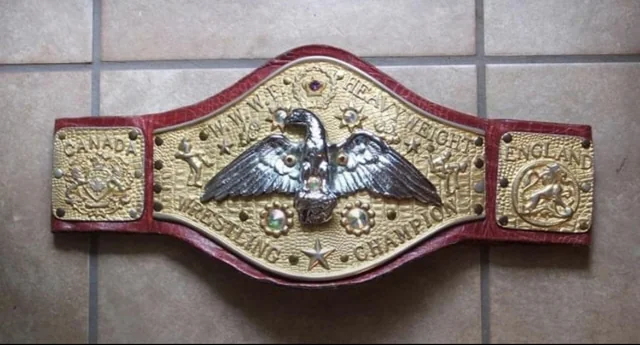
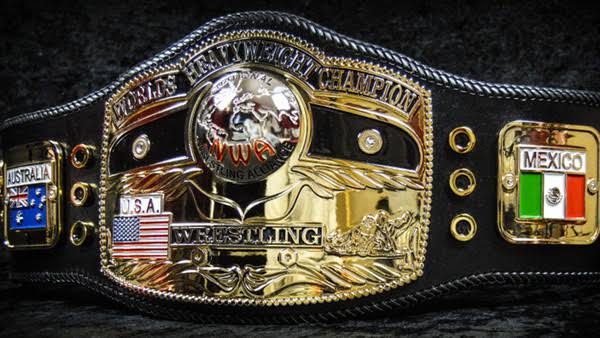
Much of the early championship belts were simpler to construct and decorated to reflect the time. Unique awards were made using metal accents, leather straps and engraved art. Others featured national symbols, sporting success, or the organizer of the title. As manufacturing advances grew more complex, designers began to add more elaborate decorations, and more detailed plates. These changes provided championship belts with a more distinct visual identity and created a more appealing appearance for boxing enthusiasts and collectors.
Modern Plate Designs
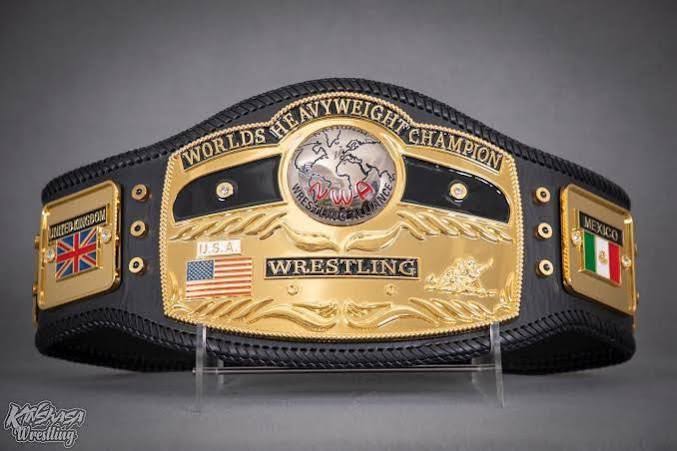
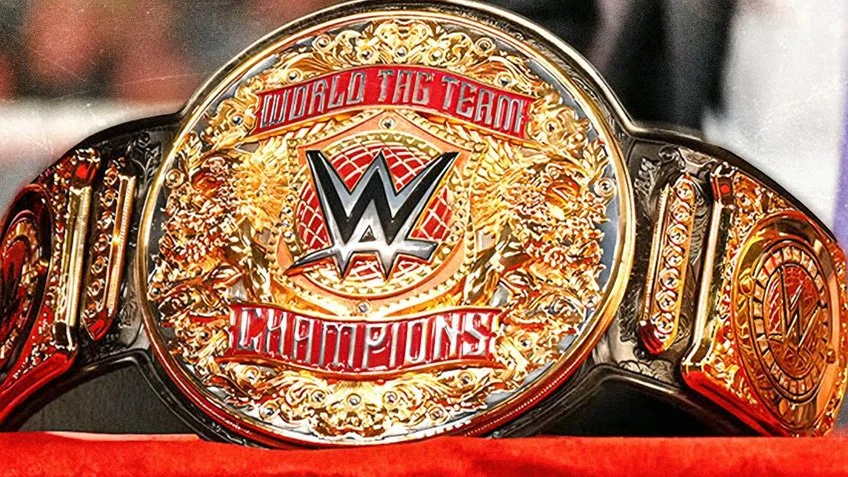
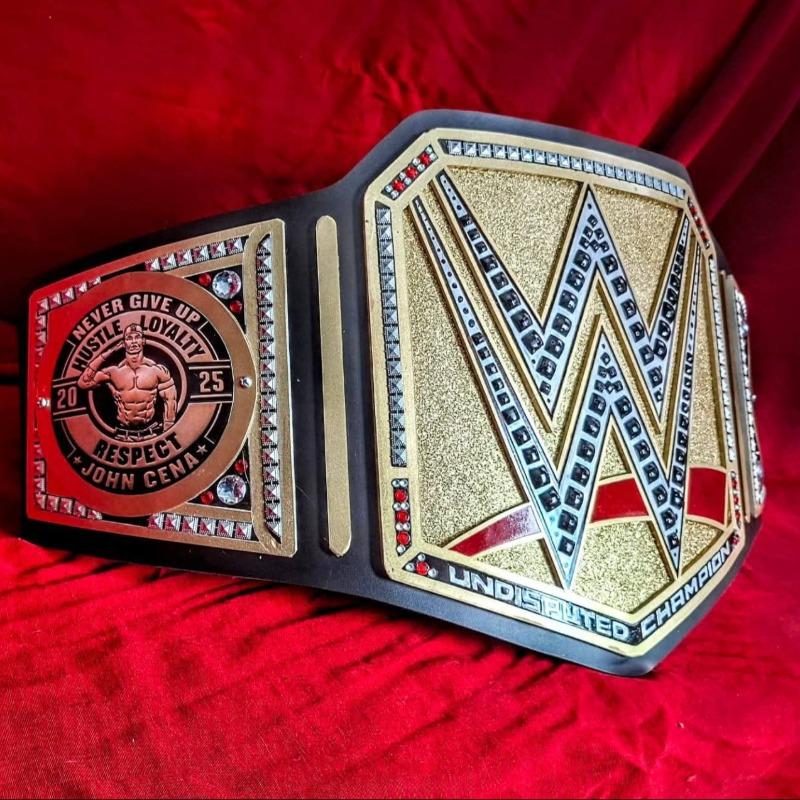
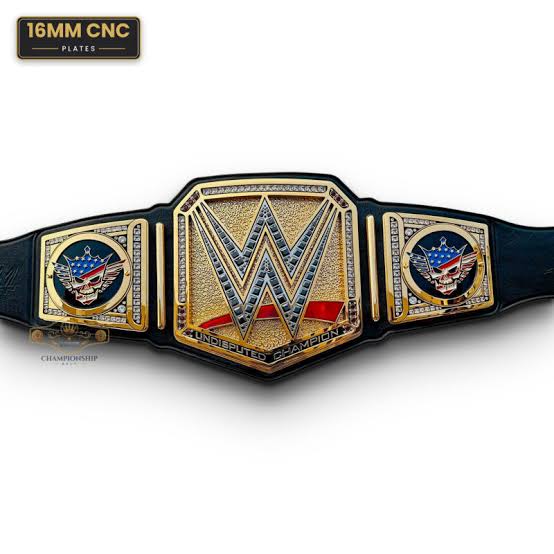
Today’s championship belts are typically constructed with a large center plate, side plates with ornamentation, engraving and shiny metallic work. The designers work together with logos, lettering, national symbols and other artwork to make recognizable championship identities. There are also some organizations that release special editions for important occasions or historic events. More complex designs and patterns than many early designs are possible with better manufacturing techniques. Such advancements have made championship belts an attention-grabbing prize that can be seen both within the ring and outside of sporting events.
Materials And Craftsmanship
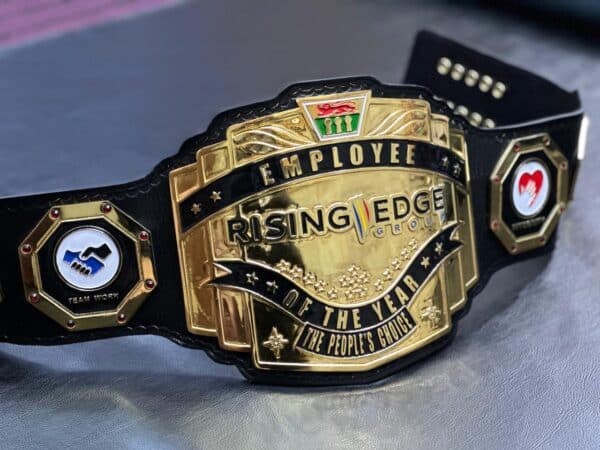
Championship belt materials have also evolved over time with the development and evolution of design and manufacturing techniques. Traditional leather straps have their place, and leather alternatives, both natural and synthetic, are being introduced for various applications and budgets. Metal plates can be brass, zinc alloy or other metal that has a gold-tone and/or silver-tone finish. The engraving, stitching, surface finish and plate connection are all impacted by craftsmanship. Many collectors pay attention to these aspects when they are trying to see how the replicas compare. The selection of materials aids in achieving each belt’s appearance, weight, durability and cost.
Famous Champions And Belts
Boxing belts have become world-famous thanks to heavyweights. Boxers like Muhammad Ali, Joe Louis, Mike Tyson and George Foreman drew massive crowds with their fighting style and charisma. They won some of the most memorable titles in their history, which is still fondly remembered by fans. These belts are frequently seen by collectors due to the fact they are linked to important periods in boxing. Their accomplishments also demonstrate the value of winning a championship in a fighter’s legacy.
Memorable Championship Fights
Belts have a value other than being a pretty object, as they are given emotional value from historic championship fights. The rivalry of popular enemies frequently makes stories that last for several decades. Fighters are brave, clever, tough and determined in their quest to win big prizes. When a sportsman wins a championship belt, it can become a symbol of an unforgettable sporting moment. Fans can recall the battle, the champion and the prize. The tie-in with these connections help uncover the reason why boxing memorabilia is important to supporters of different generations.
Women’s Boxing Recognition
Professional boxing among women has seen a huge boost in popularity and has gained more recognition throughout the sports world. Women’s involvement in the sport through their skills, determination and competitive successes has added strength to the sport. Now, women’s championships are given to women in various weight divisions. So many fighters have made headlines for their big wins and historic feats like Clarisse Shields and Katie Taylor. They have helped shape the traditions of boxing at a championship level and inspire more people to take an interest in women’s boxing and its newfound importance in the sport.
Modern Boxing Belt Culture
In modern boxing, sometimes, special belts are issued for a special occasion like for a historic celebration, a high-profile boxing match etc. There may be special art, event names, national symbols and decorations on these awards. Special editions generate excitement and link a championship to a specific time in sports history. Limited designs, memorable presentation are appreciated by fans. But the buyers must differentiate between official event awards and replicas. Knowing the distinction makes it easier to make informed decisions for collectors in their search of championship collectibles.
Replica Belt Collecting
Replica belts are a great way for boxing enthusiasts to experience iconic belts from the boxers without having to collect real awards from the boxing professionals. Different manufacturers make different kinds that differ in materials, size, finish and detail. Some collectors may collect a particular organization, while others may collect belts that are associated with famous fights or champions. Compare the product specifications, seller reputation, and product quality before buying. With careful selection, the replica can actually be a piece of art that will serve as an interesting display and display of one’s boxing interests.
Belts In Popular Culture
The championship belt has become a recognizable symbol that has transcended beyond professional boxing. Their designs remain popular in the culture through sportswear, documentaries, exhibitions, and fan collections. Some people have reproductions in their personal offices, sports clubs, gyms, and/or homes. Some buy personal awards for local events and special occasions. This broader interest highlights the impact of boxing culture on non-fighting aspects of life. Overall, the belt continues to be a symbol of dedication, achievement, and the thrill of combat sports.
Final Thoughts On History
The boxing championship belts illustrate the sport’s history from the earliest days of prize-fixing to the current international boxing championship. Their designs, materials and meanings have evolved over time with the course of professional boxing and the organizations that embody it. They have also gained in significance because of their history of famous matches and iconic victories. By delving into the history of boxing belts, fans can gain a deeper appreciation for the stories behind these awards and the traditions they embody. Whether it’s watching championship matches or collecting replicas, championship belts are a fascinating link between boxing’s past and present.