Blog
Championship Belt Cleaning Guide


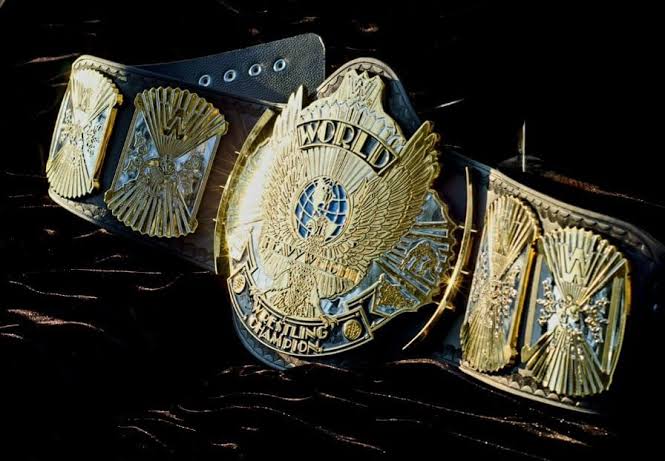
Championship belts will usually have shiny metal plates, engraving, colourful designs, and flexible straps. Their look over time can be impacted by dust, fingerprints, sweat and general use. The regular cleaning benefits the maintenance of the original appearance of the belt and ensure that the materials are in good condition. If you have a replica belt or a custom championship belt, it will make a difference if you take care of it gently. It is not a costly operation to keep it simple. With the right cleaning tools and techniques, your collection can stay looking great!
Identify The Belt Materials
Prior to washing a championship belt, recognize the most important materials in it. Materials such as zinc alloy, brass, stainless steel, genuine leather or synthetic are used by manufacturers in various designs. Care must be taken for each material as one cleaning can harm another surface. Review the manufacturer’s directions or product information before selecting a cleaner. Notice painted details, decorative coatings, and printed artwork. If you know what the belt is made of, then you won’t have to worry about damaging it and you will be able to pick a safe way to clean it.
Collect Essential Cleaning Supplies
One of the safest ways to clean dust and fingerprints is with a soft microfiber cloth. Use clean cloths for metal plates and straps so as not to spread dirt from one surface to another. Avoid using rough towels, paper tissues, and sponges as they can scratch. Select clean, lint-free fabrics that won’t leave fibers on the skin. Check the cloth before cleaning if it has any dust or small particles. Use a clean cloth to clean surface dirt and prevent potential damage to delicate finishes or decorative elements.
Ensure Suitable Cleaning Products
Use cleaners that are recommended for use according to the materials of the belt and the manufacturer recommendations. For some straps, a little mild soap will do, but for metal stripes, a different method will be required. Do not use bleach, strong detergents, ammonia or strong household chemicals. Can have an impact on coatings, colors, and leather surfaces. Do not directly apply a new cleaner to the whole belt. If the manufacturer says it is safe to do so, test in a small, concealed space first.
Clean Metal Plates Carefully
Use a dry microfiber cloth to remove dust from the metal plates. Gently rub over the engraving rather than rubbing with force. Take particular care of corners, borders and raised details that can trap dust. Use a clean part of the cloth, and wipe lightly with fingerprints. Do not put in rough movements, as it may cause scratches to polished surfaces. This is a simple procedure used to keep the plates looking their best without using strong cleaners.
Protect Engraved Details
Engraved logos, raised lettering, and decoration requires special care when cleaning. Use soft cloth to access hard to reach areas, do not use sharp objects that may scratch the surface. Use a soft bristle brush to remove dust in small areas, but gently and only if the finish will not be damaged. Avoid scraping with metal objects on the engraved areas. Routine and careful cleaning will preserve the artwork and ensure that all details are clear and beautiful.
Maintain Leather Straps Carefully
Cleaning leather straps is a different procedure than cleaning metal plates. Use a dry microfiber cloth to get rid of loose dust from the surface. If the manufacturer allows damp cleaning, then use a clean damp cloth to gently clean a small surface area. Do not soak leather or pour water directly on leather. Apply as little water as possible and allow it to dry out. It’s important to avoid direct sunlight, heaters and hair dryers as the excessive heat can impact leather flexibility.
Use Suitable Leather Conditioners
Appropriate leather conditioners can be used on some genuine leather straps but not all belts need the same type of treatment. Refer to manufacturer’s instructions before using a product. Select a leather type conditioner and start on a small, inconspicuous section before applying it to the entire leather. Household oils, petroleum products and random creams should not be used as they may alter the color or texture. Use sparingly as specified in the instructions. With proper care, it is possible to keep it flexible and prevent it from getting dry.
Clean Synthetic Belt Straps
Synthetic straps can be easily cleaned but the coatings and printed information need attention. Start by cleansweeping with a soft dry cloth. If damp cleaning is recommended by the manufacturer, gently wipe with a lightly moistened cloth and mild soap. Do not wet or brush printed artworks. If so, wash with another clean cloth to get rid of soap residue after cleaning. Handling causes minimal damage to the strap’s color, texture and appearance.
Avoid Harsh Chemical Products
Decorative colors, protective coatings and synthetic materials may be damaged by strong chemicals. Do not use bleach, alcohol-based cleaners, acetone or any abrasive products unless the manufacturer states they’re approved. These chemicals can lead to colour change, surface alterations or peeling. Avoid combining various cleaning solutions as they can react in unexpected ways. Before using a belt cleaner, read the product labels. With simple method that’s appropriate to the material, it’s more likely to be safe than trying out powerful household products.
Tackle Challenging Cleaning Issues
Routine dust removal may not be sufficient in some cases, where more detailed attention to some fingerprints and surface marks may be required. Identify the material that is affected and read the directions for cleaning it. Do not apply pressure, use suitable soft cloth and gentle method. Don’t continually scrape or rub the same spot, as this can cause damage to the finish. If there is still a mark, seek the manufacturer’s or professional cleaner’s advice. Being a cautious approach will keep damage to the belt to a minimum, which might be more costly to repair.
Respond To Rust Or Mold
Care needs to be taken with rust, mold and other unusual odors. Avoid use of rough brushes or random chemicals to scrub affected areas. The belt can cause issues with moisture, both in the metal components and leather straps, so take the belt to a dry and well-ventilated area. Never spread mold by rubbing on other surfaces. If there is a large problem or if the belt is of value call a professional who has knowledge of the materials used. If a child is identified early and receives additional support, things will continue to get better.
Maintain A Regular Cleaning Routine
Having a regular cleaning schedule ensures you have your collection under control, and you’re not spending excessive time dealing with maintenance. Clear dust off after use of belt and check plates and straps on belt every few weeks. If it is necessary, clean the surface of visible marks, rather than waiting for the dirt to become heavy. Frequently worn belts might require more maintenance than show belts. If you have multiple designs, make it a simple record of cleaning dates. This regular care allows you to become aware of changes before they become big issues.
Clean And Store Belts Properly
Do not put your belt in a storage box or display case until it is dry. Water lodged under the strap or the plates can cause potential issues in the future. Avoid direct sunlight and moist places. Store on clean and soft surface, do not stack heavy items. When owning more than one belt, separate belts and avoid the contact between the metal plates or scratches. The storage contributes to the cleaning process and your collection.
Avoid Common Cleaning Mistakes
Metal plates and decorative finishes can be scratched and marred by the use of steel wool, rough brushes, scouring pads, and abrasive sponges. Do not use pins, sharp objects or knives to clean small areas. You can’t scrub too hard even if you’re dealing with stubborn marks. Use soft materials and gentle motions, instead. When stains are not removed by regular cleaning, ask for specialized help for the stain of the material. With intricate artwork or a special finish, it’s important to protect the surface more than it is important to get immediate results.
Avoid Excessive Water And Heat
Excessive moisture may impact leather, stitching, and some decorative features. Straps may dry out and deform when exposed to excessive heat. Never soak a complete championship belt or put it near a heater to dry it. Follow manufacturer’s recommendations for moisture. Allow the belt to dry in a dry place indoors. These precautions are put in place to ensure the protection of the various materials and to minimise the risk of unintended damage in the course of regular maintenance.
Final Thoughts On Belt Cleaning
Regular maintenance is important to keep championship belt owners’ metal plates, artwork, and straps looking their best. Know what materials you are cleaning before selecting cleaners, clean with soft cloth and use manufacturer instructions. Handle leather and synthetic straps with care and refrain from using harsh chemicals, or applying excessive pressure. Check belt periodically and clean and store in a clean dry location. It is possible to clean championship belts with gentle methods and regular programs that will make the process easier and ensure the look of your collection for years.