Blog
Wrestling Belt History

Professional wrestling evolved from various types of “catch wrestling,” from carnival acts, and from competitive entertainment. Early winners would get their rewards in the form of titles, trophies, medals and proclamation instead of the ornate belts that fans are familiar with today. As the wrestling promotions grew, it became necessary to have a symbol to represent the status of a wrestler to be a wrestler in the championship. Eventually the belts became useful and easy to remember as wrestlers could wear them in the arena and show them to the public. This tradition helped form a bond between physical rewards and championship titles.
Origins Of Wrestling Belts
In the late 1890s and early 1900s, wrestling promoters offered awards to winners in a variety of ways. Professional wrestling became more promotional and championship belts became popular. Promoters might give a belt to a champion and use it to promote upcoming contests. The trophy was a definitive visual testament to success and helped bring more recognition to a wrestler and a title. As time went on, promotions began to design their own unique patterns that aid their fans in identifying their favorites and recalling significant wrestling moments.
Classic Wrestling Growth Phase
During the twentieth century professional wrestling reached the masses and especially live shows, radio and television. The introduction of championship belts made it easier to impart a wrestler’s status upon the first introduction. The promoters advertised and touted titleholders in ads, posters and promotional photos. Then, fans started pairing certain belts with iconic matches and champions. As the popularity of wrestling spread, the designs of the championships took on a stronger identity and became a recognizable symbol of competition, prestige and entertainment.
Traditional Belt Design Features
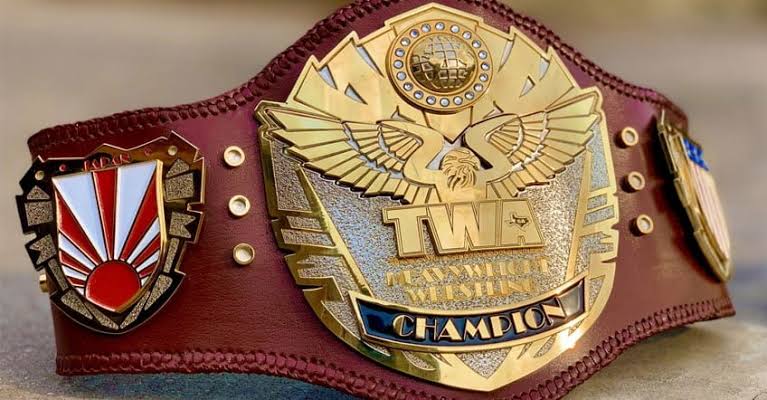
Center plates with gold toning provided a distinguished look, and detailed center plates showcased the name of the championship or the organization. Some of the designs featured stars, eagles, flags, crowns and other symbols that were related to their promotional identity. Artwork was then introduced in a more complex fashion by manufacturers and designers to draw attention in the live action and photos. Many of the designs from the championships are still used today, and are also popular among collectors of classic wrestling memorabilia.
Television Changed Belt Presentation
Television changed the game of pro-wrestling by bringing champions and titles to people outside of the ring. Watching the games, viewers would be able to tell championship belts during the interviews, games, and promotion. The cameras also caught artwork on plates, metallic finishes and championship names, leading to the creation of more eye-catching designs for promotions to invest in. A unique belt enabled viewers to make quick identification of a title even if they only viewed a portion. The television allowed the belt to become a platform for the awards ceremony and an integral aspect of the wrestling image.
Building Recognizable Championships
Consistent artwork, logos and presentation helped to create recognizable identities for major wrestling organizations. Some fans started to link certain belts with certain promotions, champions, and significant eras. Promoters also created new designs to accommodate changes in branding or championship status. These changes provided a chance for organizations to update their appearance, but still keep links with previous traditions. The belt might be something to remember outside of the ring, simply because fans might have encountered it in advertisements, catalogs, magazines, and televised events.
Iconic Designs Across Eras
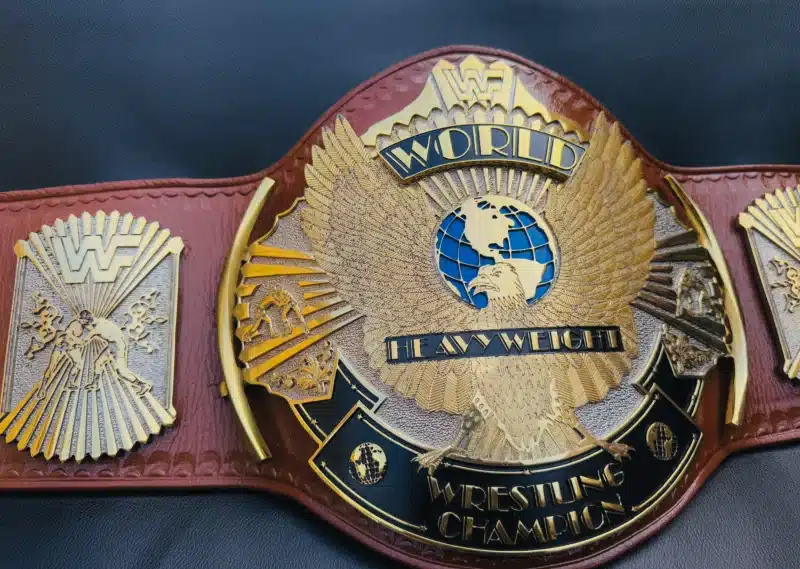
Traditional heavyweight championship belts had elaborate engraving, a large centerplate and standard metallic finishes. They took pride in their designs, which featured bold text, ornate borders, and familiar symbols. They also looked like the fashions of their time. Classic heavyweight models remain popular with collectors as they bridge the gap between past and present fan generations and the long history of professional wrestling and its championships.
Modern Championship Styles
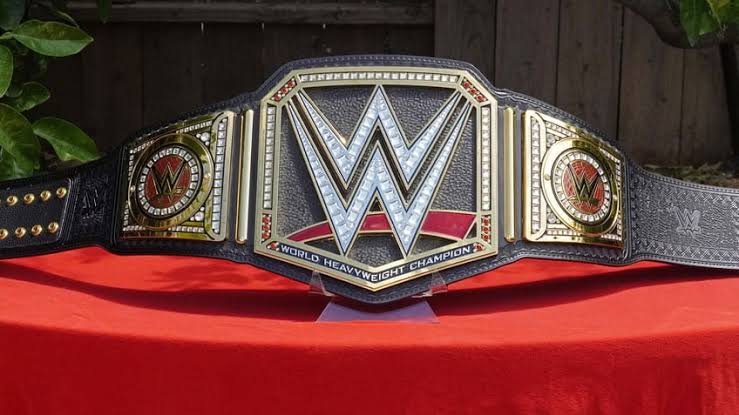
The modern wrestling promotions play with shapes, colors, finishes and graphics. Some belts still feature traditional gold plates, others have colorful backgrounds, oversized logos and modern artwork. Digital design tools are utilized to help designers explore intricate plans prior to manufacturers starting manufacture. While modern belts may differ in appearance from the belts of the past, they have the same primary function: to signify achievement and provide a symbol of success for a champion.
Major Wrestling Promotion Belts
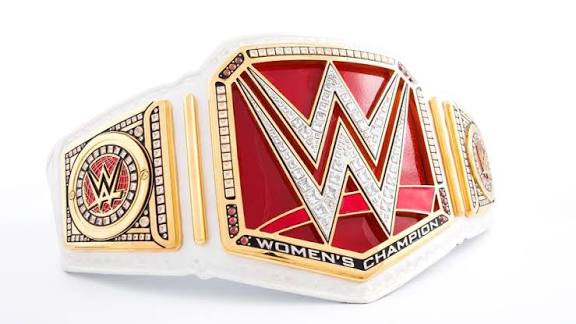
There have been several familiar championship designs in WWE’s history. The company has employed the traditional heavyweight styles, the colorful styles with a logo and modern designs which reflect the change in the branding. The championship is divided into different divisions, each with its own artwork, which assists fans to recognize each championship. Some designs were particularly iconic as they were worn by popular wrestlers during televised matches and historic matchups. The evolution of the WWE belts shows how a wrestling promotion can maintain the tradition of their championship while maintaining a new visual identity for each generation.
Other Wrestling Promotion Styles
Other wrestling organizations have also created unique designs of a wrestling championship. Belts have been given to promotion-specific titles like All Elite Wrestling, New Japan Pro-Wrestling, and World Championship Wrestling, which are defined by their own title and presentation. Some focus more on the traditional metal plates and intricate designs, while others prioritize a more streamlined layout and logo. The differences lead to more design options and collectibles for fans. With each promotion, it is significant in developing a wrestling culture where there is a close link between the participants, the competitive culture, and the prizes given to champions.
Materials And Manufacturing Changes
Throughout the years like this, manufacturers have developed new materials and manufacturing techniques for belts, creating a change in the construction of championship belts. New manufacturers can choose the actual leather, synthetic leather, Zinc alloy, brass or other metal materials as per the design and budget requirements. Better finishing techniques also enable designers to produce a more intricate art and contrasting surfaces. These advances offer promotions and collectors with additional options and still retain the big, bold look that fans are familiar with when it comes to championship awards.
Enhanced Design Technology
Today’s design technology enables artists to create detailed championship pieces using greater control of shape, lettering and decorative elements. Digital previews allow promoters to view the entire product layout before manufacturers start manufacturing. Designers can easily change the proportions of plates, logos, colors and text without having to make physical samples over and over again. Better engraving and finishing also help to display more intricate visual elements. The developments have opened up the creative possibilities and have enabled manufacturers to make belts that are more representative of the different wrestling organizations and events.
Cultural Value Of Championship Belts
The championship belt also holds more significance than just a trophy, as it becomes a symbol of competition, commitment, and outstanding performances by the spectators. The return of victory can be a significant event in a wrestler’s life, and the defense of a title can reinforce a wrestler’s credibility. A belt can be a favorite wrestler, a historic match or a memorable time in wrestling to a fan. These relationships add emotional resonance to a championship award, and make it a culturally significant prize.
Collectors And Wrestling Memorabilia
Some fans look for vintage versions, where others look for the current versions and custom designs. Putting up a belt with photos, event programs and other memorabilia can provide a personal history of wrestling memories. When buying art pieces, collectors frequently compare works to others, materials, manufacturing process and even historical context. This interest keeps the love for older championship designs and promotes the younger generations to learn about the history of wrestling.
Belt Design Changes Over Time
There are a number of reasons why championships designs are updated along the way, such as brand changes, new television presentations, anniversary celebrations, and the creation of new title divisions. A brand-new logo could need new artwork, and a special event can make for a limited edition logo. Older belts are also updated by some organizations to connect with the contemporary readers. But designers will sometimes stick with symbols or traditional shapes that are familiar to them for continuity. Such choices play a role in achieving a balance between innovation and established fan familiarity that is crucial for promotions.
Balancing Tradition And Innovation
Good designs for championships are often a mixture of familiar features and new visual ideas. The use of traditional materials, including leather straps, metallic plates, and engraved lettering, helps to create a sense of connection to the past of wrestling. Use of contemporary colors, current logos, and innovative shapes give a modern look. By offering a delicate balance, one can attract new fans but still respect those who are loyal. This way, you can maintain the recognizability and the relevance of your championship awards.
Final Thoughts On Belt History
The history of wrestling championship belts is a tale of the evolution of professional wrestling from its competitive roots to the present day as an international form of entertainment. Championship belts have been updated over the years, with a variety of different designs, materials, manufacturing techniques and promotional identities. But it is always the same thing that they are celebrating: achievement; and that’s making a meaningful mark on success. Whether it’s a classic heavyweight or a more contemporary championship style, they remain a way for wrestlers, promotions, collectors, and fans to share common memories and a sense of appreciation for wrestling.