Blog
Wrestling Belt Plate Designs

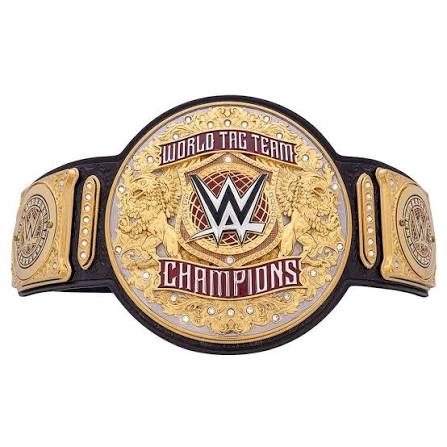
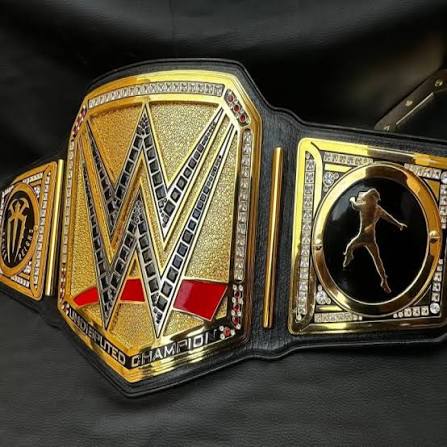
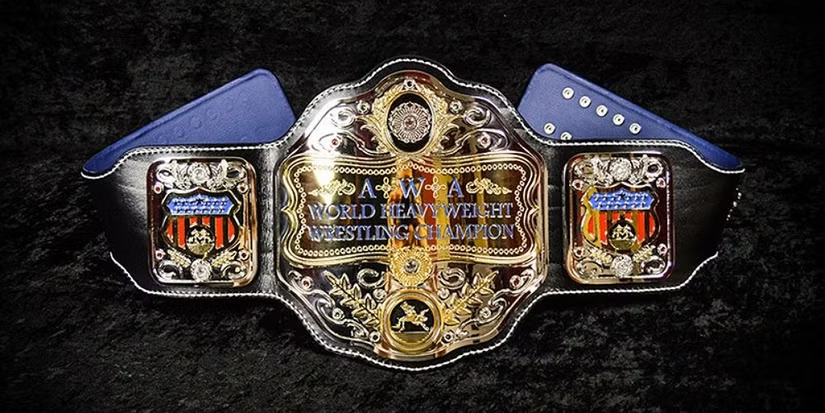
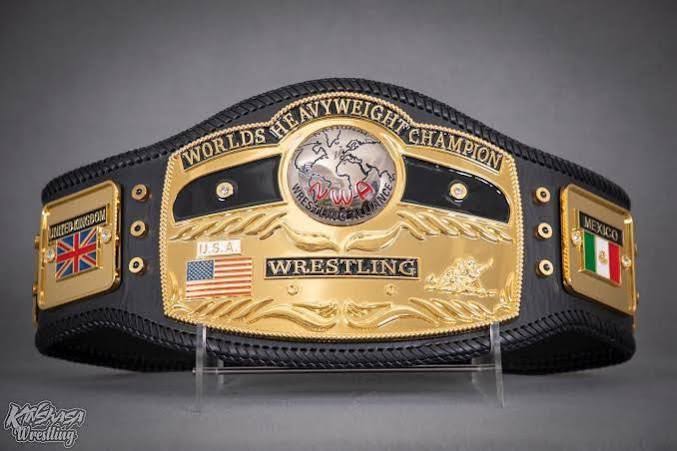
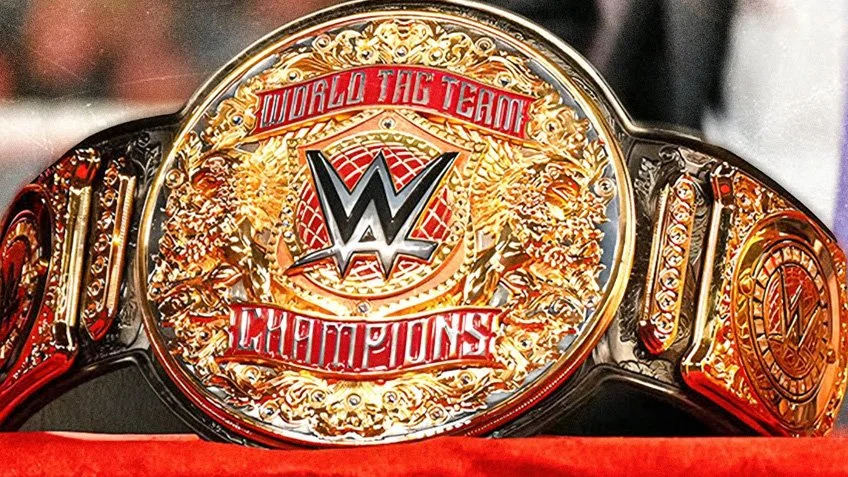
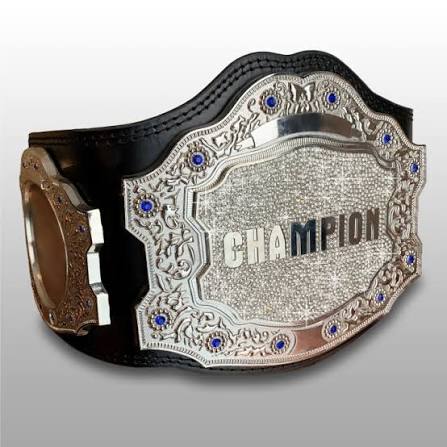
The center plate is the most important component of a championship belt, making it easy to identify and notice by its size, artwork and decorative features. Typically it will feature the championship name, promotion logos or main logo. This is a crucial feature for fans to identify a title, even from afar. Shapes, lettering and decorative patterns are used to give a designer a strong impression. A center plate that is well planned out will balance all of the elements and will provide a unique look to the belt that is appropriate for the championship level.
Importance Of Side Plates
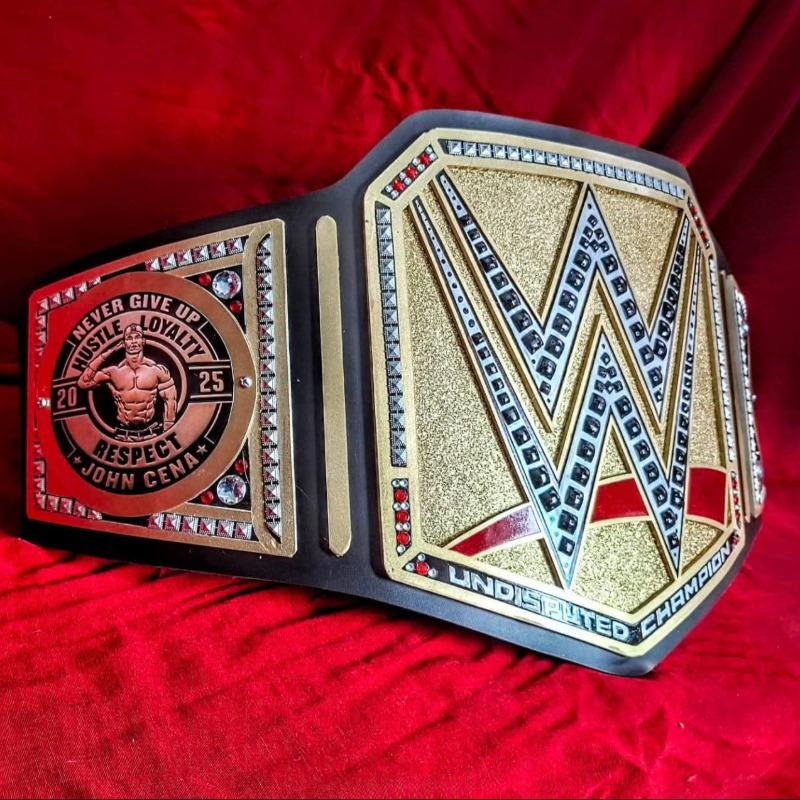
The remaining design elements are added with side plates that balance the overall design around the center plate. Usually, they are smaller logos, ornamentation, symbols or customized information. Matching side plates are sometimes used for some championship belts, and sometimes different artwork is used on each side. They affect the effectiveness of the belt and its overall appearance. Designs should take into account the connection of side plate features to the main design and not view them as separate decoration. A uniform format results in a streamlined championship design.
Exploring Wrestling Belt Plate Designs
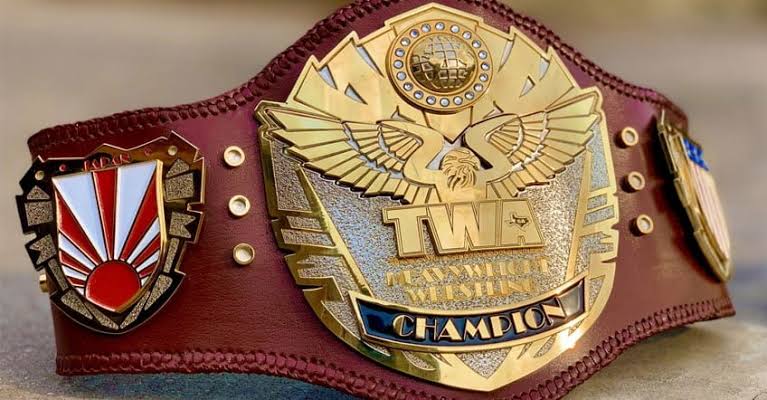
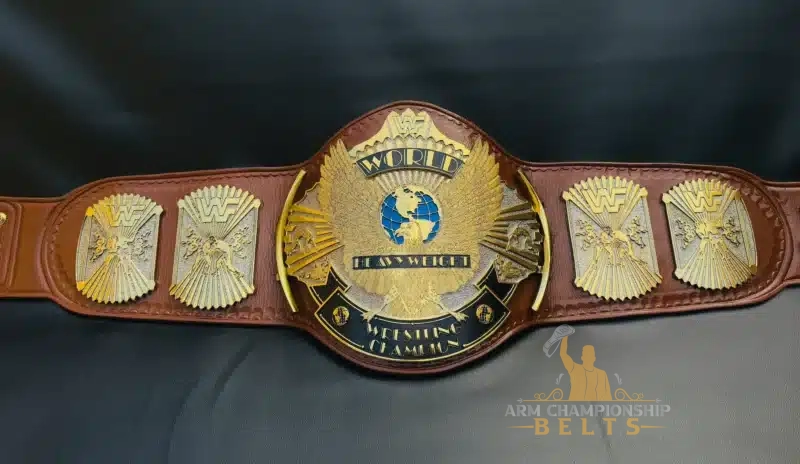
Traditional gold plates are still popular as they will help deliver a classic championships look. These designs are usually embellished with engraving, decorative edges, stars, eagles, crowns and elaborate designs. They have a warm finish with a metallic tone, which adds to the belt’s prestigious appearance, which many fans of wrestling would love. Raised artwork is also sometimes employed to give depth to some of the classic styles. They can evoke the spirit of previous wrestling championships and iconic matches, making them a favorite for collectors of vintage wrestling.
Modern Championship Plate Styles
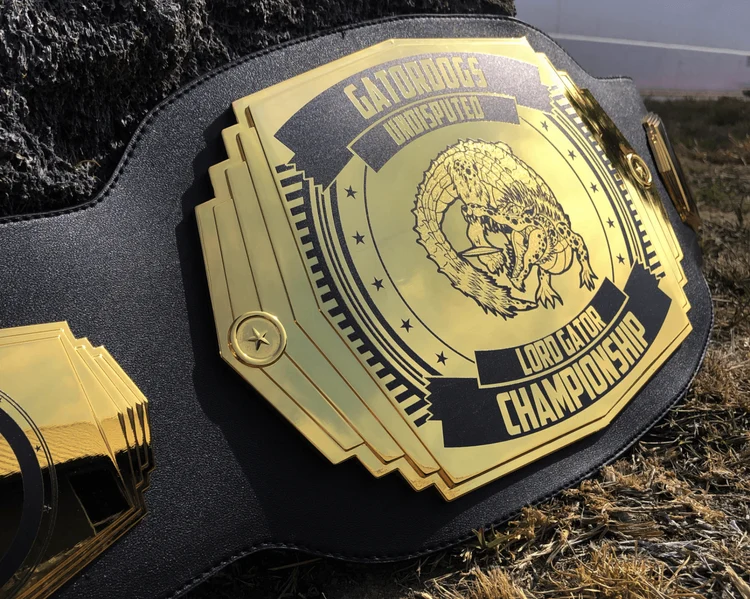
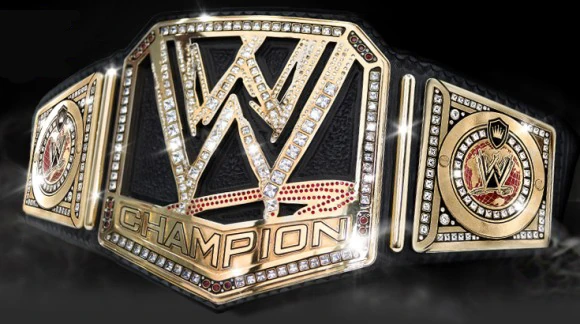
The modern designs of plates incorporate strong logos, legible lettering and unique shapes. Modern look can be achieved by using larger center plates, sharp edges and colorful backgrounds. Some promotions like to be simple and have a lot of brand identity, others may have more art work and borders. Artists can use digital design tools to try out various configurations during the design phase. These contemporary styles are suitable for enthusiasts that appreciate modern wrestling presentation, and who wish to be able to use a new-looking championship belt.
Classic Oval Plate Shapes
Oval center plates have a traditional style that will match many wrestling championship styles. The curvature of their outline allows for a central emblem, team name and art design. Smaller graphics can be positioned around the main design without it becoming overcrowded. Rectangular or curved side plates will also work well with oval plates. Together, this makes for an even look down the strap. Oval designs are a popular choice among fans of classic championship artwork due to their timeless appeal.
Shield And Eagle Shapes
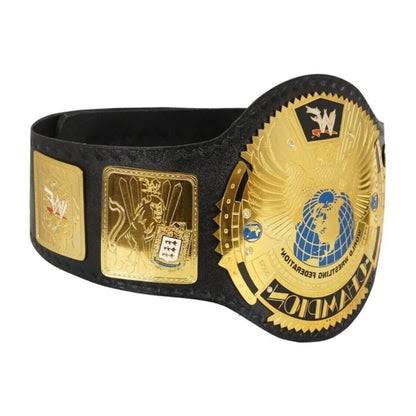
The shield design offers a distinctive look and provides a focal point for logos and text in the center. Artwork for eagles can bring prestige, strength and competition. Designed can use these symbols as well as stars, flags, wings, or borders for a recognizable championship identity. The shape should complement the artwork, not overwhelm it. The center plate can be highlighted with a carefully designed shield or eagle pattern, and still maintain the balance of the belt visually.
Brass And Metal Options
Championship plates are typically made of various metals and metal compounds. Brass has a traditional look and can be used with a number of decorative finishes. Other metals might contain different kinds of weight, strength and surface detail. When selecting a product, photographs alone should not be relied upon as a representation of what the product is comprised of. The thickness, the edges and the quality of the overall construction of the plate also affect the quality. These features can be compared to help customers select the belt that fits their budget and preference.
Acrylic Glass and Lightweight Materials
A few manufacturers make decorative and inexpensive championship belts that are acrylic or other light weight materials. Such options can be used to create colorful artwork and can work for events that are not heavy metal plate. They can also be used in children’s tournaments, schools, and short-term prizes. But lightweight materials might give a different look and feel to metal! Buyers are advised to read the “product description” and the pictures thoroughly. The type of material used will depend on the use of the belt, the handling it will endure, and budget limitations.
Finishes And Decorative Details
Championship plates can appear very different with metallic finishes. Gold gives a classic and classic feel while silver gives a clean and shiny look. Chrome finishes can create a high shine surface that will catch the eye when used in event lighting. Some designers will use two finishes to create a contrast to the center artwork and the surrounding details. The purchaser is advised to check in the product photos as lighting can vary the appearance of metallic surfaces. The belt finish needs to match the colors, logo and theme of the belt.
Engraving And Raised Artwork
Engraving can include any lettering, symbols, borders or decorative patterns on the championship plates to add detail. Raised artwork gives dimension and makes parts of the design more visible. Manufacturers can also incorporate engraved lines with polished surfaces to create a desirable contrast. Small details should be designed in such a way that people can see and understand them. Too much ornamentation can create a cluttered look on the plate. A well-balanced approach provides space for all the symbols to be seen and makes the presentation more aesthetically pleasing.
Custom Wrestling Plate Ideas
Custom plates enable organizers to design championship belts that are representative of their groups, events or competitions. They might contain a tournament name, an organization logo, a champion’s nickname or significant date. A well-designed logo makes it easy for people to identify the award, and concise wording makes it easy to read. Check for spelling, placement of the logo and artwork size prior to approval for production. Send good quality logo files to the designer, if possible. These details will be used to make a personal championship belt that looks professional.
Selecting colors and symbols
The colors for a championship belt are used to help identify the belt and its theme. The color combinations of gold and black will make for a bold traditional appearance, while silver and blue will give you a modern and cool appearance. Designers may also add stars, crowns, eagles, shields, or other symbols that are similar to the event. Too many colors and decorations, however, can detract from the main logo. Choose a minimal color range and incorporate key design elements in both the center and side plates.
Matching Plates With Straps
Traditional Metal Championship Plates go perfectly with Leather Straps. Gold and silver are in sharp contrast to black leather, and brown leather provides a classic look. There are custom designs that involve the use of colored leather that will match a promotion’s or event’s theme or branding. The strap width and size of the plates should complement each other to produce a comfortable and balanced belt. Stitching and edging are also important factors in the designer’s decisions. A good setting will ensure that the plates are pronounced but not make the belt uneven.
Matching Modern Strap Colors
Contemporary championship belts can be made with dramatic and striking belt colors. Red, blue, white and black straps are available for different design options with the logo and plate finish. A colorful strap can be used to signify a theme for a tournament or a team logo. The colors should, however, be complementary to the center plate, not in opposition to it. Review the entire design before production and see how all the elements contribute to the design. To get a better visual effect you should have a consistent combination.
Checking Plate Thickness
The thickness of the plate may affect the overall appearance, durability and weight of the belt. Thicker metal plates can provide more weight, while thinner plates can provide better handling qualities. When the information about the product is not clear, the buyer should ask questions and compare the manufacturer’s measurements. The edges of the plate should also be even and smooth. Don’t opt for a heavier one if it’s not for a particular purpose. A display belt might be appropriate for varying specifications as against a belt that the participants use regularly for competitions.
Reviewing Overall Craftsmanship
All the details of the plate look clean and consistent with good craftsmanship. Before buying a belt, look at the lettering, engraving, edges, surface finish and connection areas. Check for uneven polishing, artwork that is not clear, rough edges, and/or manufacturing errors. Request close-up pictures from the seller if they don’t include enough details. Look at the same product from different brands, rather than price. When buying a championship belt, it is important to take the time to examine it and choose one that fits the expectations.
Final Thoughts On Plate Designs
The artwork of a great championship is a mix of pleasing shapes, appropriate materials, harmonious colors and pronounced decorative elements. Traditional gold plates have their own possibilities, as well as custom layouts that can be incorporated for modern events and wrestling fans. When looking at the various wrestling belt plate designs, you should take into account the central design, side plates, metal finish, strap combination and the quality of workmanship. Pick out elements that are representative of the identity of the championship rather than excessive adornment. With careful planning, an ordinary award can become an award of achievement.