Blog
Wrestling Belt Materials

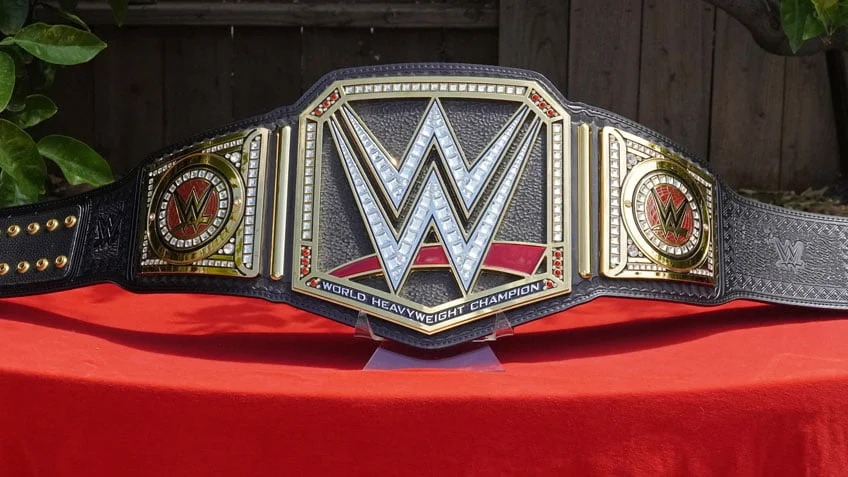
The things used to make a championship belt affect the look, durability, softness and worth of the belt. A beautiful piece of artwork on the belt might catch people’s eyes, but the actual material of the belt will determine its durability. Presenters of events require reproduceable materials, and collectors will look for quality finishes and durability in their exhibits. Knowing what every element is will help consumers make informed comparisons. When selecting a design, take into account the use for the belt, how you expect to handle it and the budget available to determine which material combination will work best.
Main Components Of Belts
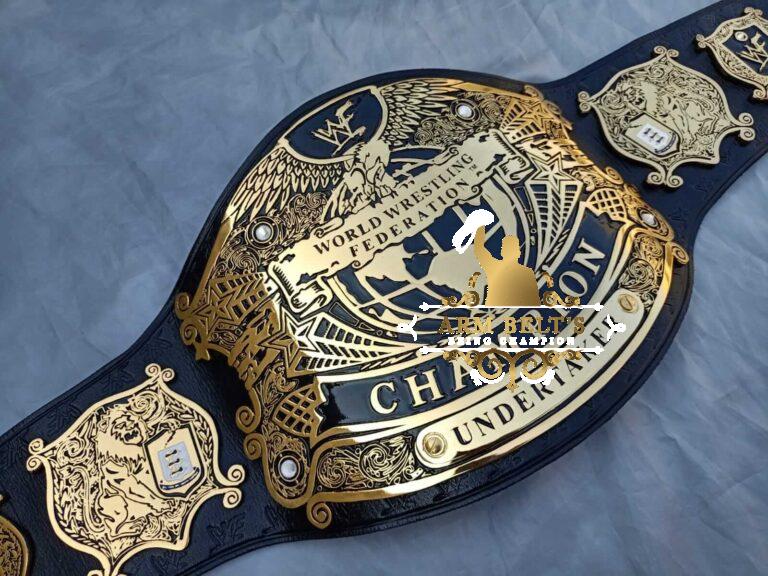
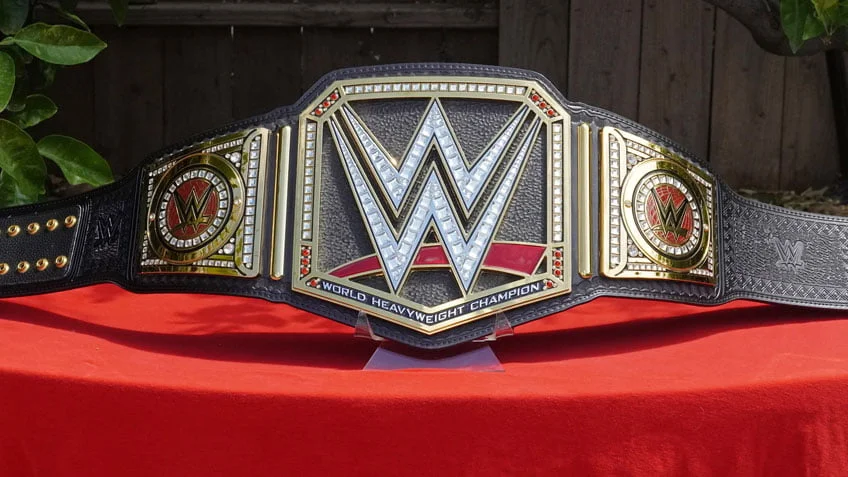
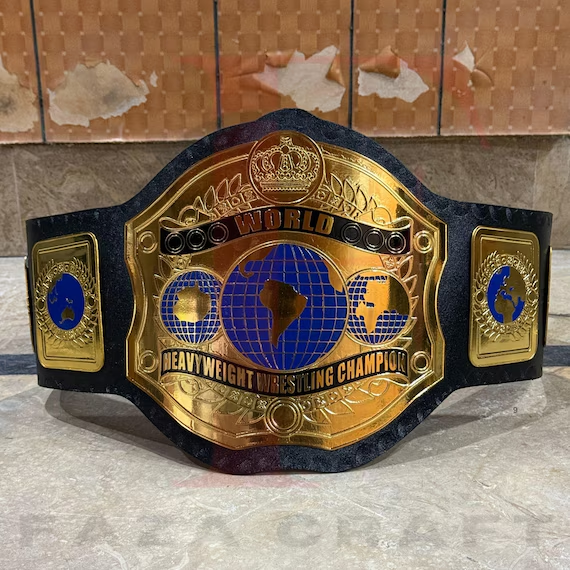
Typically, a championship belt consists of a strap, metal plates, decorative elements, and hardware that join the belt together. All parts are used for a different purpose and create a different finish. The strap holds up the plates and offers flexibility, the metal parts hold the primary artwork and the championship identity. Colors, shine and texture are used in finishes to enhance the visual appeal. Others can also have decorative stones, etched designs, raised lettering or combinations of these. These components can inform buyers of the quality differences and enable them to make informed choices in comparing designs.
Understanding Belt Strap Materials
True leather has a traditional look and feel with natural texture and is a high-quality material. It has classic appeal amongst many buyers, particularly for use for special events or for long-term collection. Another alternative is synthetic leather as it can deliver high-quality finishes in a more economical way. The materials are also available in varying thicknesses, textures and quality. The flexibility, stitch, surface and maintenance should all be compared before choosing a strap. This will be based on personal preference, purpose, and budget.
Selecting Appropriate Strap Thickness
The thickness of a strap has to do with its flexibility, support and how it looks around the waist or on a display stand. A stouter strap will offer a solid framework to heavier plates, and a thinner strap will be easier to handle. But if the belt is too thick, it will not be as flexible and may not be comfortable to wear. Before purchasing, buyers should take into account the weight of the plate as well as its dimensions. A balanced strap helps to hold the design in place without adding any stiffness or making the championship award cumbersome.
Exploring Common Plate Metals
The strong look associated with championship awards is produced by metal plates. The manufacturers can make it using brass, zinc alloy, steel or other metal combination as per the design and cost of the product. The qualities of each material varies in weight, strength, finish and cost of production. Buyers are advised to inquire with suppliers regarding the exact composition of the plates, rather than rely on photographs. This information allows a customer to see the differences and select an appropriate product for their collection, tournament or promotion.
Checking Plate Thickness And Weight
The thickness of a plate might have an affect on the structure, weight, and general appearance of a belt. Heavier plates can produce a great deal of weight, whereas lighter plates can be easier to handle and wear. But weight is not the best indicator of quality. The metal material, edges, engraving and attachment points should also be considered by the buyer. A good design will spread the weight of the strap evenly and keep it at a comfortable size. When ordering the belt, request measurements and weight information from the manufacturer, particularly if you intend to wear the belt in normal events.
Comparing Popular Surface Finishes
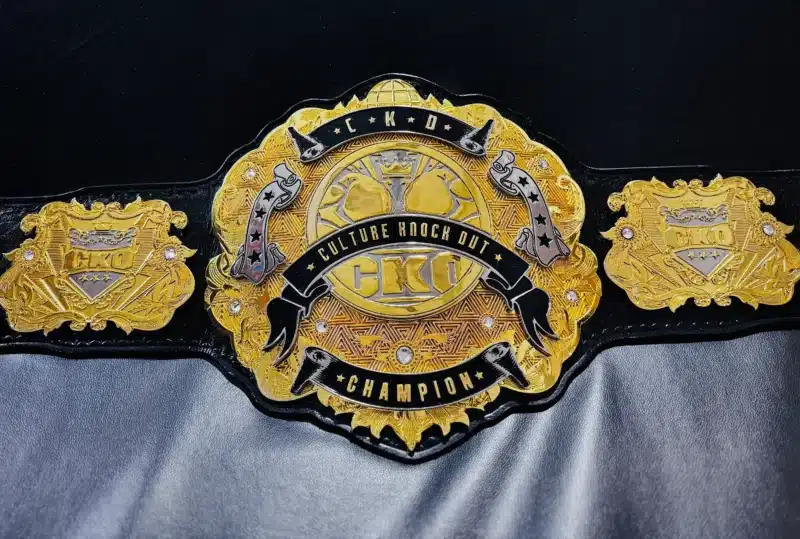
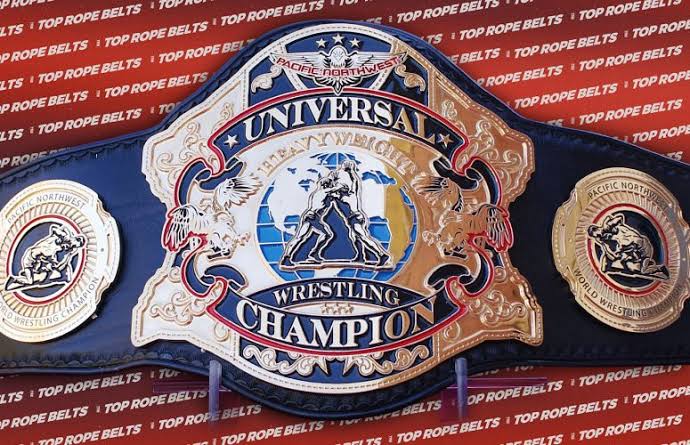
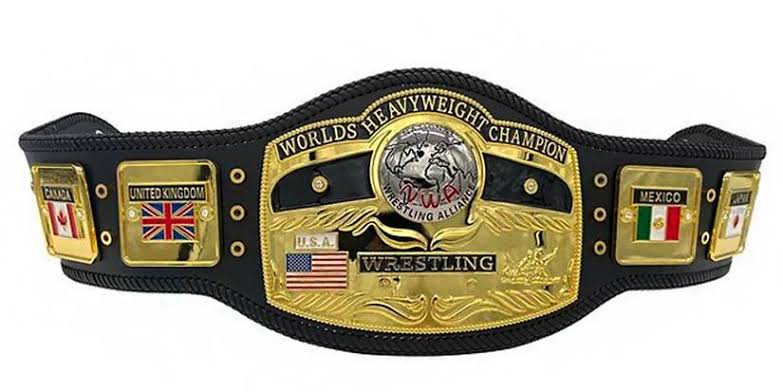
Championship belts have different styles of finishes such as gold, silver and nickel. The use of gold will give it a classic look, one that many gold wrestling fans can relate to with the bigger wrestling titles. Silver will lend a sleeker, cleaner appearance and nickel will give a shiny metallic finish. Others can pair various finishes with each other to achieve a contrast between the center plate, the side plates and the decorative borders. It is advisable for the buyer to take a close look at the photos to be able to gauge the quality of the finish. Select a style that will complement the belt’s design and ensure uniformity throughout the metal areas.
Polished And Antique Finishes
Polished finishes result in a shiny surface reflecting light and accentuating decorative details. Antique finishes lend a darker look that may help add depth to engraved art and raised lettering. Recessed and polished edges can sometimes be mated in the same piece with a darker hue to create a unique contrast. They will give different looks when finished, so make sure to view samples or detailed photos before making a selection. Think about the way the belt looks when it’s lit by event lighting or put in a display cabinet. Effective finishes can enhance the design without being over decorative.
Reviewing Decorative Belt Details
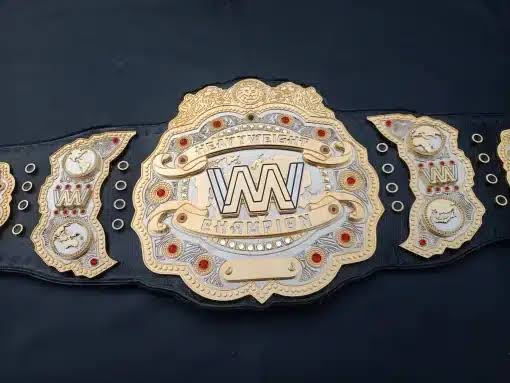
Some championship belts have decorative stones, crystals, colored accents, and small decorative elements. These details can give the center plate a luxurious look, and make it stand out. Buyers should verify placement, attachment and consistency of these elements, however. Fittings must be securely fitted and could cause maintenance issues, if not fitted properly. Select details which carry the theme of the belt rather than overcrowding the artwork. A balanced design is used to add decorative elements, but still allows the championship name and main logo to be easily seen.
Engraving And Raised Lettering
Raised lettering and engraving add dimension and style to metal plates. Engraved details form lines, patterns etc. on the surface and raised elements rise above the rest of the plate. These techniques can reveal logos, championships, borders and decorative symbols. People who want to buy the item should check the clarity of the lettering and its sharpness before making a decision. The more details you include, the easier it will be to read and look more professional. Request close up photos from the supplier that you can scrutinize the finishing, instead of looking at product photos from a distance.
Selecting Materials For Different Purposes
When choosing awards for the championship, the event organizers should consider the strength, handleability and appropriate construction of the awards. The belt should be flexible and have sufficient support for the wearer so that the belt can be used during presentations, photos, and celebration. Metal plates should also have a balanced weight which is easy to handle. Organizers need to think about how often the winner will be using the award and where it will be being stored in-between events. Convenient materials enable the belt to retain its appearance and assist with the activities that contribute to the memorable experience of each championship.
Belts For Personal Collections
Collectors may be more interested in the artwork and finishing than in wearing comfort. A wrist strap with metallic plaques and a nice dark green leather strap can be a grand piece of a wrestlers mementos. But, collector should still verify construction quality as poor materials may impact long-term appearance. Before buying, think about the amount of space needed, the size of the belt, and the storage capacity. A proper mixture of the material can be used to make it fit in with other collectibles, and have a design that represents the wrestling history or championship that you are interested in.
Maintaining Championship Belt Materials
If you clean it regularly, both the appearance of the strap and metal plates will remain. To dust and fingerprints off metallic surfaces use a soft dry cloth. Use a leather cleaner formulated for leather case straps to clean leather case straps, and do not use harsh cleaners which could affect the finish. Some synthetic materials may need different types of cleaning, so be sure to check the specific requirements prior to applying any solution. Avoid moisture in metal attachment or ornamental areas. Gentle care can help keep the belt looking good without the need for excessive wear.
Protecting Belts During Storage
Championship belts should be stored to prevent them from being damaged by dusting, scratching, moisture and misadventure. Store the belt in a dry place and don’t stack heavy objects on its plates or strap. The padded case could help to protect the item during transportation, and a suitable wall mount or display cabinet could help to maintain its presentation over time. Don’t leave in direct sunlight for long periods as this can have an impact on the finishes of some straps. Inspect the belt periodically for loose decorations, marks on the belt surface or changes in the condition of the belt.
Making A Better Material Choice
Don’t always assume that the higher cost equals the quality of the construction work; inspectors should evaluate the materials and product capabilities. When deciding, look at the characteristics of the strap such as the composition, thickness, finishing and decoration of the plates. Inquire with suppliers about any ambiguous specifications and get detailed close-up photos of the finished products. When working out the total budget, add shipping and customization costs. When making a purchase, a careful comparison allows the buyer to determine the products they are purchasing have the right quality without unneeded costs. Pay attention to the relevant features for the use you have in mind.
Selecting A Trustworthy Manufacturer
A good manufacturer will provide information on material choices in an understandable way and respond to questions regarding construction, finishing, and production. See past projects and evaluate their finished belts. Customer feedback can also supply valuable insights regarding communication, packaging and delivery. Inquire if the supplier provides design previews and provides the possibility of making changes before production. Make sure to clearly and in writing confirm the agreed materials and specifications. With a little research, buyers may discover a manufacturer that will meet their expectations and provide them with a belt that is compatible with the approved design.
Final Thoughts On Belt Quality
A championship belt is made of the right combination of materials that appear, hold up and are of use. Before purchasing, you should research the various types of straps, metal plates, surface finishes and decorative details. Consider the purpose behind the belt: an event, everyday use, or for personal adornment. Read specifications and contact manufacturers regarding ambiguously described features. Wrestling belt buyers can know the materials used in the belts, understand what they should buy, and be able to choose a championship belt that is not only beautiful, but also has a stable structure.