Blog
How to Design a Custom Championship Belt


How To Make A Championship Belt
The first question to ask if you’re looking to make a championship belt is why. A wrestling promotion might require a world title, tag team title or special event award. A company may wish to have a special award for staff accomplishments, and a sports club may have a belt for the tournament champion. Every design decision is based on what you want to accomplish, whether its the primary logo or the shape of the plate. Identify the specific event, the person being addressed, and the overall concept of the work of art before examining artworks. Good planning provides your project with a definite direction.
Determine Your Target Audience
Consider those who will wear or wear the belt. Traditional championship details, bold lettering and symbols that are familiar to wrestling fans are appreciated. Professional dressings in corporate colors and style would be more suitable for business. Bright colours and creative artwork are suitable for younger players. Think of the context and audience when choosing a style. This way you can make an award that’s meaningful instead of picking out any decorative aspect that’s random. The design which is connected with the audience makes a deeper impact.
How To Make A Unique Belt Shape
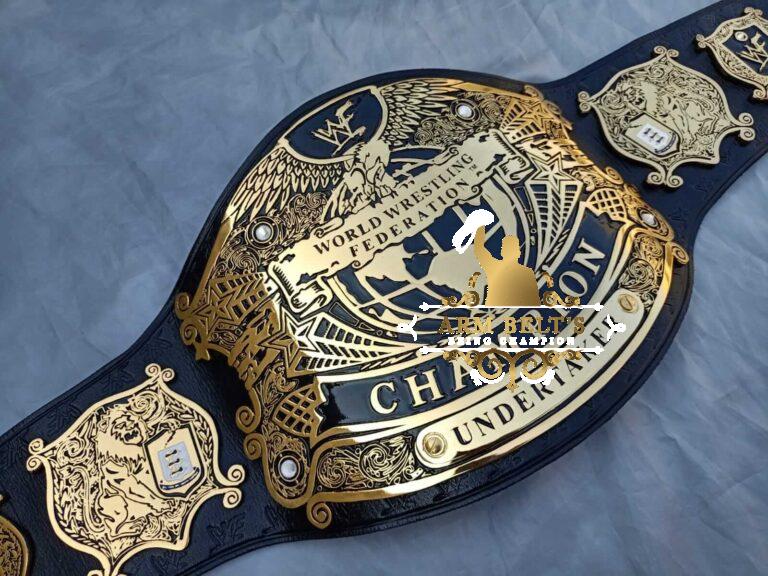
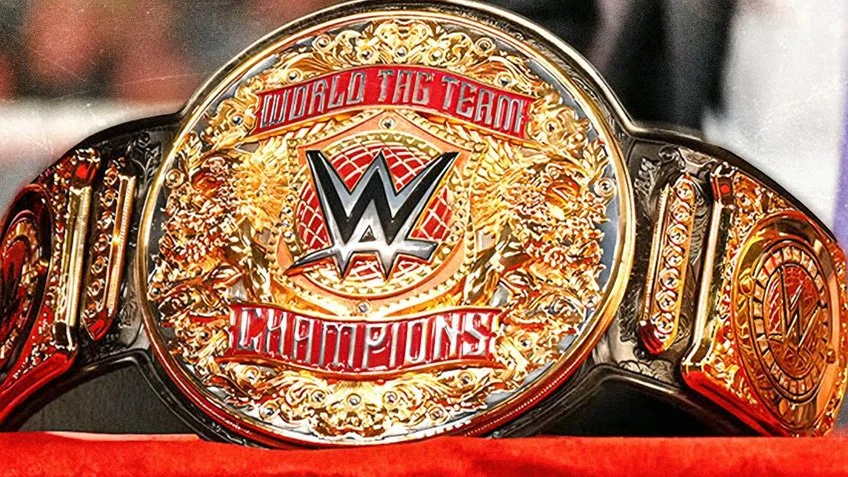
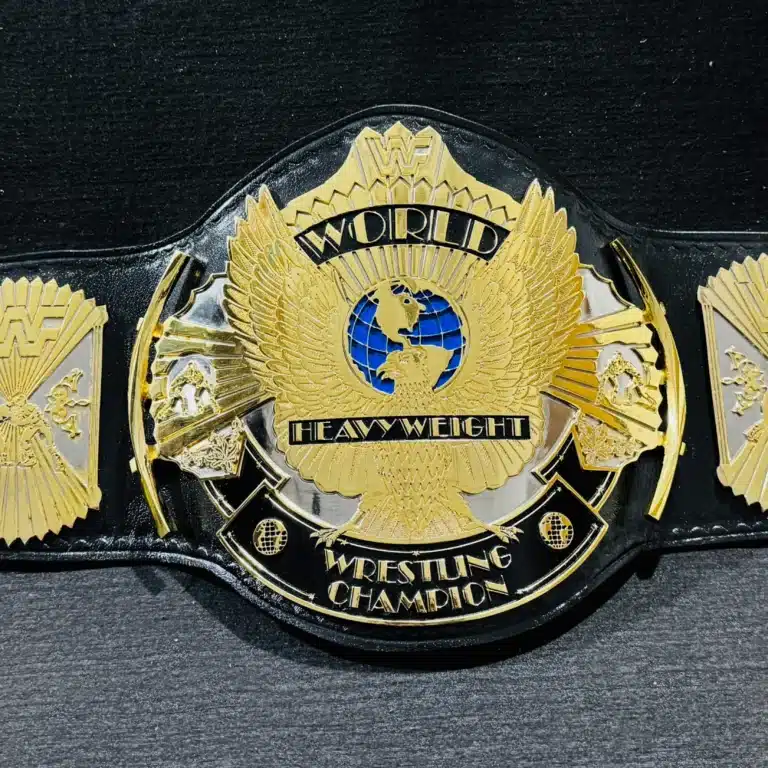
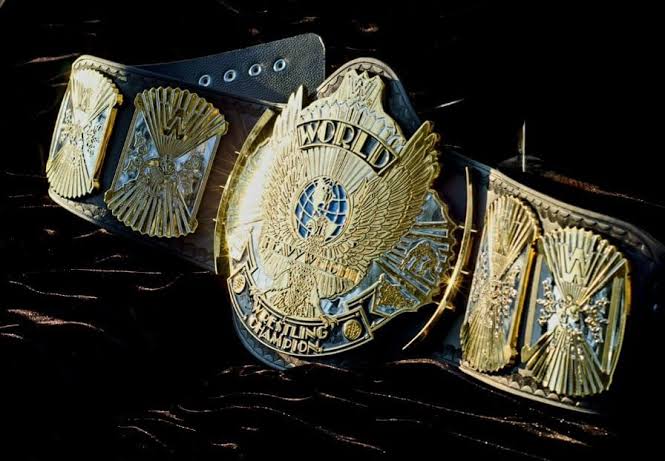
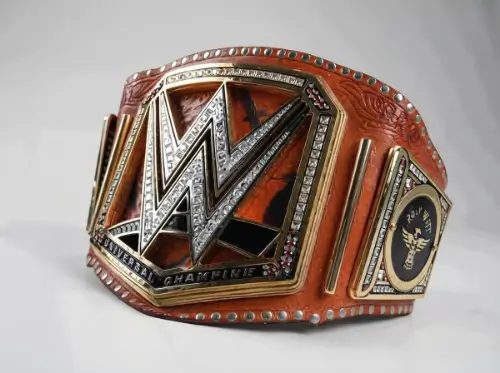
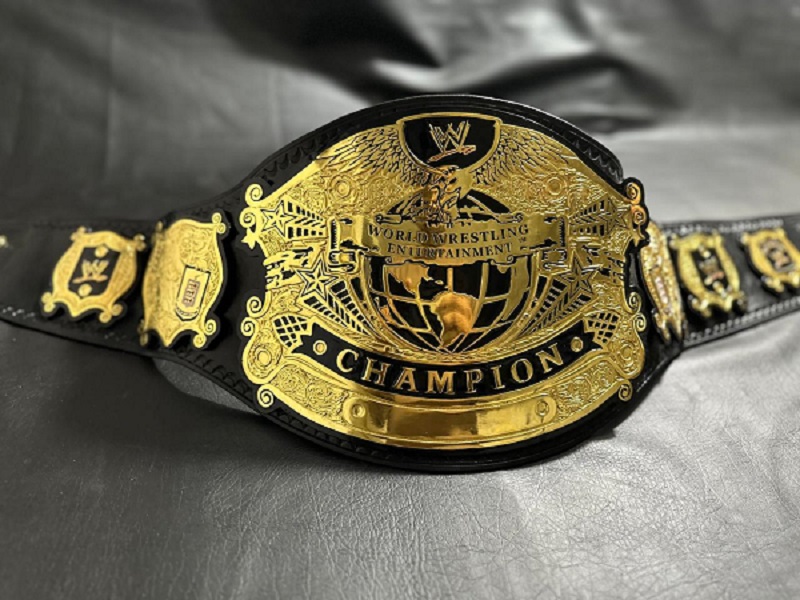
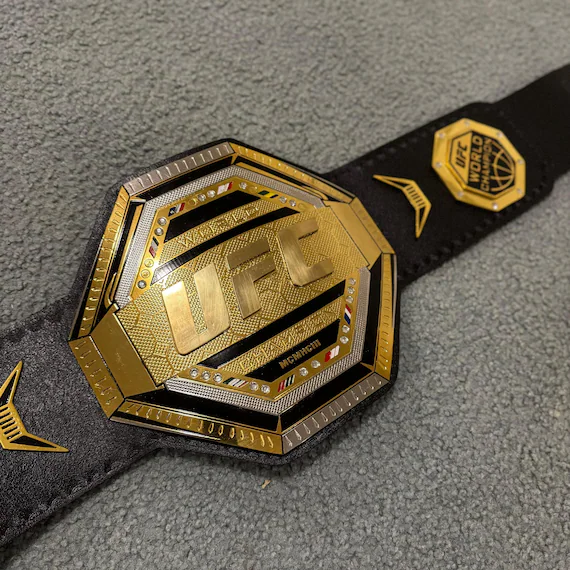
The center plate is likely to be the focal point and make it distinctive and memorable. The plates are typically large, oval, rectangular or shield-shaped, as seen in traditional designs. New ideas can involve developing a custom outline which incorporates a company or sport logo or event theme. Draw some sketches and then choose your favourite one. Ensure that the shape has sufficient space for the main title and artwork. A balanced center plate will serve as a focal point and add an organized “finish” to the overall appearance of the belt.
Create And Execute A Plan For The Side Plates
Side plates hold side up the central design and give additional room for logos, symbols and decorative patterns. Matching shapes can be used for a classic look, or you can opt for various outlines for a more creative look. Ensure that their artwork matches the main plate and they have one continuous design for the belt. Don’t use too much text or graphics. Rather, choose a couple of significant elements that advance the central theme. Chiseled side plates that are well planned in are an add-on that help add some character without taking eyes off the championship title.
Choosing Colors And Finishes
Select colors for your color scheme that represent your event, organization, or championship. The gold and silver colors are used to give the belt a classic look; black, blue, red and other colors will give the belt a different look. You can also incorporate your company or team’s colors to establish a recognizable design. Keep the colors in the palette limited to just a few complementary colors to insure clarity. Think about the colours in relation to the strap and metal plates. This uniform color palette will create a memorable and professional look for your belt.
Explore Metal Finishes
The type of metal finish affects plate reflectivity and the overall appearance of the plates. Polished gold is a bright, traditional look, antique gold is a more aged, vintage look. Silver and chrome finishes help to create cooler looks while brushed finishes help to create a softer look. Different finishes can be used together to accentuate lettering, borders and raised artwork. Request to see samples or past projects from your manufacturer. Pay attention to the different options as there might be different metallic hues in the pictures when compared to the actual model.
The Design Process Of Logos And Lettering
Your belt will have a recognizable identity with a clear logo. An emblem, symbol of a company, sports team logo or original graphics made for the event can be used. Put the main logo in a prominent position (typically center of the main plate). Select painting that has crisp lines and sufficient contrast to be seen from a distance. If you are using a different logo, ensure that you have the rights to use it. A good illustration will make it easy for the manufacturer to duplicate the detail.
Select Readable Lettering
The name of the championship, event or recipient’s identity is expressed in lettering. Use an appropriate font appropriate to your theme and legible to your audience. Wrestling titles tend to look better in bold lettering, and simpler lettering might be suitable for corporate awards. Look for all words, spelling and letter formation before approving the artwork. Do not use too many fonts as it may end up looking confusing. Make the key words larger than other text. Use of typography enhances the beauty of the belt and makes it easy to read.
Materials And Details – Choosing
The appearance, weight, cost and construction of the plate will all impact the belt. Depending on the project, manufacturers can provide zinc alloy, brass, steel or other metal solutions. Different materials offer different properties, so be sure to request the specific details before deciding. Think about the detail level your art needs, and your budget. The thickness of the plates and how they are finished should also be inquired. The knowledge of these factors enables you to choose materials that will enable design without any unnecessary costs.
Pick A Suitable Strap
The strap is used to hold all of the plates together and provides the structure of the belt. Traditional leather gives a natural feel to the item, whereas synthetic leather has a wider range of colors and may be a more affordable option. Opt for a strap that matches the metal tone and image. Look for flexibility, stitching, edge finishing and buckle quality as well. Comfort should continue to be important if the recipient is intending to wear the belt often. The design should be balanced with the help of the strap, which holds the plates in place.
Adding Personalized Features To The Design
Symbols can make a belt more personalized and relate it to a specific event or organization. It could feature stars, eagles, sport gear, city scapes, or anything else that symbolizes the identity of the championship. Use symbols to enhance the central theme and not for decoration. Spend some time positioning smaller images around the center and side plates to fit in with the overall design. When designing your layout, review each symbol and ensure that they are not crowded or obscured.
Add Special Decorations
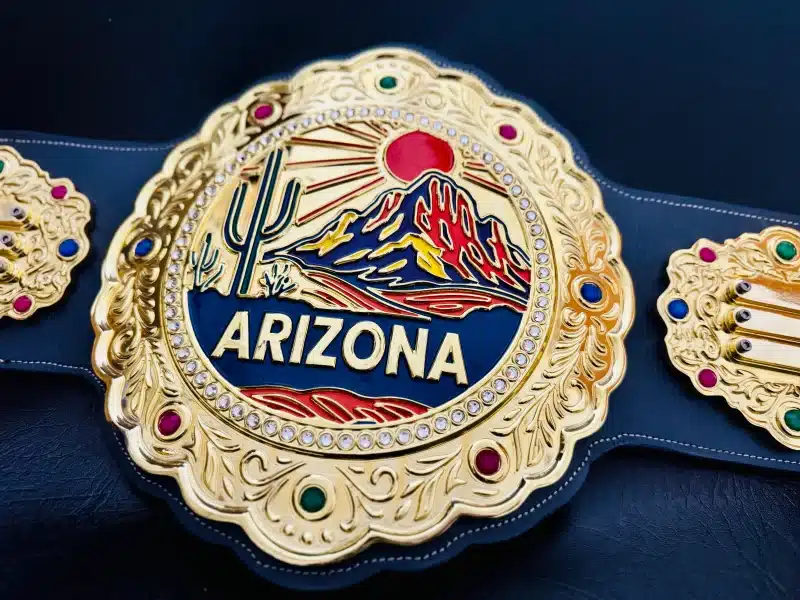
The decorative details will add a unique touch to your belt. These can range from raised lettering, engraved patterns, enamel work, decorative stones and borders. Some models are designed to have removable side plates or custom name sections too. Choose these additions according to your budget and appearance you want to achieve.
Make A Digital Mockup
The digital mock up enables you to visualize the entire belt before production commences. Place center plate, side plates, lettering, colors, in one easy layout; position strap. Use design software to organise these and a professional designer to create more detailed artwork. Be careful to look at the proportions and be sure that each of the major features has space for it. Communicate with the manufacturer about concepts and inspirational pictures. Making a mock up is very helpful to keep everyone’s mind clear and on the same page.
Examine All Design Details
Before approving production, be sure to review the final artwork. Look for the championship title, logos, spelling, colors, shapes of plates and adornments. Check the preview by comparing it to the original instructions and ask for corrections as needed. Inquire from the manufacturer about anything that seems out of the ordinary. Keep a copy of the approved artwork and written specifications for reference. By reviewing carefully, avoidable mistakes can be prevented, and it provides the production team with a clear idea of the finished belt.
Working With A Manufacturer
Select a manufacturer that is knowledgeable about the construction of championship belts, and can discuss the available design options. Examine past projects and grade on artwork, plate work, quality of the strap, and finishing. Listen to customer feedback and inquire about production processes, materials and estimated production times. A dependable manufacturer ought to clearly explain what they can do and give valuable responses rather than empty promises. Shop around for more than one supplier. This research can help you locate the professional that can transform your concept to a well-created championship award.
Please Double-Check Your Final Order
Please check all the following before ordering: Total order price, materials, dimensions, weight, personalization, and delivery date. Inquire if any artwork preparation, packing and shipping is included. Ensure that the manufacturer is aware of the accepted design and any special needs. Maintain records of significant conversations, payment schedules, production information. Please allow time for production and delivery for the belt for the specific event. Communication is key in helping you to avoid last minute issues and manage expectations.
The Last Word On Belt Design
To make a championship belt memorable, it’s important to think creatively, work out the details, and use the right materials. Have a clear objective, select an appropriate form, and develop a steady color palette. Include relevant logos, easy-to-read text and decorative elements that enhance your theme. Examine the digital mock-up prior to production and use a manufacturer who will explain the process. With a thoughtful and innovative design, a custom championship belt can serve to honor achievements, embody an entity, and serve as a lasting award for the recipient. Emphasize quality and balance!