Blog
Championship Belt Terminology

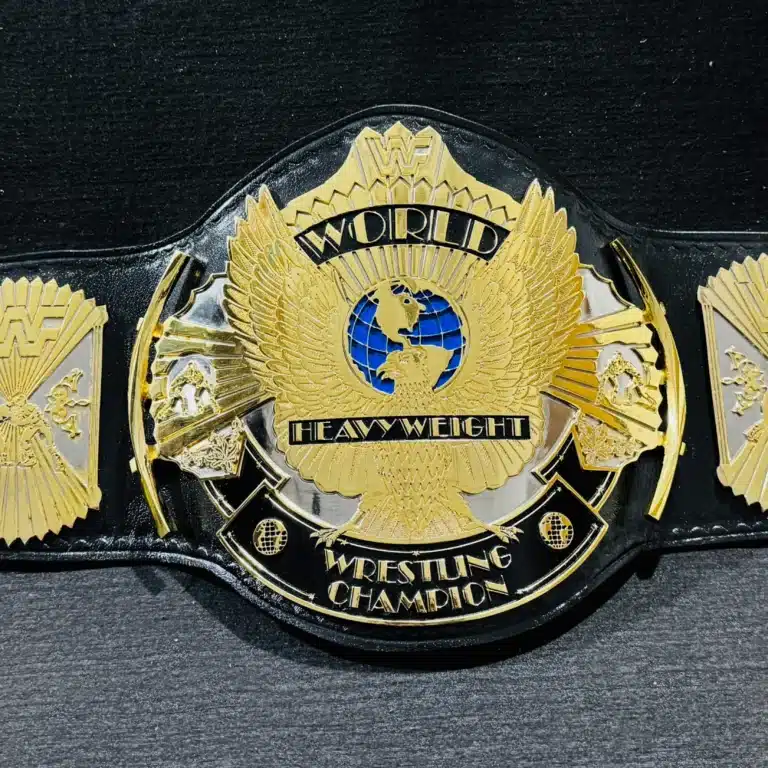
Championship belt terminology is the words used when describing the parts, design, material and features of a belt. These terms are commonly used by collectors, wrestling fans, manufacturers, and even collectors and sellers when referring to styles of wrestling. Knowing the language can help you to compare products, understand wrestling conversations, and communicate with custom belt makers. These terms can also be used for reference when looking for replicas or creating a custom. For beginners, learning the basics will provide them with a better understanding of championship belts.
Why Are Terms Important For Fans?
By familiarizing themselves with the standard terminology used in the industry, fans can better comprehend product descriptions and participate in discussions about championships. For instance, center plate and side plate illustrate different features, as do terms like strap, engraving, and replica. These are also useful in assisting the buyer to pose certain questions before buying a belt. When commenting on a design, you can talk about its shape, the finish, or its decoration instead of saying the design looks nice. This information helps collectors appreciate the differences between different championship designs and facilitates communication with sellers.
Explore Main Belt Parts
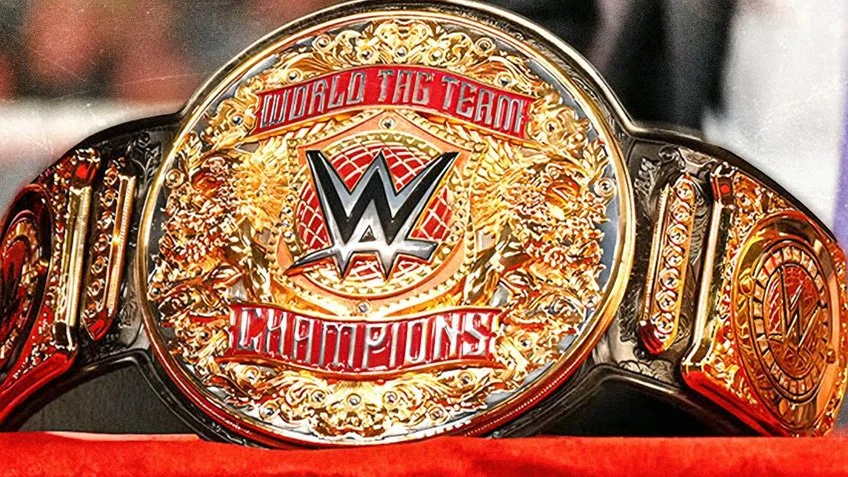
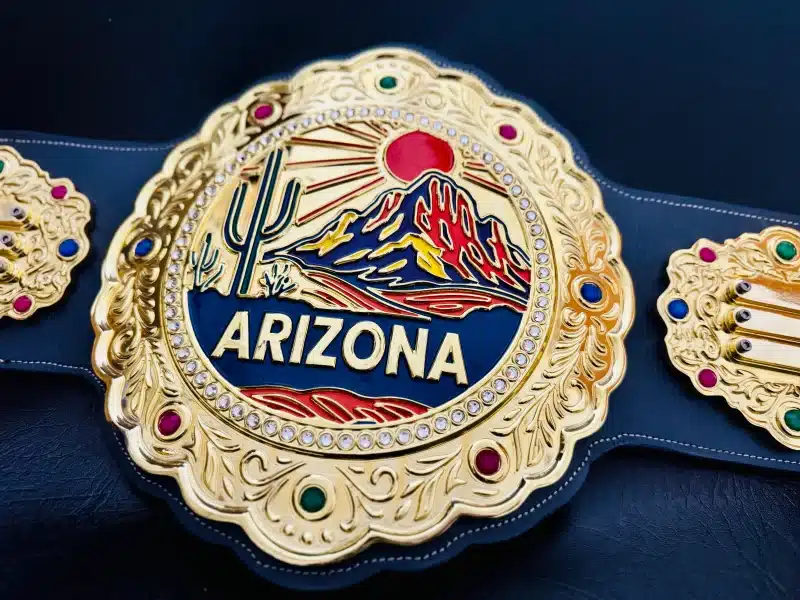
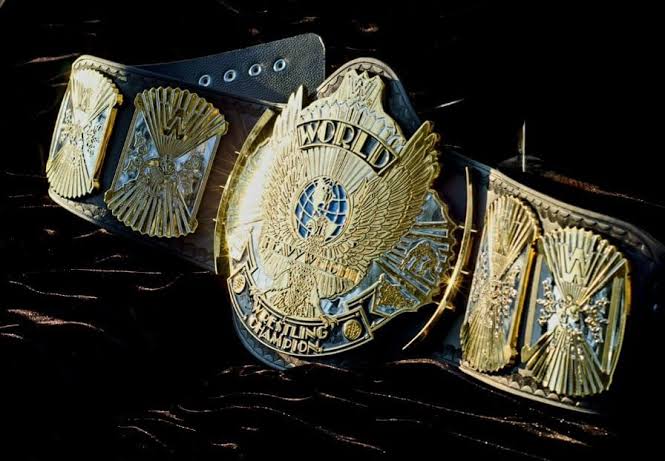
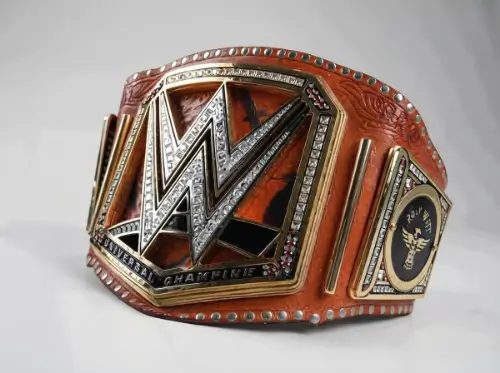
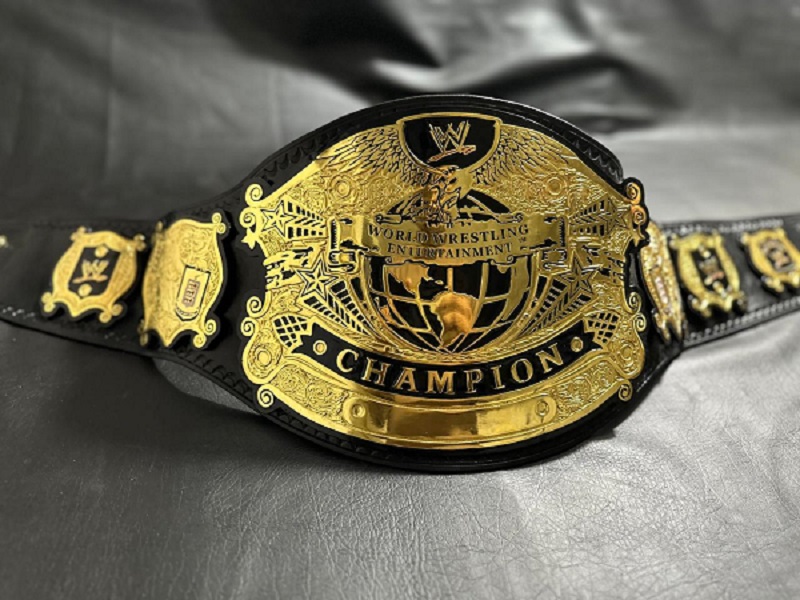
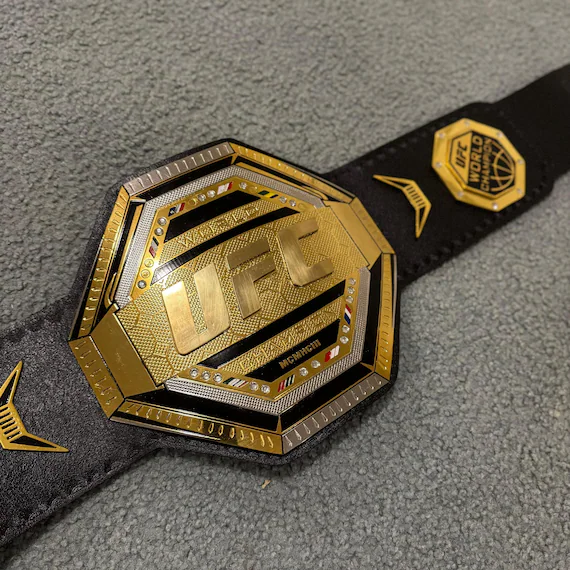
A championship belt has a center plate as its foremost visual element. Typically it includes the Championship name, Promotion Logo or main artwork. The side plates are placed on the side and serve to reinforce the design, often featuring other symbols, logos, or decorative elements. Some belts include detachable side plates so fans can make their belt look more their style. These plates are of different sizes, shapes and grouping that determines the identity of the belt. They form the design which gives the individual championship titles their recognition.
Strap And Backing Material
The metal plates are held together with the belt and provide it with the structure that makes it wearable with the use of the strap. Depending on the design and budget, manufacturers will use a true leather or synthetic material. The backing is the material beneath the strap, which can help to support it and enhance its appearance or comfort. The fit of a belt is determined by its width, length, flexibility and thickness. These are all important items for buyers to know before they order, particularly if they intend to wear the belt rather than hang it up.
Understand Key Plate Terms
Thickness of plates refers to the thickness of the metal’s feel and measure. Thicker plates can give weight and bulk while thinner plates can cut back on weight. Shape of the plates – outline and design of middle and side plates. Some belts are rectangular or curved, others have a more creative shape which fits the design of a promotion. These factors affect the way these belts look and feel. Consider size of plates and material specifications, not just by looking at pictures.
Raised And Recessed Details
Raised details are raised over the surface of the metal, giving depth to the image. Recessed details are recessed from nearby areas, and can provide depth and contrast to the artwork. These techniques are used by manufacturers to emphasize letters, logos, borders and decorative patterns. Raised and relief sections will help bring out the details of a championship plate. If you are inspecting a belt, thoroughly inspect the surface of the belt from multiple angles. Important design elements can be well displayed if there is good contrast.
Understand Decorative Features
Engraving is the process of carving lines, letters or patterns into a surface, to produce visible details. Belt manufacturers can use laser technology or old-fashioned machines to create logos, names and decorative designs. Embossing is used to create raised designs that are above the surrounding surface. Both techniques can be used to create a more interesting appearance for championship plates and straps. They can vary in appearance based on the material, tools, and skill of the maker. It is important for a buyer to look at the clarity of the lettering and consistency of the decorative patterns between different belts.
Stones And Enamel Colors
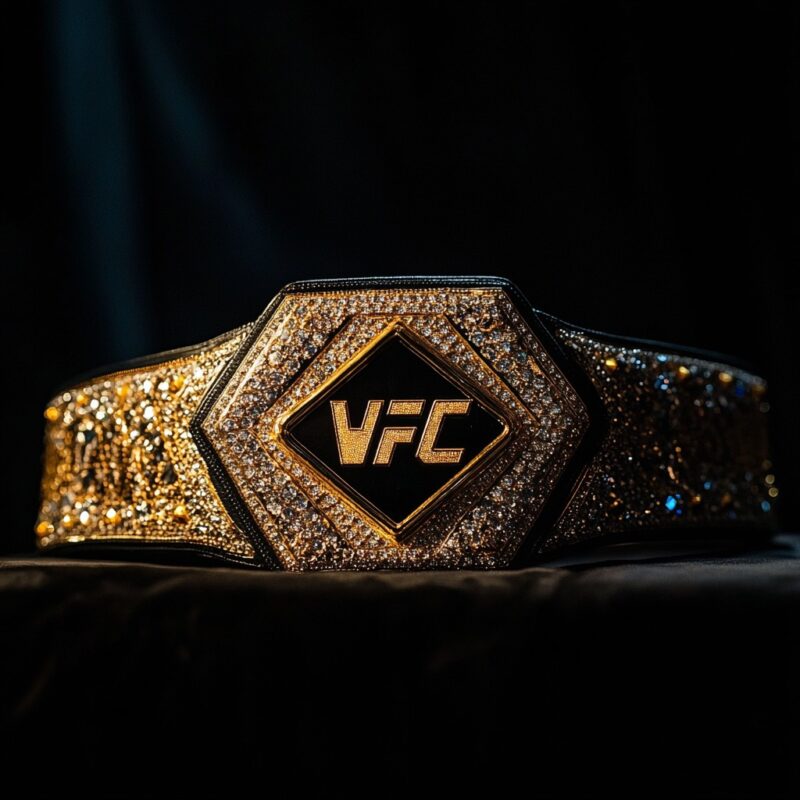
Decorative stones provide a little sparkle and interest to championship plates. Makers can also set them around logos, borders or other key design aspects. Enamel is a colored piece of metal that forms bright sections on the metal artwork. These features can add a special flair to a belt. Buyers need to check the security of the stones, however, and the evenness of the enamel. Decoration will enhance presentation and not make the design feel congested.
Review Different Belt Finishes
There are a number of ways to achieve a polished finish in metal plates, and it can give them a smooth, reflective appearance. Can often produce a shiny effect that stands out in bright light. Brushed finish is a fine surface line and a softer finish, rather than a mirror-like reflection. These treatments affect the overall appearance so potential customers should review photos on products thoroughly. Knowing the different types of finishes can also aid in collectors making their preferences clear when discussing custom belt designs.
Gold And Silver Plating
Gold and silver plating are surface finishes that provide a specific look and color to plates. Some designs also feature antiqued or dark-edged pieces to provide a contrast and highlight the engraving. It is important for the buyer to inquire from the seller what the actual base metal is and what surface treatment it has received; Gold colored finishes are not necessarily solid gold. Remove information from materials to avoid any value confusion.
Understand Wrestling Belt Terms
A championship title is the prize or recognition that a wrestler strives to win. The term reign means the time a wrestler spends in the position of the championship holder. Fans can talk about a champion’s inaugural reign, longest reign or successful title defenses. Wrestling terms to help people understand wrestling history and championship records. They also provide insight into the significance of some belts for fans and collectors.
Replica And Commemorative Belts
A replica belt is a belt that is designed to look just like the original belt that is already on the market. Many fans buy replicas to commemorate a favorite promotion, wrestler or iconic moment. Belt designed to commemorate a special occasion, anniversary, event or achievement. Designed to include unique artwork or special design elements. Replicas and commemorative products may vary in materials, craftsmanship, and intent, so be careful when reading the descriptions of the items. Knowing the difference can help collectors select items based on their interests.
Learn Custom Belt Vocabulary
Customisation involves modifying the design of belt to suit the customer’s needs. The purchaser may request a different shape in the plate, strap colors, logos, lettering or decorative feature. A personalization typically includes a personalized name, date, message or special title. Both options are helpful for customers in making a belt that is a reflection of their thoughts. Write out instructions and carefully consider the artwork before ordering. Talk to the producer about materials, design restrictions, additional costs, and manufacturing time.
Prototype And Design Mockup
A prototype is an initial model or sample of a product that is built to test a design prior to a mass production. Typically, a design mock up is a virtual visualization of the proposed belt design. It can display layout, lettering, logos, colors and placement of plates. This preview is used by the customer to ask for revision prior to the commencement of physical production by the maker. A careful review of the mockup will avoid spelling mistakes and misunderstandings of design. Do double check key information such as names and logos before finalizing the artwork.
Use Belt Terms With Confidence
Technical terms are commonly used in product descriptions for details on the belt’s construction and features. Check for information on the plate material, strap length, weight, finish and customization. Confirm if the seller refers to it as a replica, collectible or custom award. Photographs can accompany the written information to reinforce the written information, but can not verify all the details of the material. If you still have any questions, please reach out to the seller and inquire directly. This way you will know what to expect from the product before buying it.
Communicate With Belt Makers
When communicating with manufacturers, use clear terminology for a more productive conversation. You can discuss size of central plate, how much detail you would like on your side plates, the leather strap, or any metallic finish. Include reference pictures and explain the function of your design. Don’t assume anything, ask the maker what it means. Have the final specs written down, to ensure that the order is understood by both parties. Communicating will help you make your ideas happen in a championship belt that you’d expect.
Final Thoughts On Belt Terminology
By introducing the terminology of championship belts to the fans, buyers and collectors, they will gain a deeper understanding of the elements that define each belt. Center plates, center plate straps, center plate finishes, center plate replicas, center plate engraving and customization are all terms that describe a key component of the belt. Apply this information in the process of making product comparisons, reading product descriptions, and talking about a custom order. These words have a very clear meaning and will help you to research more easily, and communicate with confidence with sellers, manufacturers and other wrestling fans.