Blog
Championship Belt Weight Guide


The weight of a belt is significant for the comfort, aesthetic and quality of a championship belt. A heavier belt can provide a luxurious feel and present a good statement in a showy collection. Excessive weight can lead to discomfort during long events and/or wear, however. Lightweight materials provide for improved handling and storage. When selecting a belt, think about what you’ll be using it for. Knowing the difference in weight allows you to make a choice that is both aesthetically pleasing and comfortable.
Understand Factors Affecting Weight
There are a few different factors that affect the weight of a championship belt. The overall weight of the plate depends on the material used, the thickness of the metal, the kind of strap used, belt size, and decorative features. The larger the center plate, the thicker the metal, the more weight it will have; a smaller center plate may seem lighter. Other accessories and several side plates also influence the total dimension. Two belts that appear to be alike may have significantly different weights because of different construction methods used by manufacturers.
Explore Common Belt Weight Ranges
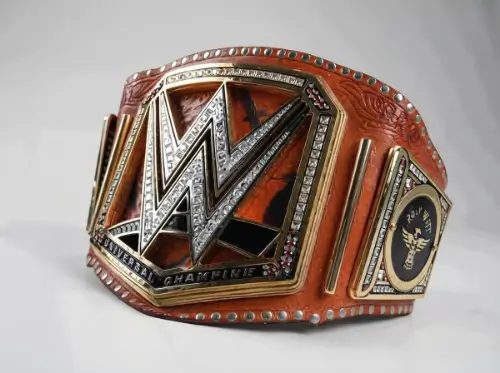
The lightweight versions of a championship belt are popular with fans that value comfort and convenience. Thinner plates, lighter materials and flexible straps are two common approaches employed by manufacturers to lower overall weight. They’re ideal for kids, casualwear, theme parties, and basic display styles. They also make for handy gifts, as they can be easily transported by the user. Buyers are still advised to check on construction however. A lighter belt will ensure secure plate attachment, neat finishing and a comfortable strap.
Heavyweight Championship Belts
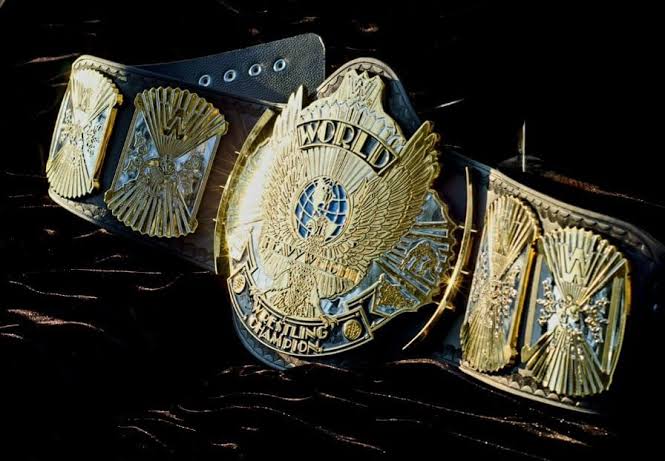
Thick metal plates, a heavy base and decorative detail are commonly used in heavyweight championship belts. Their weight can make a high class impression for many collectors. The heft of a heavier book is also appreciated by fans when taking photographs, celebrating or during wrestling events. But this does not mean that the weight is a guarantee of quality. Even the heaviest belt can be a disappointment if it is not constructed properly. Before selecting a heavyweight option to add to your collection, evaluate the thickness and specifications of the plate, the strength of the strap, and customer reviews.
Examine Materials And Weight
The amount of metal plates is a large part of what makes up the weight of a championship belt. Brass, stainless steel, zinc alloy and other materials have different densities and structure. Overall, thick metal plates tend to have a higher weight than thinner plates of the same size. Engraving, raised artwork or decorative layers can also impact the final measurement; all of this can be performed by the manufacturers. Request sellers to specify what type of plate material the item is made from rather than a general description. This information will assist you to make comparisons and understand how it’s made.
Strap Materials Affect Weight
The weight of the belt is also attributable to the weight of the strap. The leather may be genuine and have a good weight, or it may be synthetic and have other weight and flexibility properties. The thickness of the strap, its length, lining and decorative stitching also make a difference to the final length. A big belt with a thick leather strap might not be as light as a compact replica with a lighter synthetic strap. Look at the specifications of the strap in addition to plate information. This will provide you with more of an understanding of the general build and performance of the belt.
Compare Replica And Original Belts
There are various weights for the replica championship belts that are made out of different materials and quality of manufacture. Thinner plates and lighter straps can be employed to keep production costs reasonable on affordable versions. For premium replicas, more often than not, the plates will be thicker, the attachments will be stronger, and the materials will be more substantial. The differences are both in weight and appearance. Do check the specifications of products before buying as the replicas might not be the same size or build. The reliable seller will give you weight details.
The original title belt was found
Original championship belts can come in a variety of materials, be intricately constructed and designed to mimic the style of a professional wrestling promotion. They weigh different based on the title, manufacturer, production time and individual specifications. There are big metal plates belts and belts that have been made to be handled by the champions and event. Do not make the mistake of thinking that all of the original belts are heavier than all of the copies. For an authentic item, check out any documentation or source information, not just by weight.
Choose Weight For Different Uses
If you are looking for a belt that you will wear on a regular basis, comfort is the criterion you need to use. A heavy design might look good at first but get tiresome during a long event and/or photo session. Before buying, think about the comfort of your body, strap flexibility and size of the plates. A medium weight belt can be useful if you’re looking for a balance between style and functionality. Carefully read the total weight the seller specifies and select a design that meets your needs and won’t cause discomfort.
Heavy Belts For Display
Large championship belts are a popular choice among collectors as they are large and heavy, making them an impressive display. These designs have a substantial feel on shelf or wall mounting due to the thick plates and detailed artwork. But before you load up a heavy belt onto your display equipment, it’s best to test the strength of the equipment first. Your collection is protected by a secure stand or by suitable wall mounting. Determine space dimensions and check the belt’s weight to prepare an interesting and safe display.
Check Weight Before Purchasing
Refer to product description for the total belt weight. Some sellers will refer to the weight of the plate only, while others will state the weight of the complete product (plate, strap, and packaging). These measurements are not equivalent. If the listing doesn’t clarify the figure, ask the seller for details. You should also look at the specifications and material of the belt. Specifications ensure you know exactly what you are getting and avoid misunderstandings when comparing championships of similar design.
Ask Sellers Important Questions
Get in touch with the seller if product is lacking in detail or clarity. Questions to ask include the type of materials used for the plate, the thickness of the plate, the type of strapping, the overall weight and the quality of the fastening. Photographs can also be requested which will show the belt from various angles. Handling and construction might be valuable information from customer reviews. Don’t deal with sellers that don’t answer simple questions. With clear communication, you will be able to select the right belt and minimise the chances of receiving something that you are not expecting.
Keep Your Belt In Good Condition
Championship belts need to be handled carefully to ensure plates, straps and decoration are not damaged. When lifting and moving the belt, hold it firmly with both hands. Do not pull the strap to an extreme degree or apply excess pressure to the center plate. Rough handling may become loose on attachments, damage the metal surfaces, and/or damage the strap. If you want to wear the belt, be sure that its fastening mechanism is secure. It is important to handle it carefully to ensure that your collection looks good and that its appearance is preserved.
Keep Belts Supported When Storing
Proper storage will help to protect championship belts from scratches, pressure and unnecessary bending. Use a sturdy display stand or padded storage surface that can support the complete weight. Avoid exposing the belt to wet places, direct sunlight and sharp objects. Don’t hang something heavy from a light hook or an improperly designed hook. Gently clean plates with soft cloth and care the strap appropriately. The belt’s looks are kept over time with regular attention.
Final Thoughts On Belt Weight
A great deal more goes into selecting the right championship belt than into picking a great looking design. Weight and comfort can also be affected by material, thickness of the plate, how the strap is constructed, and overall dimensions. Lightweight models are better for casual use and handling, while heavier models might be more attractive to collectors who want a piece of substantial weight. When shopping, read product labels and think about how you will use the product. Furniture is outfitted with a well-balanced belt that offers beauty, durability and ease of use.