Blog
Boxing Belt Comparison

Understanding Championship Belt Types
There are various types of championship belts made of various material, size, and cost. These both come with specific features for collectors, boxing lovers, event organizers or winners. These comparisons can assist buyers in their understanding of what they are getting before they invest. Design can be beautiful, but so can be the quality of the materials and construction, which can also provide long-term value. With careful research, you can find the right belt that fits your needs, stay within budget, and select a belt that is appropriate for your purpose and personal taste.
Identifying Main Belt Types
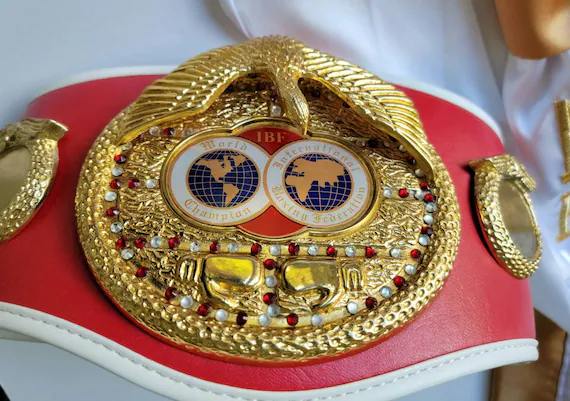
When searching for a new belt, most buyers will come across replica belts, custom championship belts, commemorative belts, and awards. Replica belts are typically popular when it comes to popular boxing titles, whereas custom belts provide more flexibility when it comes to names, colors and artwork. Commemorative belts are used for special occasions or sporting events. Winners are identified and awarded prizes in gyms, clubs and tournaments. There are different types and should be used for different purposes; think about how the belt will be used, displayed or collected by the recipient before you choose.
Establishing Buying Priorities
First, you need to determine what features are important to you. Collectors might look for historical designs or detailed plates, as well as appealing finishes. Cost, budget and durability are two key concerns for event planners. A person who purchases a personal gift might want a light-weight manatee relicts model with an individual nameplate. List down your primary needs before you do your product comparison. This simple method will help you to stay focused and not get swayed by the beauty of pictures or any features that are not needed.
Comparing Belt Designs
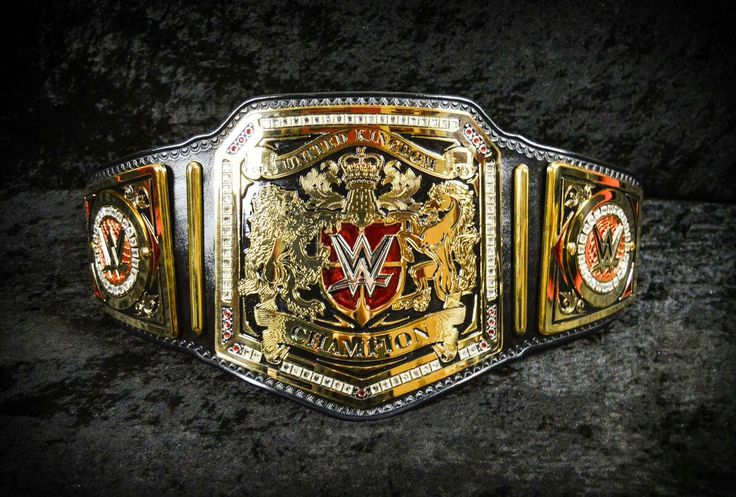
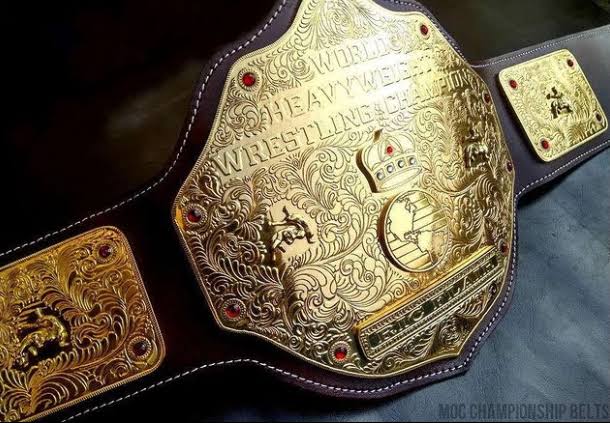
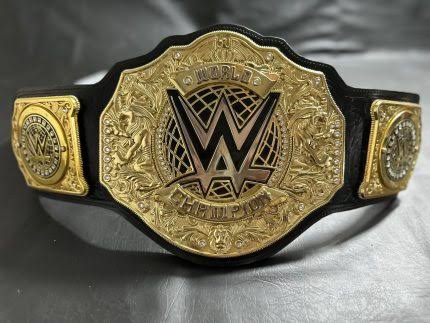
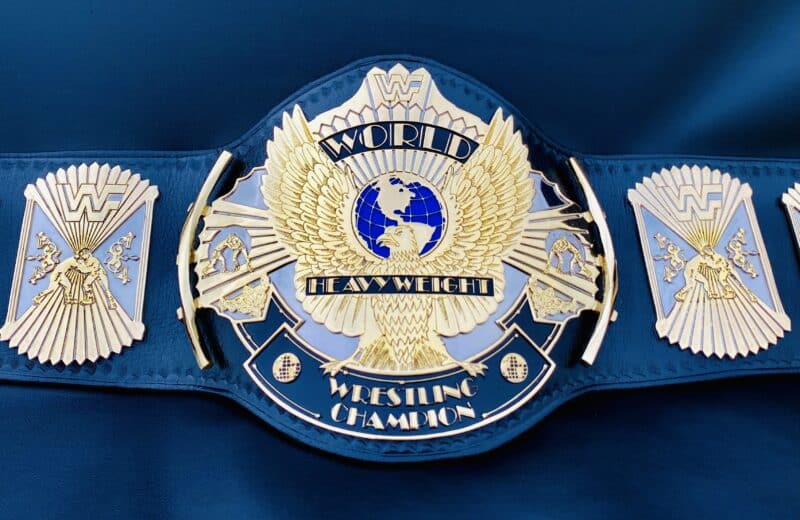
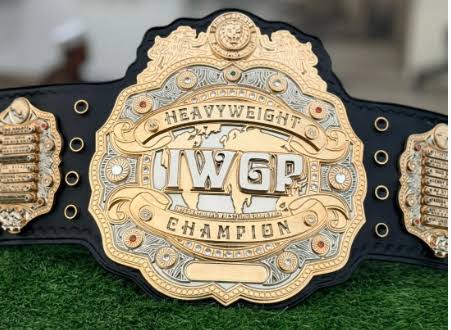
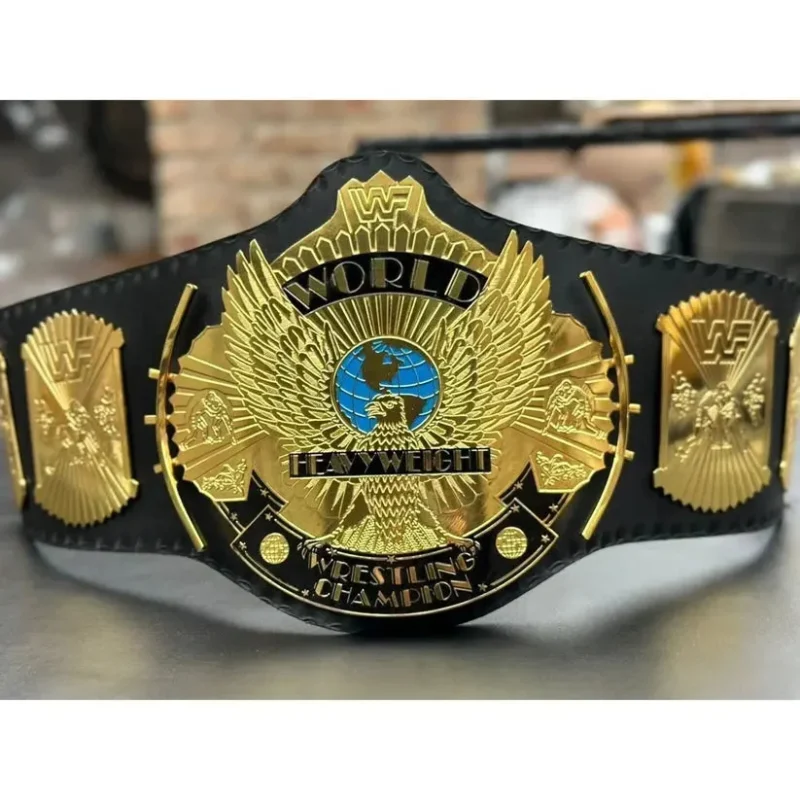
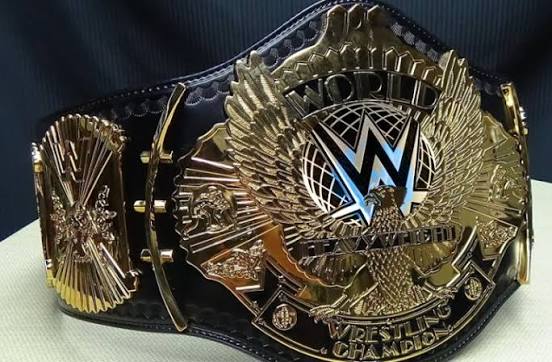
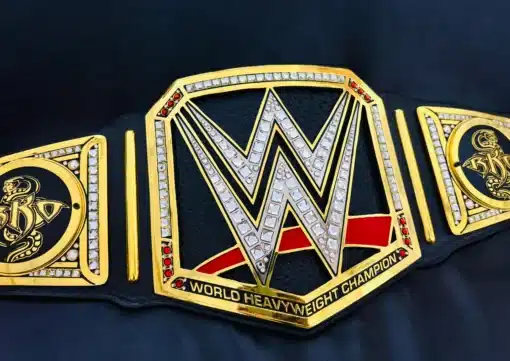
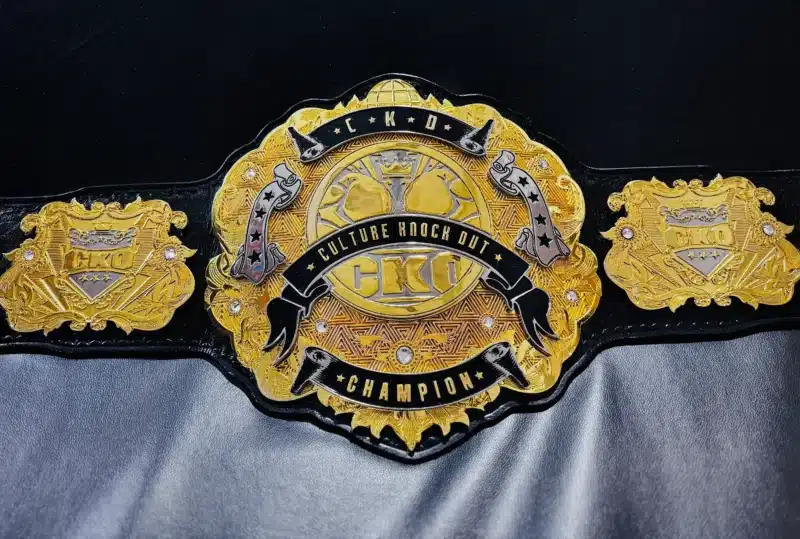
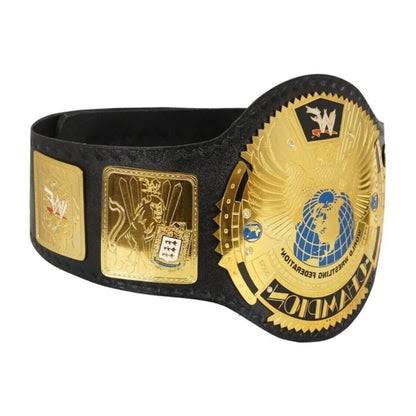
The traditional championship belts tend to have characteristic designs, symmetrical plate configurations and familiar patterns. New designs can feature larger center plates, intricate graphics, colored features and more elaborate art work. In both styles, fans of boxing can enjoy it, but it ultimately depends on their personal taste. Keep in mind the recipient’s preferred boxing era and preferred appearance. The traditional design might be better for those who enjoy sporting history, whereas the modern design might be the best option for collectors looking for the visual details.
Center And Side Plates
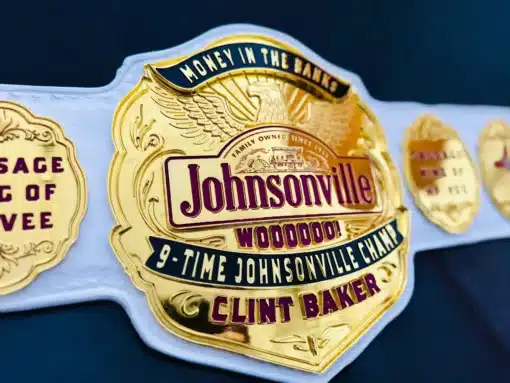
Most commonly, center plates will feature the primary championship art, title or group information. Side plates enhance the design and can feature more symbols, patterns or personalized details. Before choosing a belt, compare their shapes, sizes, engraving details and decorative balance. The large center plate provides a strong look, and the side plates are cleverly arranged to provide a certain interest. Find a design that incorporates all these things, but doesn’t make the belt look cluttered.
Decorative Details And Colors
Colors have a significant impact on the overall look of a belt, and can also be used to create contrast between different designs. Gold/Black is a classic Championship color combination, Red/Blue/Silver are other color combinations available. There are also belts that have textured backgrounds, colored enameled backgrounds, engraved patterns or decorative borders. Compare with the recipient’s preferences and collection. The color may be coordinated with the rest of the design to enhance its appearance, but too many decorations do not enhance the main championship artwork.
Comparing Belt Material Quality
Usually, real leather or synthetic strap materials are used for championship belts. Here, you can choose between real leather, which will give you a natural look and feel, or a synthetic that will be more budget-friendly, but may not have the same traditional appearance. They can have very different flexibilities, finishes and maintenance. Read product descriptions to discover material information and seek it from sellers. Think about the frequency with which someone is going to wear or touch the belt. The material of the right straps should be in accordance with the use, budget, and level of care of the garment.
Metal Plates And Finishes
The weight, look and build of a championship belt is greatly influenced by the metal plates. Manufacturers can employ a variety of different metals or metal-like materials, as well as polished, plated, or antique finishes. Before buying, inspect the thickness of the plate, engraving, edge and surface condition. Product photographs can be helpful, but detailed specifications provide more information. If the property doesn’t specify the plate materials, ask the seller. Well finished plates can add to the visual appeal and make for a better presentation of the belt.
Stitching And Construction
A belt’s shape is maintained during normal handling and display through the use of strong construction. Look at the stitching around the edges of the straps, attachments to the plates and joints. If the seams are not even, or if there are loose threads or rough edges, this could be a sign of shoddy workmanship. Make sure you also see how the manufacturer attaches the plates to the strap as weak spots can cause problems in the long-term. When possible, compare any photos of customers with product reviews. When buyers are looking at the various construction differences, careful attention to the construction will be helpful in identifying them, beyond the attractive artwork.
Comparing Size Weight And Comfort
If you’re a kid, a small championship belt could be an excellent option, particularly for small children, a compact display, or someone who likes to handle it more easily. For a large design, the wider the strap and the larger the plate, the more impactful the design will be. But the size labels vary from manufacturing to manufacturing, so it is always best to refer to the real measurements. Please measure the length of the strap, the overall width and the size of the plates before ordering. Consider display size and who is the intended audience for the piece. The size should be appropriate and have a proper proportion to avoid extra handling and storage problems.
Understanding Belt Weight
Weight has an impact on the ease of carrying, wearing and presenting a championship belt. The overall weight may be increased by using larger plates and thicker materials as well, but the construction techniques also play a role. Depending on the context, a heavier board might be better for a permanent display, and a lighter one might be preferable for younger users or for use in frequent displays at events. If possible, request the exact weight of the product from the seller. This information can also help you decide on a design that will be practical rather than just an aesthetic.
Checking Adjustable Features
Fastening systems are important to the ease of which a belt will fit to various users. Some designs feature snap closures, adjustable positions or buckles that provide varying fitting ranges. Make sure to inspect the usable length of the strap and fastening methods before buying it. For events with multiple awards, there is some flexibility to adjust so that some participants can share one award. Appearance might be more important than fastening flexibility for belts that are only viewed for display. Take into account what you will use them for and compare them based on your specific needs.
Comparing Prices And Overall Value
For anyone who is a casual fan, a small event or a first-time collector, budget belts are a great option. The high dollar models can have added customization, more detailed artwork, improved materials or heavier plates. But, a higher price doesn’t necessarily mean a better deal. When choosing among the different specifications, construction, seller reputation and customer feedback, do some comparison shopping. Set a reasonable budget and priorities the features that are important. This way you can locate a belt that fits you without investing additional cash for information that you don’t require.
Customization And Extra Costs
Custom Championship belts can have extra fees for engraving, special colors, name, logo or design change. Some vendors may also charge a shipping fee, protective packaging fee or display accessories. Ask for a detailed quote before you place an order. Inquire if the price is for all of the customizations you chose. Carefully analyze the final design and check spelling, colors and measurements. Since these costs will be important when you are buying, understanding them first lets you plan appropriately and make sure you don’t incur any unexpected costs.
Evaluating Long Term Value
The best purchase will deliver more than just a pretty face on the day of delivery. Take into account material quality, structure, maintenance requirements, presentation and the personal importance of the belt. Unique artwork is a desirable trait for collectors, but easy handling and durability are more important for event organizers. Look at these advantages in relation to the overall cost, not just the lowest price. With careful choice of belt, many years of enjoyment and achievement or a sporting interest can be realized.
Final Thoughts On Belt Choices
When comparing belts, it is important to take all of these factors into account, including the design, materials, plate quality, size and weight, customization and price. There is no one belt that meets everyone’s needs, as the collectors, athletes, fans, and event organizers have their own priorities. Before ordering, check the product details, compare sellers and product use. You can opt for a traditional replica design, modern look or custom-made belts that can be tailored to fit your needs and tastes, while ensuring the belt looks appealing and gives value for money.