Blog
Wrestling Belt Maintenance


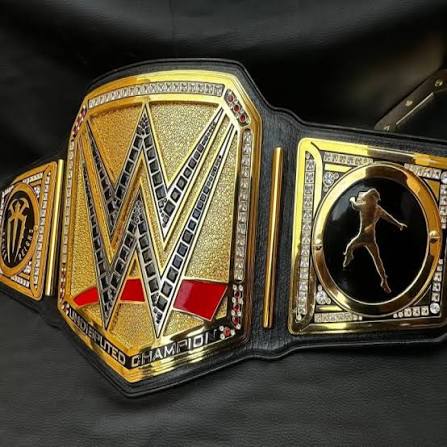
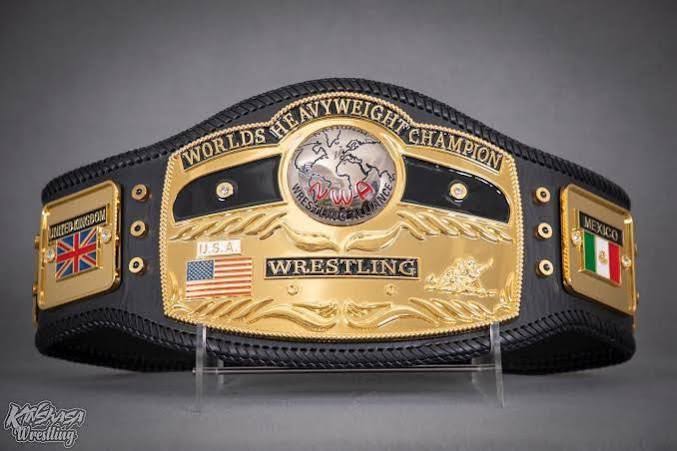
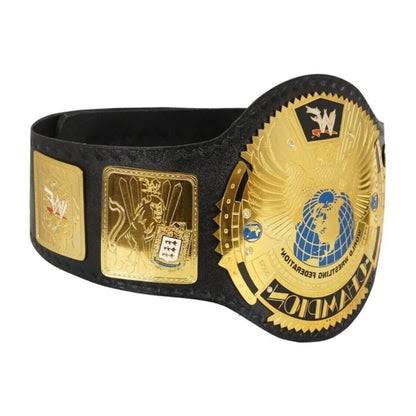
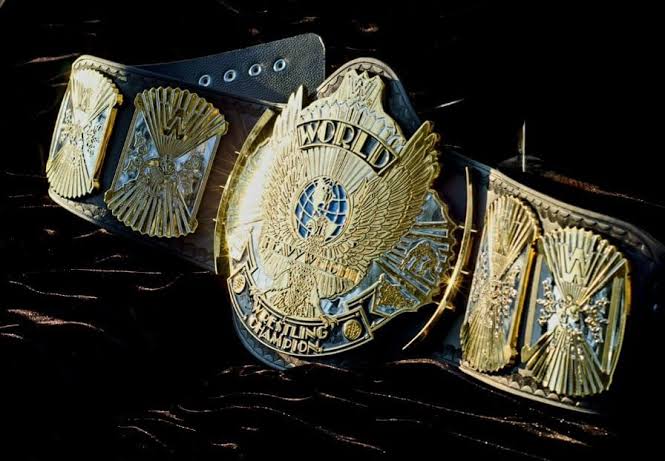
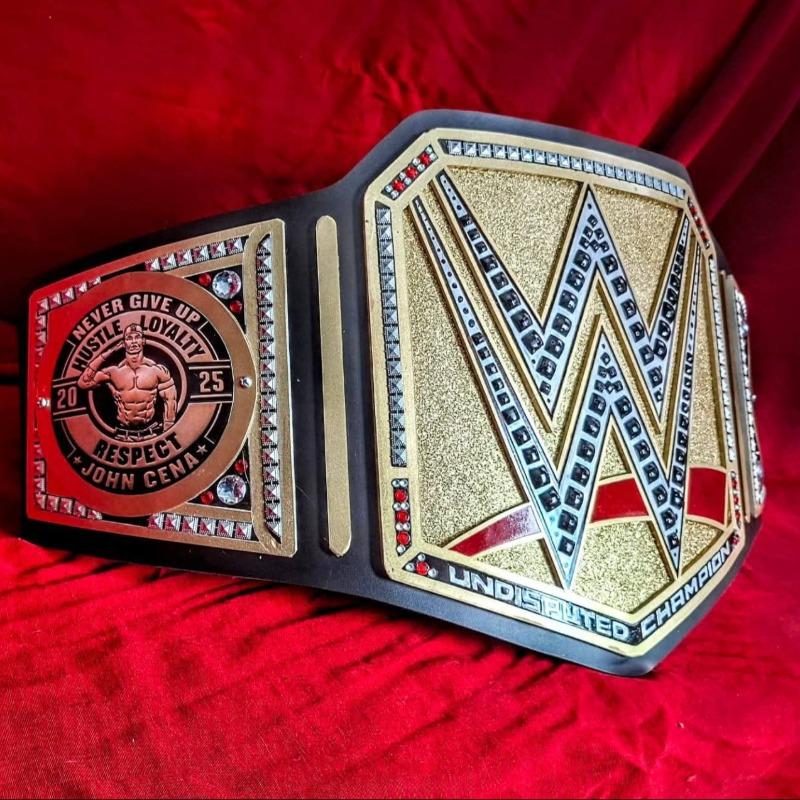
A wrestling championship belt can be a treasure trove of personal memories, collectable value, and wonderful artwork. It is essential to maintain its appearance and prevent materials from being unnecessarily damaged through regular care. Over time metal plates and leather straps can be damaged by dust, moisture, fingerprints and improper storage. If you want a decoration to stay beautiful, even a decoration copy requires your attention!
Identifying Belt Materials
Prior to cleaning a belt, one must determine the constituents of the belt materials. A lot of championship belts feature a metal plate set with genuine leather, synthetic straps, decorations, and small fasteners. There are different ways to clean each type of material. A product that works great on metal can spoil leather or have a negative effect on a decorative finish. If possible, refer to manufacturer’s care instructions. If you have a custom or vintage belt, seek advice from the manufacturer. Knowing what materials you are working with makes it easier to select the appropriate method of cleaning them safely.
Essential Wrestling Belt Maintenance
Assemble appropriate materials prior to beginning cleaning tasks. Noticeably, with a soft microfiber cloth, a clean dry towel, and a soft-bristled brush, the ordinary dust, and fingerprints can be removed out. Have an extra cloth for metal plates and one for the strap. Don’t use hard sponges, abrasive pads, or household chemicals as they may scratch surfaces or strip finishes. It’s also important to have a clean workbench that is spacious enough to accommodate the belt.
Removing Everyday Dust
Dust accumulates in the surrounding of the plate edges, decorative elements, and strap surfaces during normal mounting. Gently dry the belt with a dry microfiber cloth. Care should be taken around engraved sections and move slowly around to avoid the cloth getting caught in small decorative sections. Use a soft brush to clean in tight areas where a cloth may not reach. Do not apply too much pressure as this may leave marks. Periodic dust removal will help to keep the belt clean and tidy, minimizing the need for more thorough cleaning.
Wiping Plates Carefully
Fingerprints, dust and small smudges can be caused to stick to metal plates during handling. Gently buff with a clean microfiber cloth to restore the surface’s shine. Do not rub in the wrong directions. If you are having trouble with the marks, check the manufacturer’s instructions, and then apply a cleaning liquid if necessary. There are belts with special coatings that may need special care. Easy cleaning keeps the plates free from unnecessary chemicals to ensure engraved artwork, decorative borders and metallic finishes are preserved.
These harsh cleaning products are not necessary
Certain chemicals can harm the protective coatings or cause discoloration or damage to decorative features of metal surfaces. Do not use bleach, ammonia, rough polishing compounds or cleaners for the home bathroom. A protective finish may be stripped from some products or unwanted changes in appearance may occur. If the material of the plate cannot be determined, use a dry cloth, and consult a professional before applying liquid cleaners. A careful approach will ensure that the belt’s original finish is maintained, and that the belt will be protected over time.
Caring For Leather Belt Straps:
Leather straps should be cleaned gently as excess moisture and wrong product can further damage the leather. Use a soft, dry cloth to get rid of loose dust first. If damp cleaning is acceptable by the manufacturer, use a slightly damp cloth and clean a small area in an inconspicuous place first. Do not soak the strap or pour a lot of water in it. Once cleaned, allow leather to dry in a well-ventilated room. Careful handling helps to ensure that it has a good texture, flexibility and good appearance.
Preventing Leather Cracks
Excessive heat, dryness or improper storage can cause leather to become inelastic. Avoid placing belt near heaters, radiators or direct sunlight. Try not to fold the strap too tightly as this can leave permanent folds. A few manufacturers have specific leather conditioners to use, but the compatibility of the product should be checked before applying it to the leather. Avoid using too much conditioner, as it may leave an oily surface or have a detrimental effect on some finishes. Appropriate handling and storage will help prevent cracking and keep the condition of the strap in good shape.
Protecting Synthetic Belt Straps
Synthetic straps can have various coatings and surface finishes; refer to the manufacturer’s instructions prior to cleaning. When damp cleaning is allowed by the product label, clean sparingly with some moisture and then allow the surface to dry. Do not use strong solvents as these can change the color and finish of the strap. Avoid rough brushes on printed or patterned areas. Careful handling prevents damage to synthetic materials, while maintaining their appearance.
Avoiding Surface Damage
Collectors who use improper cleaning materials and equipment can cause scratches, peeling or discoloration in synthetic materials. Don’t place heavy objects on top of the belt and keep sharp objects away from the strap. Never leave in any hot vehicle or near high heat sources. Support the belt, don’t pull by the end. These are simple measures to minimize stress on the material and to maintain the shape of the belt in normal use.
Choosing Appropriate Storage
Keep championship belt in a clean, dry and cool area. A display cabinet, padded shelf or separate storage box will offer appropriate support. Avoid placing the belt against wet walls, wet windows and places with temperature fluctuations. Don’t store in an overly tight area where there could be something that is touching the plates. You want to be able to easily access your belt without sacrificing suitable location.
The Belt Shape supports the product
A belt must be supported correctly during storage as the belt may have a strap that can be damaged by sharp bends. Lay it on a wide, soft surface that conforms to its shape. Never hang heavy belts from small hooks or thin areas of support which focus the force in a single spot. When using a storage box, make sure there’s enough room to avoid over-folding. Don’t let the plates touch other things.
Handling Belts With Care
Clean hands reduce the potential for transfer of fingerprints, oils and dirt to metal plates and straps. Wash and dry hands before handling belt. Grab the belt in supported areas, rather than the decorative edges or pull individual plates. In case you share your collection with visitors, describe how to treat each item with care. A clean surface to temporarily place may be provided as well. When used regularly, these simple habits help to keep marks to a minimum and preserve delicate details.
Preventing Accidental Scratches
Keep your belt away from keys, tools, jewelry and sharp objects. Small vibration is enough to cause scratches if hard objects come in contact with a polished plate. If moving a belt, vacuum up the area and hoist both ends. Do not pull it on a table or floor. Do not display where kids and pets can reach it, or pulling can damage the belt. By using proper care it can be preserved and avoid unnecessary repair expenses.
Maintaining Belt Display Areas
A dust free display space keeps your championship belt safe from dust and damage. Regularly clean shelves, cabinets and wall mounts to prevent dirt build-up around the object. Inspect and clear away objects that may fall on the belt around the belt. When using a glass cabinet, use an appropriate glass cleaner on the outside of the cabinet, avoiding direct contact with the belt. A neat display helps to present and maintain.
Managing Light And Moisture
Different belt materials can be impacted by strong sunlight and damp over time. Keep your display out of direct sunlight all day. If you do need to store in a basement or storage area, keep humidity under control, or store in a different location. Room ventilation can be used to help minimize moisture accumulation. It is also possible to keep a track of condensation or unusual scents in the storage area. Leather straps, metal finishes and decorative features are more likely to be exposed to the elements if conditions are not stable.
Checking Belts For Damage
Check your belt on a regular basis for small issues before they become huge issues. Inspect for loose plates, broken stitching, peeling surfaces, odd color and corrosion. Inspect the edges of the strap and the strap catchers as well. When you see a change, take photos of it for future reference. Don’t pull on the loose sections or make a repair job without knowledge. Regularly checking the condition of the belt can indicate what it’s doing and when it may be best to seek expert help.
Recognizing when to get assistance.
In some cases, it may be necessary to go beyond standard cleaning. Metal plates that are loose or broken fasteners, cracked leather and damaged decorative coatings might require professional attention. If you’d like to do major repairs, get in touch with a collector’s belt specialist who knows the products or the manufacturer. When asking for advice, clarify the issue and post photos. Professional expertise can be used to safeguard the valuable objects and avoid minor damages from turning into cost-intensive restoration tasks.
Final Thoughts On Belt Care
With proper care and appropriate cleaning and storage procedures, a championship belt can continue to be a beautiful piece of jewelry for many years. Utilize soft tools, steer clear of harsh chemicals, don’t harm leather or synthetic straps and check plates frequently. Be sure to read the care directions that are specific to the material before using a new product. By maintaining the wrestling belt properly, you can keep the belt’s appearance intact and protect the materials, allowing you to enjoy your collection for many years.