Blog
History of Championship Belts


Professional wrestling evolved from a form of traditional grappling that involved testing strength, technique and endurance. In the early days, wrestlers would travel and wrestle in local shows, and they would draw crowds by having difficult matches. These championships provided wrestlers with a definite aim and for viewers to monitor their favorite performers. Early wrestling culture established the roots of the traditions of the present-day wrestlers.
Explore Early Wrestling Titles
Up until the time of the popularity of Championship belts, there were other awards given to successful competitors by sports organizations. As professional wrestling grew, promoters started to rely on belts as a way to help people know that they are a champion. This was a convenient system to determine the owners of titles during public displays and games. As the years went on, belts became increasingly elaborate in design and were strongly associated with yellow-clawed victories, famous wrestlers, and promotions.
Trace Championship Belt History
The evolution of championship belts mirrors the development of professional wrestling. Each organization had its own traditions, belt designs and rules for championships. These were titles that were used to promote interest in prominent wrestlers and events. The belt was slowly accepted as a mark of sport achievement as the viewers began to know how to compete in the championship.
Explore Growing Popularity
The twentieth century saw professional wrestling expand its reach to larger audiences with touring shows, newspapers, radio and TV. Championship matches were introduced as a result of the fans’ desire to witness the top male wrestlers fight for the honor of the most coveted titles. This may be a different division or level of contest per championship. As a result, more elaborate belts became popular and titles became a key aspect of wrestling entertainment.
Examine Classic Belt Designs
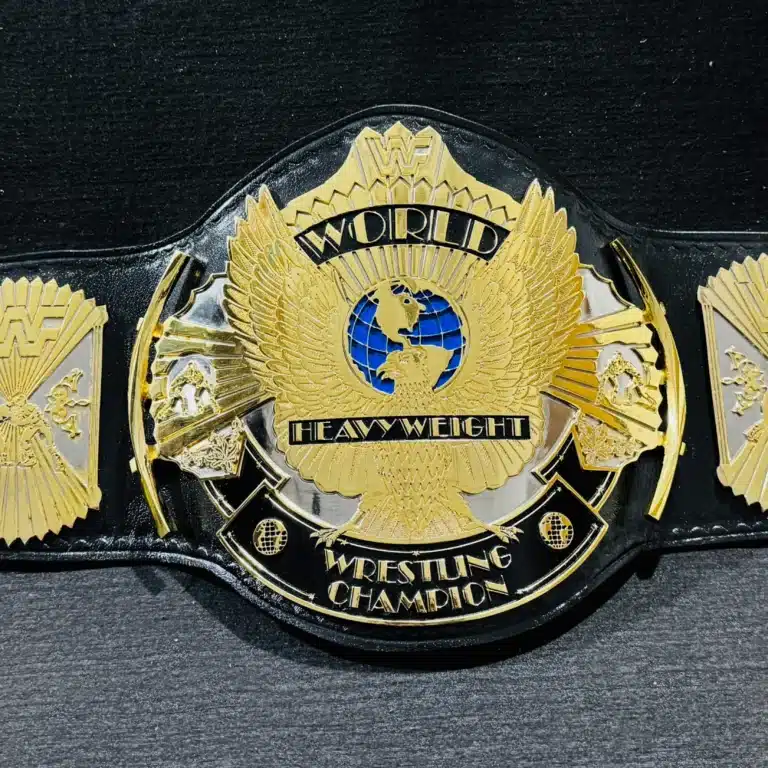
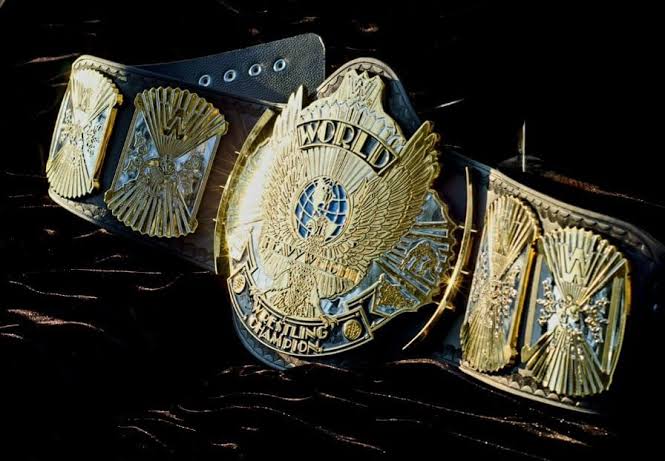
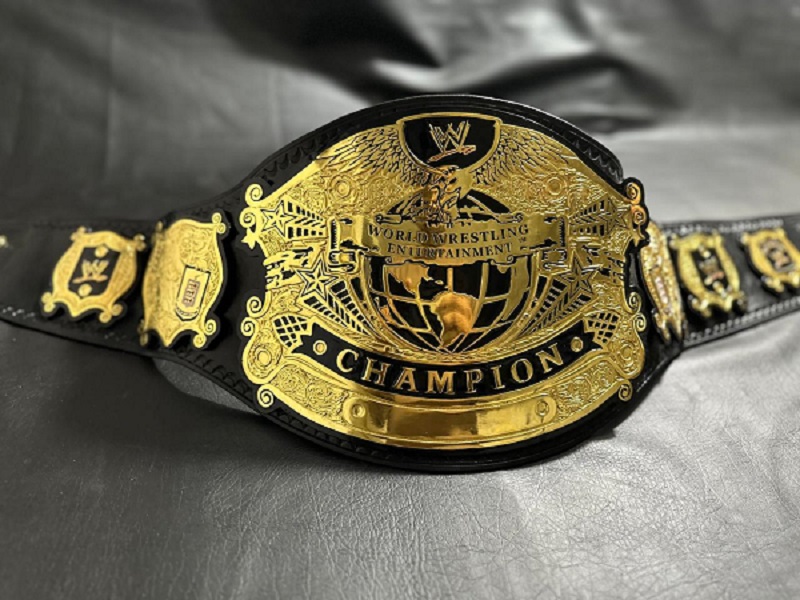
were designed to be seen from a distance with strong lettering, engraved designs and metallic finishes. Gold colored plates were particularly popular, as they would evoke a sense of prestige and success. A few belts had organizational names, national symbols or decorative art as well. These traditional aspects shaped each championship to be unique, and provided fans with memorable designs to call on wrestling memories.
Compare Materials And Craftsmanship
The materials and production methods of old championship belts may have mirrored the era. The craftsmen applied metal plates, leather straps, engraving and decoration to produce unique awards. The quality of these materials affected the weight, look and durability of each belt. With the development of manufacturing techniques, businesses had a wider range of choices in producing intricate plates and unique designs. All these innovations contributed to the creation of a system of championship belts that transformed from the humble into a recognizable form of sports collectibles.
Discover Television Wrestling Growth
Television revolutionized the world of professional wrestling by allowing the events to enter people’s homes and be seen by a larger audience. This exposure caused the general public to take notice of wrestling titles and prompted the creation of designs that would look impressive on the television screens.
Understand Promotion Competition
Wrestling promotions were vying for the audience and the wrestling championship became an integral component to the identity of a promotion. Each organization minted its own titles, based on its top divisions and competitors.Championship games were employed to attract attention to special events and weekly shows. The different belts enabled viewers to differentiate the various organizations in view. Other competitions also promoted the introduction of new titles and the updating of old designs. All of this increased the history of championships for wrestling and provided more belts for fans to recognize and discuss.
Identify Iconic Modern Belts
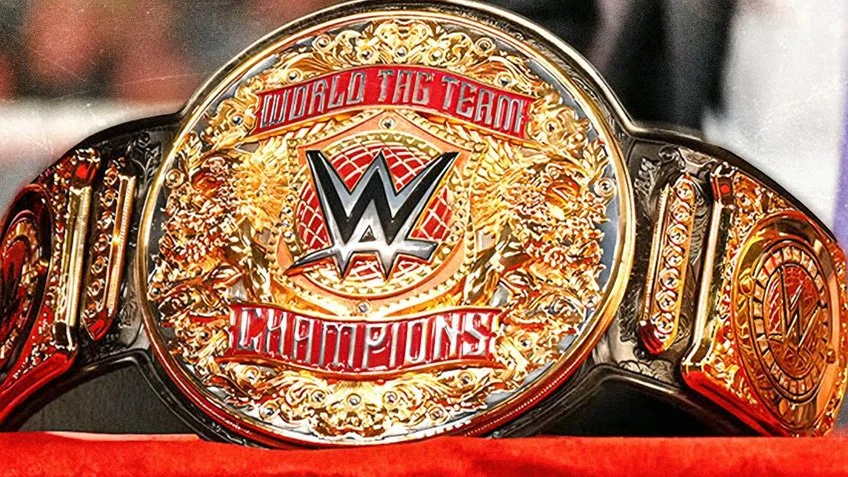
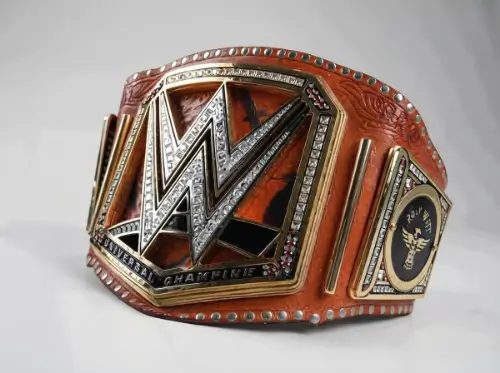
Championship belts are part of modern wrestling history and are remembered by fans from the manner in which they look and the wrestler who wears them. There are some that have traditional gold finishes and others have modern art and customized side plates. These pictorial features enable fans to link a belt to a specific championship period. Remember that a great design can stay in vogue even when a new version comes along during a promotion.
Celebrate Legendary Champions
Much of the value of championship belts is created by the athletes who win and defend them. Memorable moments in the game are made when famous champions win championships, beat opponents or even hold a championship for a long period of time. Their accomplishments enable fans to form emotional bonds with certain belts. A design can be particularly significant as it was worn by a popular wrestler during a significant period.
Explore Modern Belt Evolution
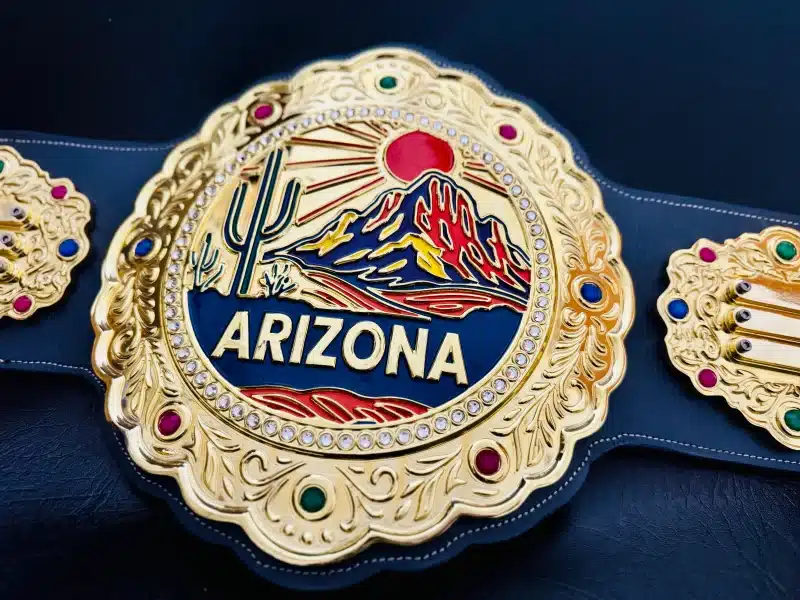
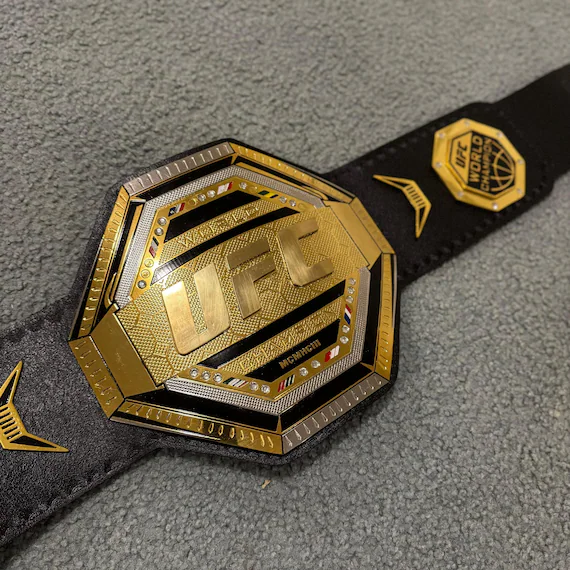
Contemporary championship belts feature traditional wrestling elements and modern designs. Nowadays, Promotions are testing various shapes of plates, various finishes, colorful artwork and customized side plates. Manufacturers can also achieve engraving accuracy and decorative effects such as embossing and dimpling, using technology. Because of these developments, promotions can create their own distinct wrestling champion characters and still have the traditional wrestling belt structure.
Understand Replica Popularity
There is a huge market for wrestling belts that are replicas of the championship belts. Fans can also buy replica designs which are inspired by the titles from their favorite promotions and championship eras. Some collectors have a preference for more detailed pieces to display while others prefer the lighter pieces to wear or use in a casual setting. This newfound passion enables fans to experience wrestling history outside of the ring and to create collections of iconic designs.
Preserve Belts And Collectibles
Championships from the history can provide great insight into the history of wrestling. Collectors will scrutinize materials, logos, methods of construction and ownership records to gain insight into their history. Older belts will be preserved from moisture, dust, sun, and unnecessary handling by proper storing. Damage and the keeping of belt can be minimised by using a display case or appropriate storage area. If collectors research an older book, well-documented history and reliable photographs can also help in understanding the significance of the book.
Appreciate Collecting Culture
Wrestling fans and sports enthusiasts all enjoy sports history, design and memorabilia they are involved in Championship belt collecting. Some collectors are interested in the replicas of famous championship years, and some are interested in the rare original items. Items of personal interest, such as belts, photographs, event programs, and other items of wrestling equipment. The common interest helps to keep wrestling alive and brings younger fans up to speed on major events in the history of wrestling.
Final Thoughts On Wrestling Belts
This is the story of the championship belts from their beginnings to today’s international entertainment. These awards have evolved over the years into iconic symbols of winning and sporting achievement, as well as simple awards. Many designs also have a legacy of iconic performances and iconic matches. Championship belts today remain as a vital link between the sport, its history, culture and changing traditions.