Blog
Wrestling Belt Cleaning

Championship Belt Cleaning
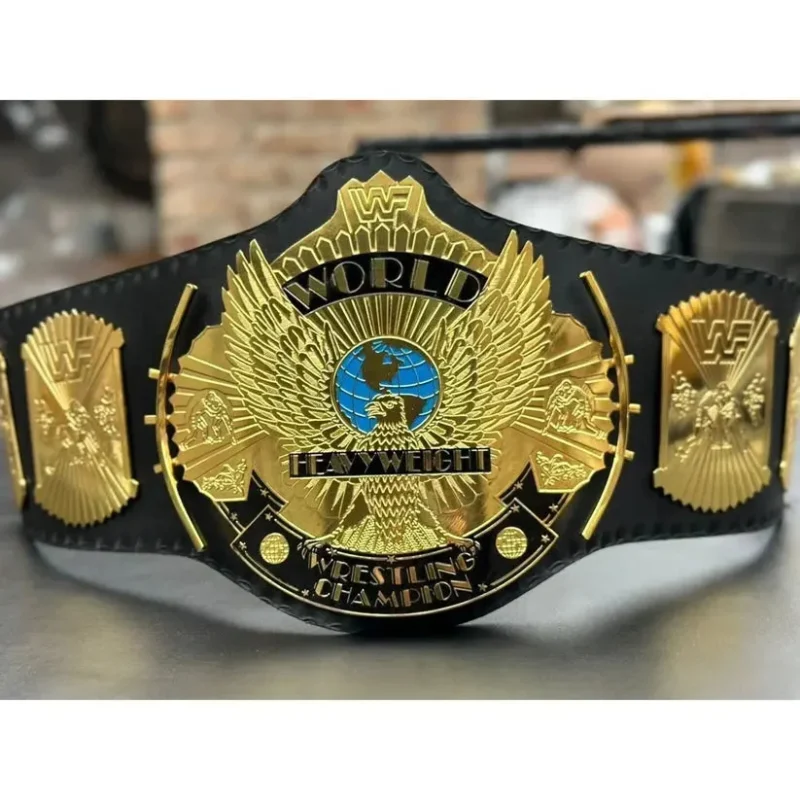
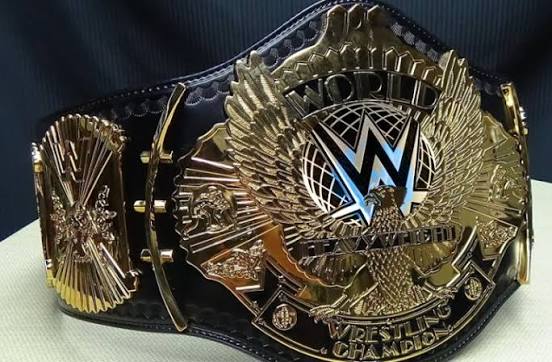
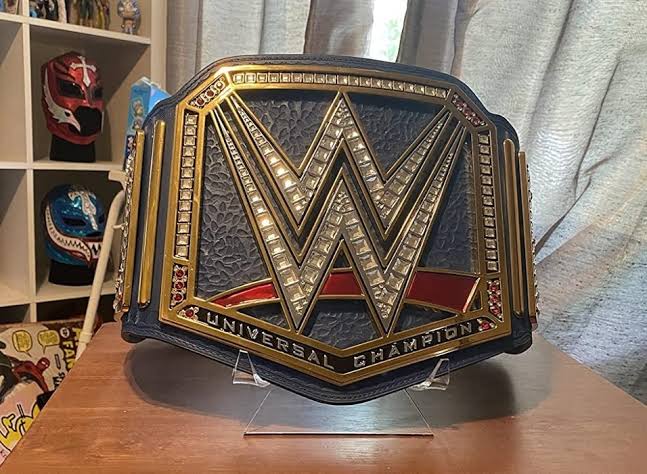
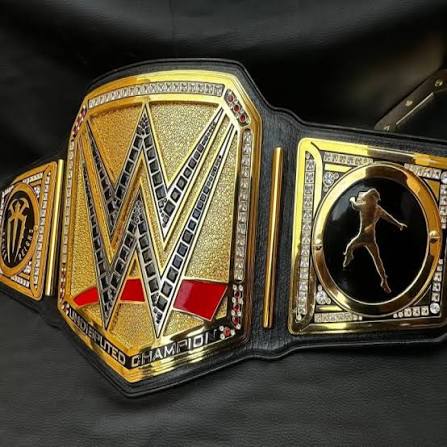
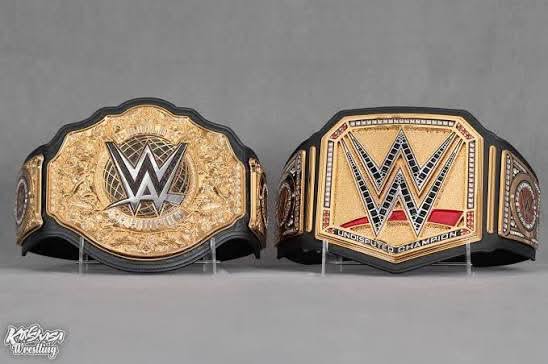
Championship belts have metal plates with in-depth information, decorative finishes and leather or synthetic straps. They can change over time as a result of dust, fingerprints and regular use. These details can be maintained and favorite designs kept attractive by regular cleaning. Carrying out basic care doesn’t require a lot of costly equipment. Many common cleaning chores can be accomplished with a soft microfiber cloth and proper cleaning solutions. This also helps protect valuable championship belts from unnecessary wear, discoloration, and scratches with gentle methods.
Identifying Belt Materials
Prior to cleaning a championship belt, you should know what the materials are of the plates and strap. Some designs incorporate metal plates that are finished in gold, silver or chrome and others use other finishes. The material of the straps can be real leather, synthetic leather, or other materials. Care must be given to each surface as one product may not be suitable for another surface. Follow the manufacturer’s instructions, if available. When you understand how your belt is made, you can make the right selection of safe products and avoid cleaning problems.
Gathering Essential Supplies
Make a few simple preparations before you begin the cleaning. Have a soft micro fiber cloth, a clean dry towel and a small quantity of material safe cleaner on hand. Do not use the same cloth to clean metal plates and straps as this may cause dirt to transfer. For very small decorative features, it might be helpful to use a soft brush to clean off the dust. Do not use rough sponges, paper towels or cleaning pads that could scratch delicate surfaces. It is easier and more controlled to organize supplies first.
Creating A Safe Workspace
Select a clean, level and bright work surface for cleaning. Use a soft towel under the belt to prevent accidental scratches to plates and belt. Avoid placing beverages, food and strong household chemicals in the work area. Position the belt in a comfortable position so that you can access all sections without pulling or twisting the strap. Lighting will make you see dust, fingerprints and little marks. A prepared work space will minimize accidents and promote correct working practices.
Cleaning Wrestling Belt Plates
Around raised lettering, borders and decorative pieces, metal plates tend to collect dust. Gently wipe away with a clean microfiber cloth so as not to spread dirt. Use a soft brush in narrow areas and not apply undue pressure to the finish. Rub around detailed designs slowly, do not rub the whole surface too hard. Never use steel wool or rough cleaning pads. With gentle dust removal, the appearance of the plate remains good and prevents that loose particles cause small scratches in the plate.
Removing Fingerprints Safely
Polished championship plates can leave fingerprints that are visible. Wipe affected areas gently with a clean microfiber cloth. If marks are not removed using dry wiping, use the manufacturer’s recommendations for the appropriate metal-safe cleaner. Dip any approved product into the cloth, not directly on to the belt. Do not use strong rubbing, excess moisture and harsh chemicals. The following precautions are being taken to ensure that decorative coatings are not compromised and to bring a cleaner look to the metal plates.
Caring For Leather Straps
Since leather straps are sensitive to moisture and improper chemicals, extra care must be taken when handling them. Use a dry microfiber cloth to clean the surface and eliminate surface dust. If the marks are difficult to remove, try a leather cleaner that matches the color of the leather strap and apply it in strict accordance with the instructions. Dab a little onto a cloth and test the cloth on a concealed area first. Do not soak or scrub too hard on the leather. Careful cleaning helps maintain the strap’s natural appearance and flexibility.
Maintaining Strap Flexibility
Excessive heat, dryness and improper cleaning products can make leather lose flexibility. A leather conditioner that is suitable for the leather can be used to help preserve the texture of leather, but first consult the manufacturers’ instructions. Use sparingly only if it is a suitable product for the strap. Do not apply conditioners heavily, as there can be residue and dusty effect. Avoid putting the belt in direct sunlight or heaters after cleaning. These habits will help to improve the care of your leather and minimize excess wear.
Cleaning Synthetic Belt Straps
Synthetic straps may necessitate special maintenance techniques as opposed to real leather. Some materials are sensitive to the use of strong solvents, alcohol or abrasive materials. Start with a soft dry cloth to clean off dust and any loose dirt. If damp cleaning is recommended by the manufacturer, dampen a microfiber cloth and gently wipe the surface. Avoid putting the strap into any water or using any unknown chemical. Reading the instructions on the care of the material, will help you select the proper cleaning method.
Avoiding Common Mistakes
Many collectors resort to household cleaners in order to speed up the job but some of these cleaners can do harm to the synthetic finish. Color and surface texture can be impacted by bleach, strong detersive, abrasive powder, and excessive water. Do not set the belt close to heat to quicken drying time. Rather, allow the strap to dry naturally in an area with good air circulation and cleanliness. Be sure to handle the material gently during the process. Some simple measures can be taken to avoid causing any unnecessary damage and retain the belt’s original appearance.
Drying And Handling Belts
Once clean, inspect the plates, strap and decorative parts for any water spots. Squeeze a little water from appropriate surfaces using a clean dry microfiber cloth. Be mindful of edges of a plate, and areas near attached components, where moisture may pool. Never use a hair dryer, heater or direct sunlight to dry quickly. Let the belt dry out by itself before putting it away or hanging it up.
Handling Belts Carefully
Clean hands ensure that there are no new fingerprints or dirt in the belt during maintenance. Grapple the handle and not the metal plates when moving the item. Use two hands to hold the belt when it is too large or heavy to handle. Don’t pull it over a table surface or on a hard surface. Delicate details are not lost and cleaning is not required as often. The habits also contribute to better care of the collections in the long term.
Establishing A Cleaning Routine
An easy to follow cleaning schedule keeps collectors’ belts working without extra handling. Regularly review your collection and dust off regularly if dust accumulates. Belts that are handled often should be handled more often than items in protective display cases. Don’t deep clean too frequently, as some finishes and materials may be impacted by repeated product applications. Tailor your routine around the belt’s wear and tear, storage environment, and manufacturer’s suggestions. Light care is more often the better option than intense cleaning.
Inspecting Belts For Damage
Check the belt for loose stitching, scratches, corrosion, and changes in the texture of the belt during a cleaning session. Do not pull or bend plates to look at connections. If the damage is severe, cease the cleaning process and consult a professional with experience and knowledge of collectibles materials. Make a brief summary of any current issues and track change over time. Frequent inspections alert collectors to minor problems and enable them to make better decisions concerning maintenance.
Final Thoughts On Belt Care
Gentle attention is required to keep championship belts in proper condition, especially when it comes to keeping their plates, straps and decorative details in place. Avoid sharp household cleaners, use soft cloths and material safe cleaners and careful handling. Know the type of belt material before deciding on the method of cleaning and adhere to the manufacturer’s care guidelines. Let all surfaces dry out completely without forced drying. By creating a consistent wrestling belt cleaning routine, collectors can help protect their preferred designs, keep them looking great and enjoy their championship collection for years.