Blog
Wrestling Belt Storage

Championship Belt Storage
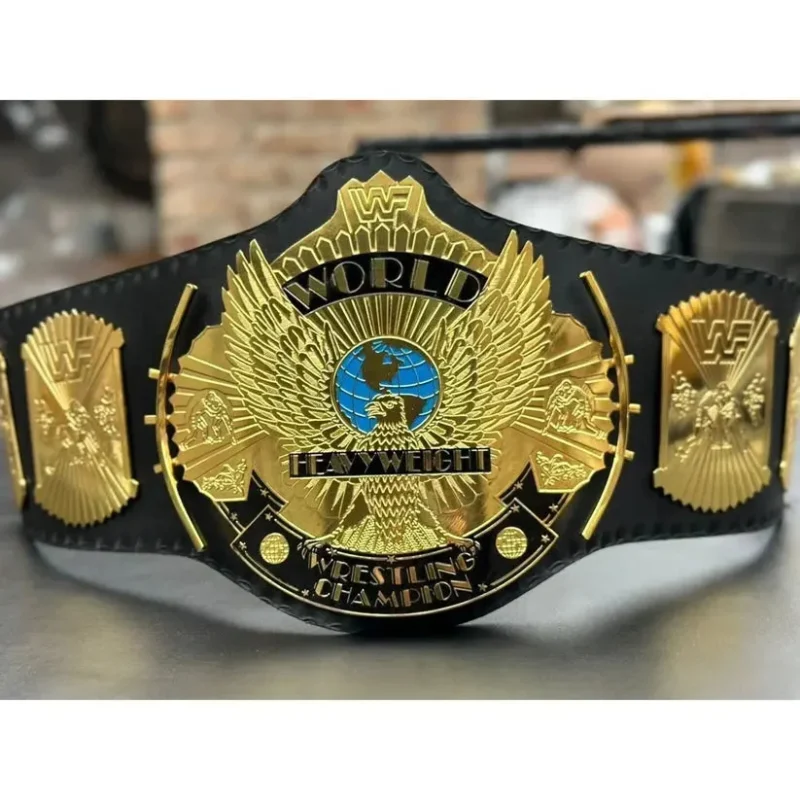
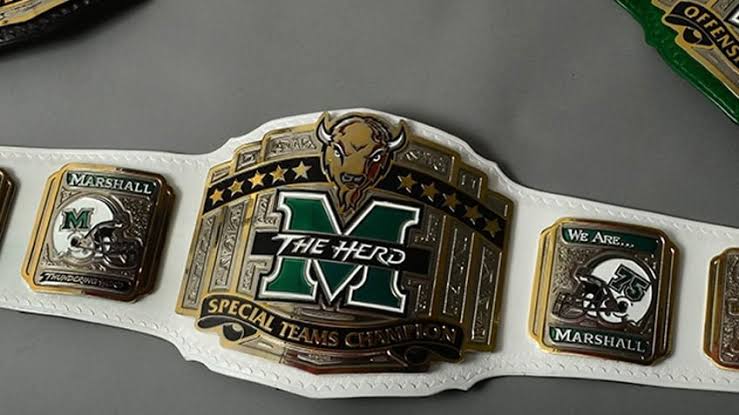
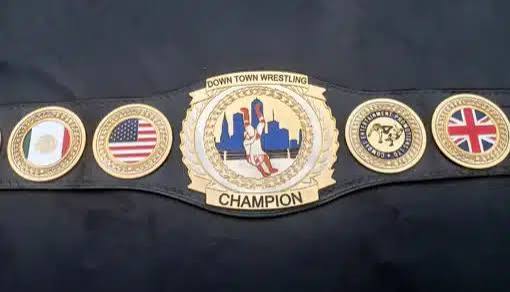
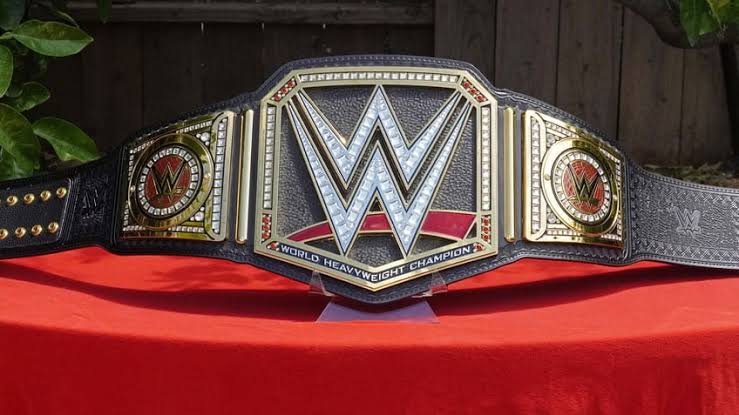
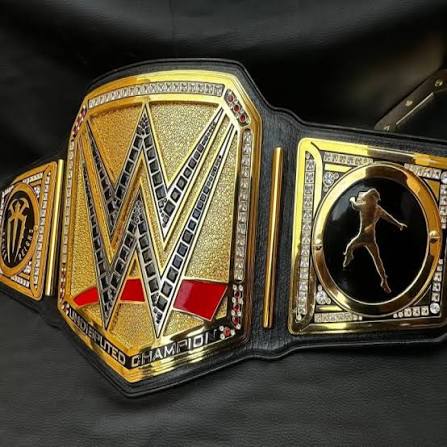
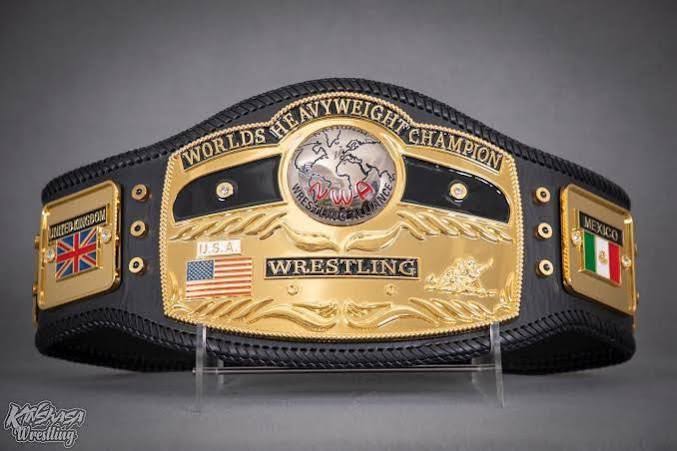
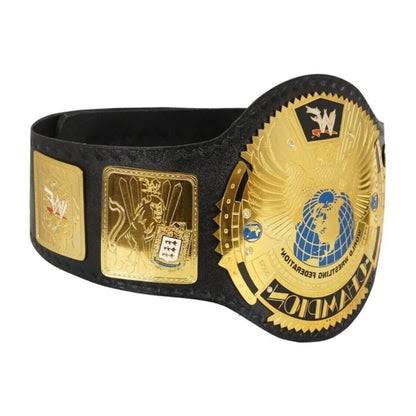
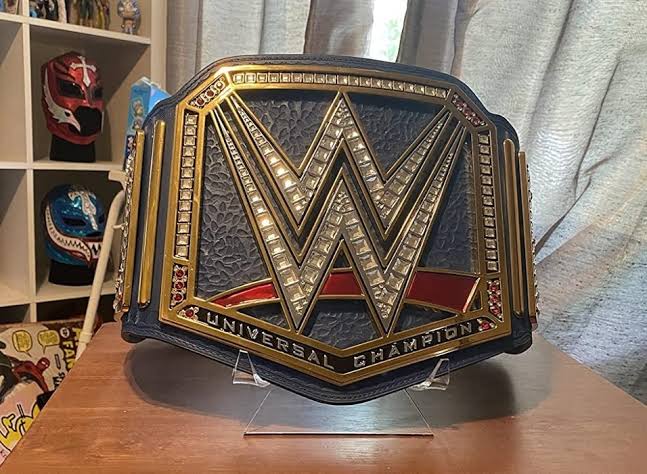
Championship belts may be made with elaborate metal plates, fancy finishes, leather or synthetic straps. These materials can be subject to dust, moisture, scratches, and unnecessary pressure if they are not stored properly. The location should be appropriate to preserve all segments of the belt, so the collectors should take a suitable location. When designs can be stored well, it makes it easier to organize multiple designs and access them when needed. If you have just one… or many, there are some simple methods to keeping each belt looking and feeling its best.
Common Storage Problems
There are some storage errors many collectors make that in the long run impact championship belts. Never put straps in direct sunlight; excessive moisture may ruin leather and metal surfaces. Items that are heavy in nature can develop permanent folds or scratches when placed on top. Loose storage can also lead to rubbing against storage near the plates. To prevent these to happen, choose a clean and dry area, and allow sufficient space for each belt. With a bit of preparation, there won’t be any unnecessary damage and maintenance in the future will be less.
Choosing Wrestling Belt Storage
Keep the storage area clear, dry and out of direct sunlight. A bedroom cabinet, a shelf or an organized display room will do. Do not use damp basements, hot attics or near heaters, as temperatures can cause an impact on belt materials. Avoid direct strong sunlight on the collection, as this can cause the plants to grow too quickly. Prior to laying your belts anywhere look for sharp objects, spills, and other possible hazards in the surrounding area.
Maintaining Stable Conditions
It can help preserve championship belts for the long-term through stable environmental conditions. Leather straps can be damaged by over-humidification and some metal surfaces may rust. Bone dry conditions can also cause leather to become stiff. Store collections in a room where the temperature and humidity are not too high or low. Do not store belts close to bathrooms, kitchens or places where temperatures fluctuate often. Regularly inspect storage space and periodically clean dust or moisture removal as needed. Regular maintenance keeps the materials and overall look intact.
Protective Storage Accessories
Padded storage bags are a convenient option for keeping championship belts safe when they’re not on display. Soft interiors will minimize scratches; appropriate padding will provide additional protection when moving the unit. Select a bag that is large enough for the center plate and side plates. Avoid putting the strap into a “straight” position as pressure may create unnecessary folds. Look for quality stitching, fastening, and fabric prior to buying. A good fitting bag makes storage and transport more convenient.
Choosing Protective Cases
Collectors who require extra security and organized storage can opt for protective cases. Soft interiors will prevent surface scratches, and hard cases will prevent accidental bumps to belts. The case sizes and shapes vary from one championship to another, so you must measure the belt before you choose a case. Select a case that is deep enough to accommodate the plates and wide enough for the strap. Store in a stable place and do not place heavy objects on top of the case.
Organizing Multiple Belts
As the number of items grows, it is important to have an organizational system for the growing collection. Sort belts by wrestling promotions, eras of the championships, colors and/or favorite belts. This is a way to locate particular designs without having to move all of the items. Have different groups on separate shelves or storage areas. Leave sufficient clearance between belts to avoid belt-to-belt contact of plate and straps. An organized arrangement will also make it easier to examine the collection and to spot items which require cleaning or maintenance.
Labeling Storage Sections
An easy-to-manage collection can be made easier with simple labels. Have distinct names for different promotions, championship categories or buying periods. It is also possible to keep a digital list that contains the name of each belt, its date of purchase, the material which it is made from and the place where it is stored. This record will keep you from opening all the bags and cases and help you know what you have or not. Ensure that labels do not come into contact with the belt surfaces because they can cause marks on the belt. Standard labelling facilitates good organization and saves time.
Protecting Leather And Plates
Long-term storage of leather straps should be carefully supported. Do not make sharp folds, tight bends, heavy pressure as it can cause bends or weak areas. Hang the strap naturally in a loose way that fits the shape of the strap. If you are using a storage bag, opt for one that will let the belt fit properly. Avoid direct heat and dampness on leather. These are simple measures that help to keep the body moving and to minimize additional wear.
Preventing Plate Scratches
Metals plates may be scratched by rubbing with hard surfaces or other objects. When the design permits, put a soft, clean protective layer between overhanging sections. Carefully handle the center plate and do not drag the belt on shelves. Avoid putting sharp tools, keys, or other metal objects in your collection. A belt should never be laid straight on top of another belt without adequate protection. Gentle handling maintains the decorative features and attractive finishes.
Cleaning Before Storage
Thoroughly clean a championship belt prior to long-term storage. Use the microfiber soft cloth to de-dust the plates and applicable strap surfaces. Use light pressure (don’t use rough materials that can scratch the finish). If deeper cleaning of the belt is necessary use the manufacturer’s care instructions for that specific belt material. Avoid heavy household chemicals and lots of water. When the belt is cleaned on a clean surface, dirt can be prevented from accumulating and the belt will be ready for the next display.
Checking Belt Condition
When storing a belt for a long time, check it before use. Check for loose stitches, frayed edges, scratches, corrosion or changes in the texture of the strap. Inspect the plates for defects, but do not pull or bend the plates. If you find a problem, correct it using appropriate treatment methods and re-store the belt. At the same time, make a brief record of any pre-existing harms in case of changes in the future. The frequent inspections allow collectors to preserve their pieces and prevent their overlooking issues.
Tips For Long-Term Storage
Championship belts, even with protection in collector bags or cases, can be damaged by excessive pressure. Do not place boxes, books or other heavy items over stored items. Allow sufficient space for each belt to remain in its natural form. When using shelves, make sure they are sturdy and stable first, and then put a collection on them. Ensure storage areas are neat, so that you can access one belt without shifting multiple belts. Accidental pressure is minimized and access is safer in the future, by careful placement.
Checking Belts Regularly
Never leave your collection in the same condition for several years. Check the conditions, straps and plates on storage bags and cases periodically. Check for dust, wetness, abnormal odors, and material differences. If the belt needs cleaning, do so gently, and put it back in the protective space. It also allows you to see if there is any loose hardware or developing damage early by making regular checks. These are all things that can be accomplished with a simple inspection routine that will help preserve your collection and keep each championship belt in great condition.
Final Thoughts On Belt Storage
Dust, moisture, scratches and pressure are prevented by good storage practices for championship belts. Select a comfortable spot, cushion bags or protectors, and secure leather straps properly so as to avoid sharp folds. Create several designs using labels and check the items regularly. Gently clean belts before extended periods of storage; follow care instructions for each material. When you properly store your wrestling belts, your collection will look better and your favourite championship designs will be ready and waiting for you to display whenever you wish.