Blog
Boxing Belt Maintenance

Understanding Championship Belt Care
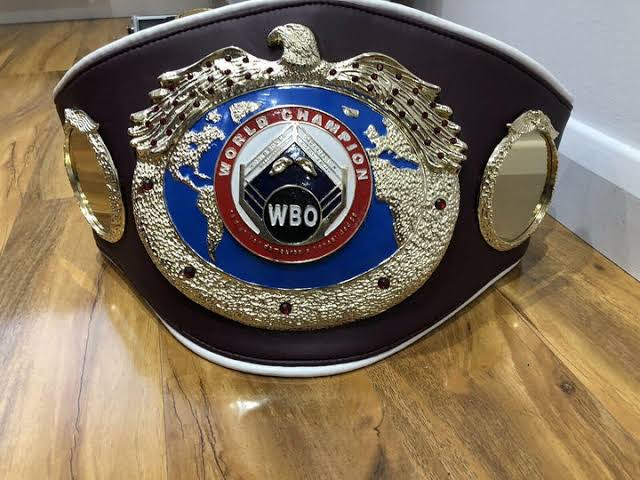
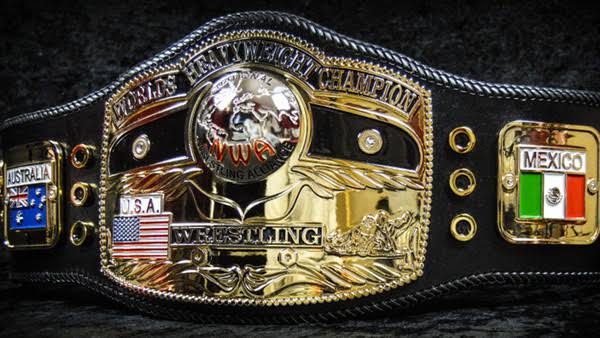
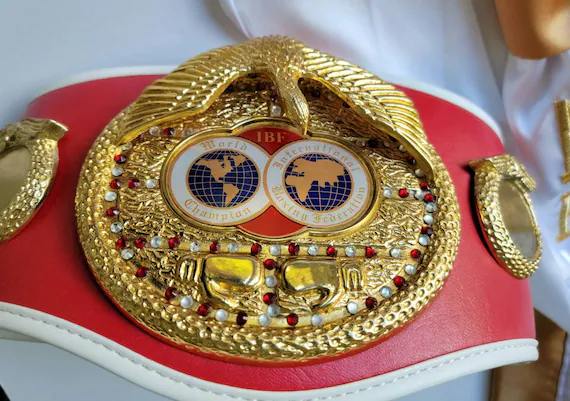
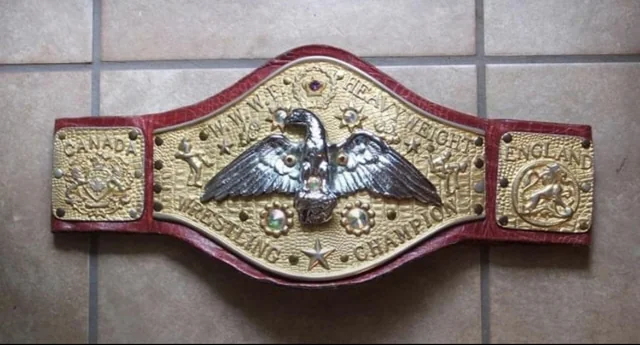
Personal value, sporting memories and fancy decoration are all common attributes of championship belts. They’re stored and retrieved for years by collectors and boxed in by boxing clubs and event organizers for special occasions. Regular care ensures that they remain in their best appearance, avoiding unnecessary damage. Materials used for metal plates and metal straps can be vulnerable to the effects of dust, moisture, rough handling and poor storage. These important features can be protected by a simple maintenance routine and will keep your belt looking handsome. Regular attention also helps to minimize costly repairs or replacement.
Identifying Belt Materials
When cleaning a championship belt, first check what materials it is constructed from and what these materials are. There are many designs that include metal plates, synthetic leather, leather, stitching, and decorative. A different cleaning technique is required for each material due to the fact that each could damage another surface. As far as possible, consult the manufacturer’s maintenance advice. Also check the belt for loose decorations, scratches, stains or damaged edges. Knowing what materials it has will assist in selecting safe products and in avoiding cleaning techniques that could compromise its integrity.
Establishing A Care Routine
There’s no need for fancy equipment or costly products for a regular care routine. Do take an extra few minutes to clean the dust, check the condition of the plates and examine the condition of the strap. Those collectors that hang their belts up should check them more often as open shelves collect dust. Belts that are kept in cabinets will also require periodic maintenance. Have a soft microfiber cloth, a clean storage space and appropriate supplies within easy reach. Regular service allows maintenance to be easier and enables you to identify any minor issues before they escalate.
Cleaning Boxing Championship Belts
Engraved patterns, edges of plates and strap stitching can attract dust. To clean the belt, use a clean, soft microfiber cloth to gently wipe. Walk gently and slowly across the metal plates and do not press raised details too hard. Beware of using a soft brush to remove dust in narrow decorative areas, but select one with soft bristles. Do not use rough cloth or cleaning pads. Regular dust removal helps to maintain a neat appearance of the belt and prevents scratching on the surface during subsequent cleaning.
Cleaning Metal Plates
Fingerprints, smudges, and light surface marks tend to accumulate on metal plates. Begin using a dry microfiber cloth, and gently wipe down each plate. If it’s allowed by manufacturer’s directions, slightly moisten the cloth with clean water and gently clean up marks that are difficult to remove. Quickly dry the surface with another soft cloth. Household cleaners, strong chemicals and rough polishing compounds can be harmful to decorative coatings. Read and follow the instructions on an approved cleaning product; test it first on a small hidden area before treating the whole plate.
Caring For Leather Straps
Leather straps require gentle care, as rough products will dry, stain and damage the leather surface. Use soft dry cloth to remove loose dust first before tackling any marks. Use a leather cleaner or conditioner that matches manufacturer’s recommendations for leather that is suitable for genuine leather. Do not soak the strap or excessive moisture. With proper care, the flexibility, texture and appearance are maintained, and cracks are prevented.
Protecting Metal Plate Finishes
Metal plates can be scratched by keys, tools, jewelry or rough surfaces. Keep your belt away from objects that may rub against its decorative areas. When cleaning, position it on a soft towel so as to avoid any chance of it hitting hard furniture. Grasp the strap, do not grasp the raised artwork. When moving the belt, ensure that it fits in a padded case or is wrapped in protective material. These small measures contribute towards maintaining the original finish and decoration.
Handling Tarnish Carefully
Over time some metallic finishes may dull or discolor. Not all dark marks, though, are damage, particularly if the design features antique elements. Do not use aggressive polishing as it can cause the protective coating to remove, or alter the desired appearance. Review manufacturer’s care recommendations prior to use of metal cleaners. If the belt has valuable plating or complicated artwork on it, you should seek expert advice. The soft application is more secure than testing household polishing products.
Avoiding Harsh Chemicals
Some strong cleaning chemicals may have an impact on metal finishes, leather, adhesives and decorative colors. Unwanted changes can be caused by products like bleach, ammonia-based cleaners and abrasive sprays. Do not use various cleaning products or a new product on the belt. Carefully read the label and choose materials for the surface. If you can’t be sure of the safety of a product, use a dry microfiber cloth. The right choice of products ensures that the belt will not suffer chemical damage and unnecessary restoration.
Maintaining Belt Strap Quality
Leather straps may become less flexible when exposed to extreme heat, dryness or improper cleaning solutions. Store belt out of direct sun or heaters, in a stable indoor area. Avoid making sharp folds as this may result in creases in the strap and may cause permanent damage. If the manufacturer recommends conditioners for the leather, use a suitable leather conditioner only as recommended. Follow the instructions and use sparingly. These practices keep the strap’s texture intact and minimize the chances of cracking with use.
Protecting Synthetic Materials
Synthetic straps can behave differently than actual leather, and as a result require different treatment. Avoid using a hard cloth, as this can cause scratching. Do not use strong solvents, alcohol-based products or excessive moisture unless specified otherwise by the manufacturer. Avoid placing the belt near sharp surfaces that could cause scratching and tearing. Perform regular edge and stitch checks on the items. Synthetic materials stay looking great and in good shape longer when they’re cleaned gently and stored sensibly.
Checking Stitching Quality
Stitching holds various parts of straps together and provides the strength to hold the belt together. Inspect the edges, seams and attachment areas frequently for loose threads or small openings. Do not pull broken threads as this can aggravate the problem. If you see severe wear, contact a repair shop that is familiar with leather or synthetic. It is important to attend to a minor stitching problem early so that it doesn’t escalate. Examining the belt carefully also can help you spot problems before you wear and transport the belt.
Safe Storing And Displaying
Selecting An Appropriate Site
The best place to store a championship belt is in a clean, dry place with stable indoor temperatures. Stay away from damp basements, leaking walls, bathrooms and direct sunlight. Moisture can cause corrosion of metal components and influence strap materials. Colors and in some cases some surfaces can fade in strong sunlight. A bedroom cabinet, protected shelf or area made for displaying the cabinet can provide a better environment. Occasionally check the location to make sure that the changing conditions in the room would not pose a threat to your collection.
Maintaining Protective Cases
The right storage case can prevent dust and accidental contact and minimize handling of your belt. The belt should not be bent too sharply; select a case that is large enough to accommodate the full shape of the belt. Additional support around the metal plates with soft interior padding. Avoid placing heavy objects on top of the case. When storing multiple belts, allow room between them to avoid scratches. Keeping your collection organized and easily accessed will be made easier with proper storage.
Maintaining Display Conditions
Periodic attention is required for display arrangements as they are open to dust and room conditions. Do not use over- or under-sized, over-weight supports. Look for loose screws or weak points at wall mounts, shelves and brackets. Avoid the belt from direct sunlight in windows. Use a clean tool to clean the surrounding display area, but do not spray products near the belt. Stable setup is good for both presentation and can prevent accidental falls or damage to surfaces.
Common Maintenance Mistakes
Too much water can cause damage to leather, stitching, adhesives and some decorative finishes. A championship belt is never soaked or rinsed with running water. Even a damp cloth requires care, particularly around seams and edges of plates. If moisture gets into the strap, carefully blot with a dry, clean cloth, and let it air dry. Avoid direct heat and hair-dryers. It is protected from moisture-related issues and its materials through controlled cleaning.
Applying Incorrect Products
The same household furniture cleaner that works well on home furniture will harm a championship belt. There are different products for different surfaces; some finishes do not need any chemical treatment. Follow manufacturer instructions before applying leather conditioners, metal polish or protective sprays. Don’t use toothpaste, kitchen cleaners or strong household solutions to experiment. If you don’t know the information, reach out to a seller or a qualified repairer. Using the appropriate supplies will help maintain the original appearance and construction of the belt.
Ignoring Small Damage
Scratches, loose threads and slight discoloration might seem insignificant at first. But, some issues can become magnified over time when they’re neglected. Check your belt for wear during regular belt cleaning, looking for wear on the belt edges, belt plate fittings and decorative belt sections. If it changes, take pictures and compare it with a later date. If the belt’s structure is damaged, get professional assistance. Repairs can be easier made if done early and more damage can be avoided.
Final Thoughts On Belt Maintenance
Proper boxing belt care can help maintain metal plates, strap materials, decorative elements and its association with a championship. Clean each surface gently, do not use harsh chemical and ensure that the belt is stored away from sunlight and moisture. Frequent checks can also spot small issues as they arise. Regardless of whether it’s a single replica or a massive collection, a consistent maintenance regimen ensures that your belts look good and are ready to go for display, special occasions, or for later use.